Most real estate agents associate QR codes with open house sign-in sheets, but the truth is that QR codes in real estate marketing have far more potential than just greeting visitors at the door. From yard signs and direct mail to digital business cards and listing presentations, QR codes can streamline your workflow, capture more leads, and create memorable client experiences at every stage of the transaction. In this guide, we will explore dozens of creative, practical ways to put QR codes to work across your entire marketing strategy.
Why QR Codes Are Thriving in Real Estate Marketing
QR codes experienced a massive resurgence during the pandemic, and their momentum has only accelerated since. According to Statista, QR code usage in the United States has grown steadily year over year, with over 89 million smartphone users scanning a QR code at least once in 2022. For real estate professionals, that widespread consumer comfort with QR technology represents a golden opportunity.
There are several reasons QR codes have become essential tools for agents and brokers:
- Instant access: Buyers and sellers can reach your content in a single scan, no typing required.
- Trackability: Dynamic QR codes let you monitor scan counts, locations, and times to measure campaign effectiveness.
- Versatility: A single QR code can link to a video tour, a landing page, a contact card, a document, or virtually any digital asset.
- Cost efficiency: Generating and printing QR codes costs almost nothing compared to the leads they can produce.
- Professionalism: QR codes signal to clients that you are a tech-savvy, modern agent who values convenience.
The real power of QR codes in real estate, though, comes when you move beyond the obvious open house application and start embedding them throughout your entire marketing ecosystem. Let us walk through the most impactful strategies.
QR Codes on Yard Signs and Print Materials
Your yard sign is often the very first touchpoint a potential buyer has with your listing. Adding a QR code transforms a passive “For Sale” sign into an interactive lead generation tool that works 24 hours a day, 7 days a week.
How to Use QR Codes on Yard Signs
Instead of simply linking to your brokerage website, consider having your yard sign QR code direct scanners to a dedicated single-property landing page that includes:
- A photo gallery or virtual tour
- Key property details (beds, baths, square footage, price)
- A lead capture form requesting the scanner’s name, email, and phone number
- Links to your social media profiles
- A scheduling tool so prospects can book a private showing on the spot
Beyond the Yard Sign
QR codes work equally well on other printed materials. Consider adding them to:
- Flyers and brochures: Link to a virtual walkthrough video instead of cramming every detail onto paper.
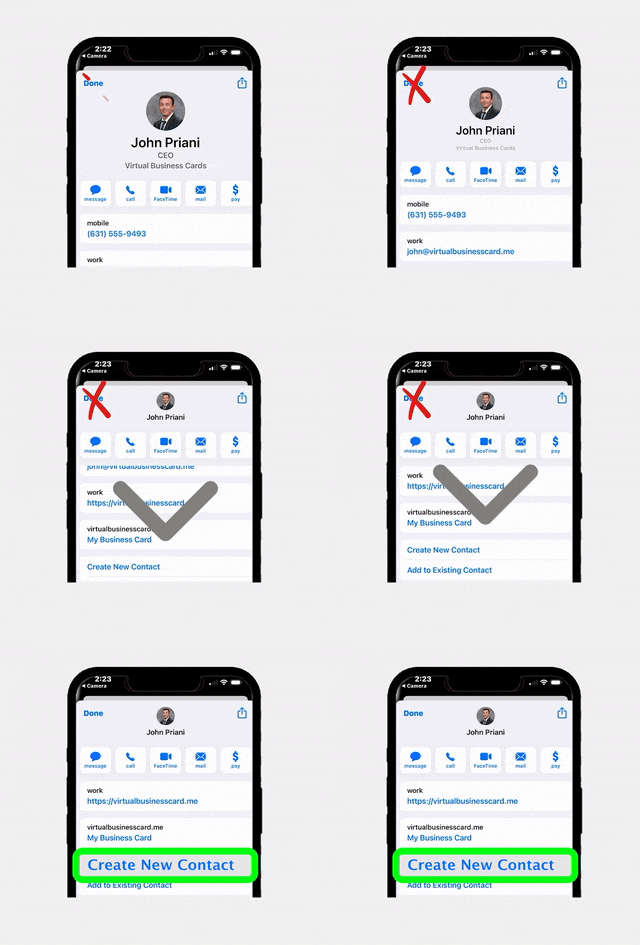
- Business cards: A QR code that saves your full contact information directly to a phone’s address book removes friction from the follow-up process.
- Magazine and newspaper ads: Print ads come alive when readers can scan a code and instantly view a listing or read client testimonials.
- Postcards: Whether you are farming a neighborhood or sending just-sold announcements, a QR code adds an interactive layer to a traditional medium.
The common thread here is simple: every printed asset you already create can become a two-way communication channel the moment you add a QR code.
Supercharging Direct Mail with QR Codes
Direct mail remains one of the most effective marketing channels for real estate agents, especially for geographic farming and sphere-of-influence campaigns. The National Association of Realtors consistently reports that direct mail outperforms many digital channels for local brand awareness. The challenge, however, is measuring ROI and converting a physical mailer into a digital lead. QR codes solve both problems.
Strategies for QR Codes in Direct Mail
- Market update landing pages: Include a QR code that links to a personalized market report for the recipient’s neighborhood. This positions you as a local expert and gives the homeowner a reason to scan.
- Home valuation tools: Link the QR code to an instant home valuation page. Homeowners are naturally curious about what their property is worth, making this one of the highest-converting lead magnets available.
- Video introductions: New to a farm area? Include a QR code that plays a short video introducing yourself, your track record, and your commitment to the neighborhood.
- Testimonial reels: Let past clients do the selling. Link to a page featuring video or written testimonials from happy buyers and sellers.
- Event invitations: Hosting a client appreciation event, a first-time buyer seminar, or a community cleanup? A QR code can link directly to an RSVP page.
By pairing traditional direct mail with QR code tracking, you bridge the gap between offline marketing and online analytics, giving you concrete data to optimize future campaigns.
Digital Business Cards and Networking
Paper business cards are easy to lose, hard to update, and increasingly viewed as wasteful. Digital business cards powered by QR codes solve every one of those problems, and they are becoming the standard at real estate conferences, broker events, and client meetings.
How Digital Business Cards Work
A digital business card is essentially a mobile-optimized web page that contains all your contact information, social media links, headshot, and any other details you want to share. When someone scans the QR code on your card, phone case, or name badge, they instantly see your digital card and can save your contact info with a single tap.
Platforms like RealConnect by RLTRsync are designed specifically for real estate professionals, ensuring your digital business card includes the fields and branding elements that matter most in this industry. Unlike generic digital card services, a real estate-focused solution understands the importance of including your license number, brokerage affiliation, service areas, and active listings.
Where to Display Your Digital Business Card QR Code
- Name badges at conferences and networking events: Skip the fumbling with paper cards and let attendees scan your badge.
- Email signatures: Embed a small QR code image so every email you send includes an easy way for recipients to save your info.
- Social media profiles: Pin your QR code to the top of your Instagram or Facebook page.
- Car magnets and vehicle wraps: Turn your car into a mobile lead capture device.
- Presentation slides: When giving a listing presentation or buyer consultation, end with a slide featuring your QR code so prospects can instantly connect.
Enhancing Listing Presentations and Buyer Packets
Winning a listing or securing a buyer representation agreement often comes down to how polished and professional your presentation feels. QR codes can elevate your materials and create an interactive experience that sets you apart from the competition.
For Listing Presentations
Include QR codes within your printed or digital listing presentation that link to:
- Your marketing plan in action: A video walk-through of how you market a listing, from professional photography to social media campaigns.
- Case studies: Link to a page showing before-and-after results for similar properties you have sold.
- Client testimonials: Nothing builds trust like hearing from past clients. A QR code that opens a testimonial video reel is far more compelling than a printed quote.
- Your offer management process: Show sellers exactly how you will handle incoming offers. Tools like RLTRsync’s Offer Management platform give you a streamlined system to present, compare, and manage offers, and linking to a demo or explainer video reassures sellers that their transaction will be handled with precision.
For Buyer Packets
Buyer packets often include a lot of paper. QR codes let you slim down the physical packet while still providing comprehensive information:
- Link to a neighborhood guide with restaurant recommendations, school ratings, and commute times.
- Provide a QR code for each comparable property that opens a detailed listing page or virtual tour.
- Include a code that links to a mortgage calculator or a preferred lender’s pre-approval page.
The key is to use QR codes to supplement, not replace, your in-person expertise. They should enhance the conversation and make it easier for clients to revisit important information after the meeting.
QR Codes for Transaction Management and Compliance
QR codes are not just marketing tools. They can also streamline the operational side of your business, particularly when it comes to document management and regulatory compliance.
Document Access and Signing
During a transaction, clients often need to access disclosures, inspection reports, or contract amendments on the go. Instead of emailing large PDF attachments, generate a QR code that links to a secure document portal. Clients can scan and access what they need from any device.
Open House Compliance and Beyond
Many states require agents to collect visitor information or present specific disclosures at open houses. Platforms like EntryPointPro use QR codes to digitize the sign-in process, capture leads, and automatically handle compliance documents. But the same concept can extend beyond the open house itself:
- Property showings: Place a QR code at the property entrance that links to a disclosure acknowledgment form. This creates a digital record that the buyer received required disclosures before viewing the home.
- Office walk-ins: Post a QR code in your brokerage lobby that links to a visitor registration form, capturing contact information for potential leads who stop by.
- Closing gifts: Include a QR code on your closing gift card that links to a feedback survey or a referral request page.
Creative QR Code Placements Most Agents Miss
Once you start thinking creatively, you will realize there are QR code opportunities hiding in plain sight throughout your daily routine. Here are some placements that most agents overlook:
Community Involvement
- Sponsored event signage: If you sponsor a local 5K, school event, or charity fundraiser, add a QR code to the banner that links to your website or a community resource page.
- Local business partnerships: Partner with a coffee shop or restaurant to display a QR code on their counter. The code could link to a neighborhood market report or a “featured listing of the week” page.
Social Media and Digital Channels
- Instagram and Facebook stories: Share your QR code in stories to drive followers to a new listing, an open house RSVP page, or your latest blog post.
- YouTube video descriptions: Include a QR code image in your video thumbnail or as an end screen element.
- Webinar and Zoom presentations: Display a QR code during virtual events so attendees can access resources without needing a link in the chat.
Personal Branding
- Phone case or pop socket: Attach a small QR code sticker to the back of your phone. Every time you pull out your phone in a public setting, it is a passive networking opportunity.
- Wearable tech: Some agents are embedding QR codes on custom watch bands, lapel pins, or even branded apparel.
- Email footers and out-of-office replies: Automatically offer a way for anyone who emails you to access your listings, schedule a call, or download a buyer or seller guide.
Best Practices for Real Estate QR Code Success
Implementing QR codes is straightforward, but doing it well requires attention to detail. Follow these best practices to maximize your results:
1. Always Use Dynamic QR Codes
Static QR codes link to a fixed URL that can never change. Dynamic QR codes let you update the destination at any time without reprinting the code. They also provide scan analytics. For real estate marketing, dynamic codes are always the better choice because listings come and go, and your marketing needs change frequently.
2. Test Before You Print
Always test your QR code on multiple devices and in different lighting conditions before committing to a print run. Ensure the code scans quickly from a reasonable distance, especially for yard signs and banners where people may be scanning from several feet away.
3. Include a Clear Call to Action
Never place a QR code without telling people what they will get when they scan it. Phrases like “Scan to see inside,” “Scan for a free home valuation,” or “Scan to save my contact info” dramatically improve scan rates compared to a bare QR code with no context.
4. Optimize the Landing Page for Mobile
QR codes are scanned with smartphones, so the destination must be mobile-friendly. Ensure fast load times, large tap targets, and a clean layout. A QR code that leads to a non-responsive desktop website will frustrate users and cost you leads.
5. Track and Iterate
Use a QR code platform that provides analytics. Monitor which placements generate the most scans, then double down on what works. If your yard sign QR code is getting 50 scans per week but your direct mail code is only getting two, it tells you where to focus your energy and budget.
6. Maintain Brand Consistency
Your QR code is a reflection of your brand. Use consistent colors, include your logo when possible, and make sure the landing page matches the look and feel of the rest of your marketing materials. A cohesive experience builds trust and professionalism.
Frequently Asked Questions
Are QR codes still effective in real estate marketing?
Absolutely. QR code usage has grown every year since 2020, and consumer familiarity with scanning codes is at an all-time high. For real estate agents, QR codes provide a frictionless way to connect offline marketing materials with digital content, making them one of the most cost-effective tools available. The key is to pair every QR code with a compelling call to action and a mobile-optimized destination.
What is the difference between a static and dynamic QR code?
A static QR code encodes a fixed URL directly into the code pattern. Once generated, it cannot be changed. A dynamic QR code routes through a short URL that can be redirected to any destination at any time. Dynamic codes also offer analytics such as scan count, location, and device type. For real estate professionals who frequently update listings and campaigns, dynamic QR codes are strongly recommended.
How do I create a QR code for my real estate business?
You can create QR codes using free or paid generators available online. For basic needs, free tools work fine. For professional use with tracking and branding, consider a paid platform that supports dynamic codes, custom designs, and analytics dashboards. Additionally, platforms like RealConnect and EntryPointPro have QR code functionality built directly into their real estate-specific workflows.
Can QR codes help me capture leads outside of open houses?
Yes, and that is one of their greatest strengths. QR codes on yard signs, direct mail, business cards, event sponsorship banners, and even your vehicle can all serve as lead capture tools. The key is to link each QR code to a landing page with a form or contact-saving feature so that every scan has the potential to become a new lead in your database.
What should my QR code link to?
The best destination depends on the context. Yard sign QR codes should link to a single-property page with photos and a lead form. Direct mail QR codes might link to a home valuation tool or market report. Business card QR codes should save your contact info or open your digital business card. The universal rule is to make the destination valuable, relevant, and mobile-friendly.
Ready to Put QR Codes to Work Across Your Business?
From digital open house sign-ins with EntryPointPro to QR-powered digital business cards with RealConnect, RLTRsync gives real estate professionals the tools to capture more leads and streamline every client interaction.





 Icon On The Top Right Is the Menu For Your Card. This Is Where You can edit your card and log into your dashboard.