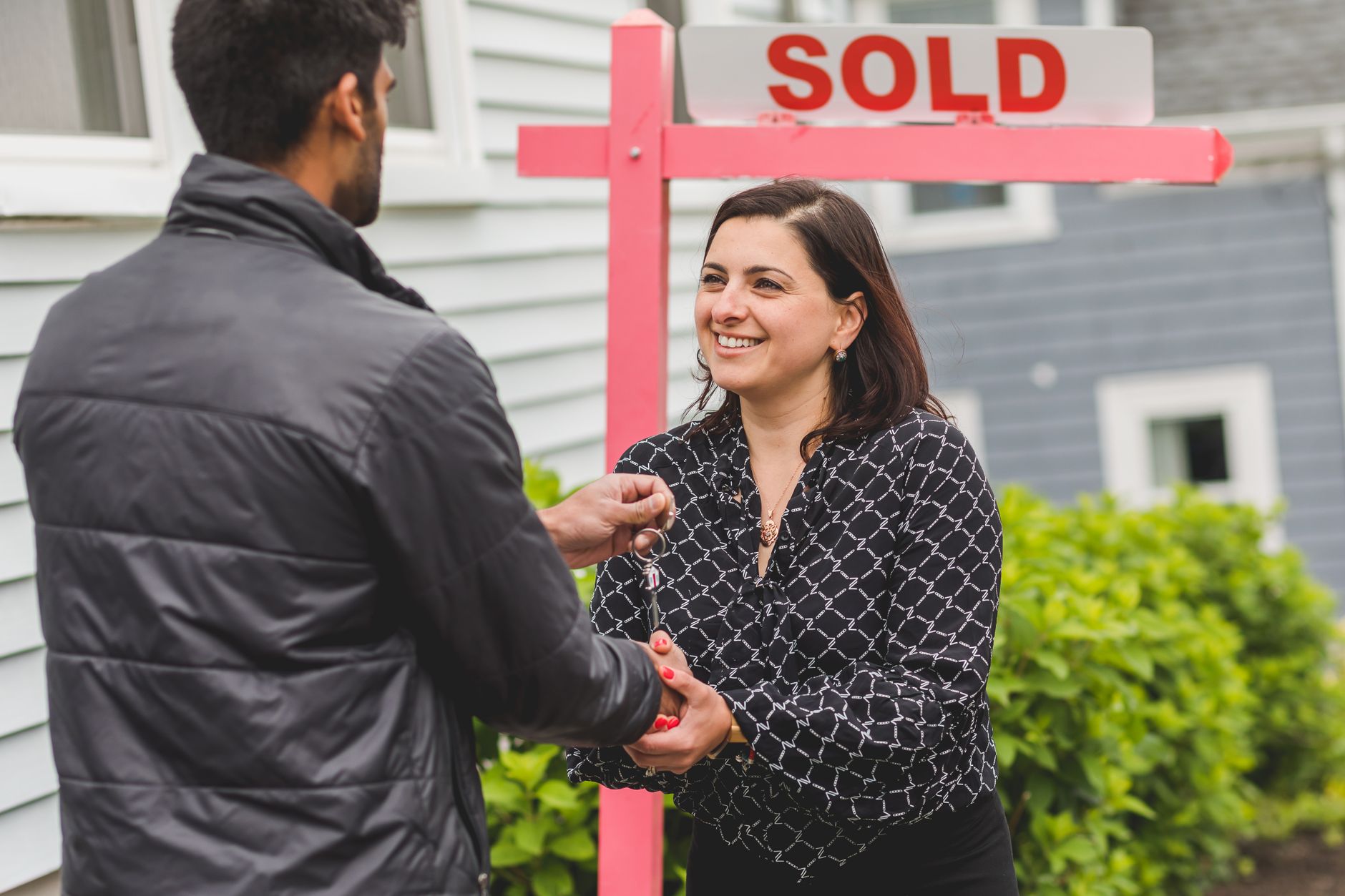
Even the most experienced real estate agents fall victim to common open house mistakes that quietly drain their pipeline of valuable leads. You spend hours preparing, marketing, and hosting your open houses, but if you are making one or more of these critical errors, you could be losing dozens of potential buyers and sellers every single month. The good news is that each of these mistakes has a clear, actionable fix that can transform your open house from a casual walkthrough into a powerful lead generation machine.
Mistake 1: Relying on Paper Sign-In Sheets
If you are still placing a clipboard and pen at your front door, you are practically guaranteeing lost leads. Paper sign-in sheets are one of the most widespread open house mistakes in the industry, and yet agents continue to use them week after week. The problems with paper are numerous and well documented.
First, visitors routinely write illegible contact information. A smudged phone number or a scrawled email address is essentially a dead lead. According to the National Association of Realtors, 4% of buyers found their home through an open house or yard sign, which means every single contact matters. You cannot afford to lose even one because of bad handwriting.
Second, paper sign-in sheets create a privacy concern for visitors. Many people are uncomfortable writing their personal information on a sheet where every subsequent visitor can see it. This discomfort causes some guests to skip the sign-in altogether or, worse, provide fake details just to get through the door.
Third, paper sheets require manual data entry after the event. That means more time spent on admin work, more opportunities for transcription errors, and a significant delay before you can begin any follow-up outreach.
Digital sign-in also creates a more professional first impression. When visitors see a modern, tech-forward check-in experience, they immediately perceive you as a serious, organized agent who values their time and privacy.
Mistake 2: Slow or Nonexistent Follow-Up
You hosted a fantastic open house. Thirty people walked through the door. You collected their information and felt great about the turnout. Then Monday morning hits, and you get buried in other tasks. By the time you reach out to those visitors, it has been three, four, or even five days. At that point, they have already forgotten your name and moved on to another agent.
Speed of follow-up is one of the single most important factors in lead conversion. Research from Inman News consistently shows that agents who respond within the first five minutes of receiving a lead are significantly more likely to make meaningful contact than those who wait even 30 minutes. For open house leads, the window is a bit wider, but the principle holds. The faster you follow up, the better your odds.
Many agents fall into the trap of waiting until they have a “perfect” message to send. They want to craft a beautifully personalized email with the right property suggestions and a polished call to action. While personalization is important, speed is more important. A quick, friendly text message sent the evening of the open house will outperform a beautifully designed email sent three days later almost every time.
What a Great Follow-Up Sequence Looks Like
- Same day (within 2 hours): Send a brief thank-you text or email. Mention the property address so they remember which open house you hosted.
- Day 2: Send a slightly longer email with additional property details, neighborhood information, or a link to similar listings.
- Day 4-5: Make a phone call. Reference their visit and ask if they have any questions about the property or the buying process.
- Day 7-10: Add them to your regular nurture sequence with market updates and new listing alerts.
Mistake 3: Poor Presentation and Staging
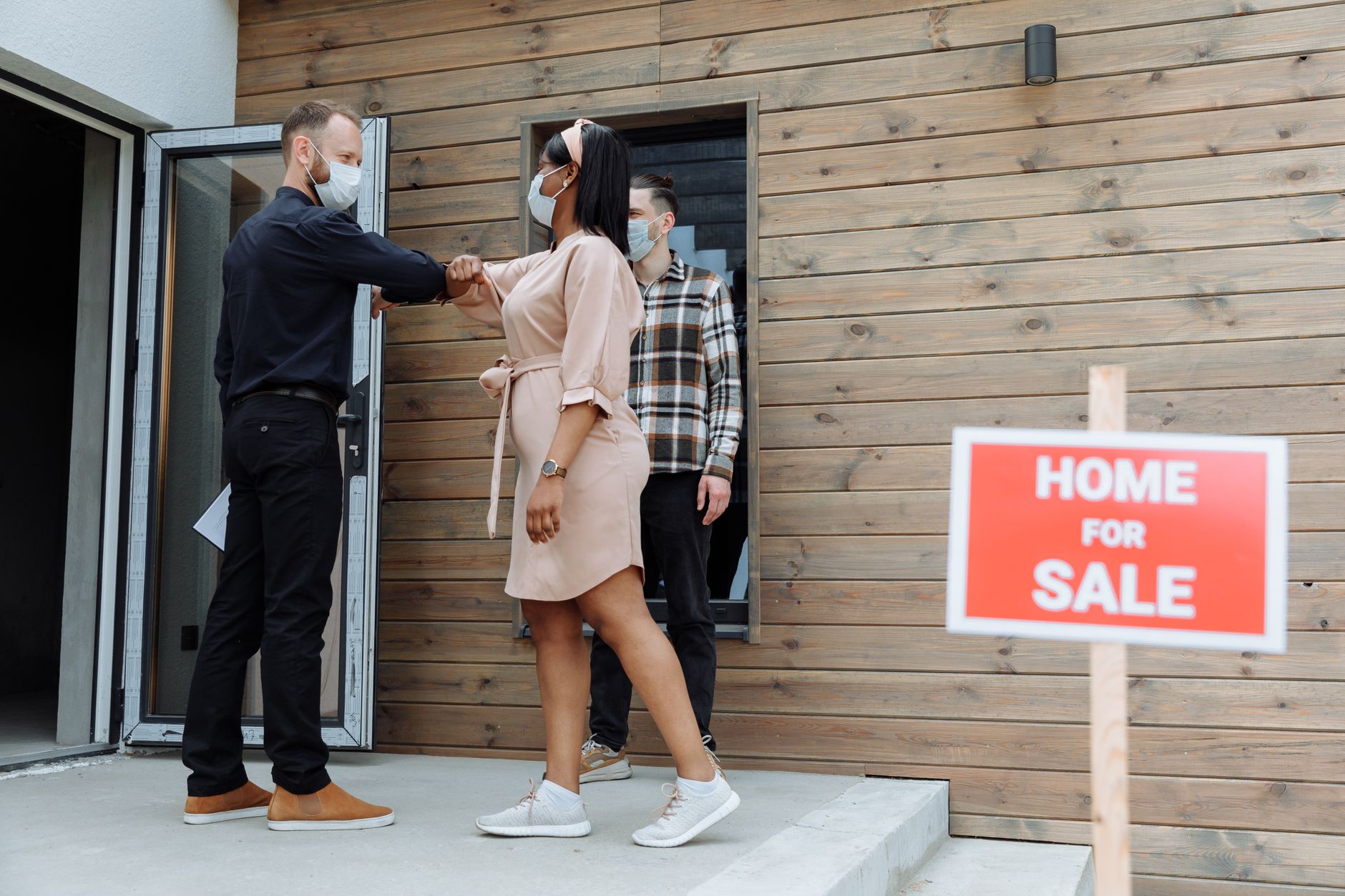
This might seem like an obvious one, but poor presentation remains one of the most damaging open house mistakes agents make. And it goes far beyond whether the home is clean. Presentation encompasses everything from curb appeal and staging to the materials you have on hand and the experience you create for visitors.
Start with the exterior. The first thing visitors see is the front of the home, and first impressions are formed in seconds. Make sure the lawn is mowed, the walkway is clear, and your open house signage is professional and easy to read. If the home has a porch, add a seasonal wreath or a welcoming mat. These small touches signal that the property is cared for and worth their attention.
Inside the home, staging plays a critical role. According to the NAR’s Profile of Home Staging report, 81% of buyers’ agents said staging made it easier for a buyer to visualize the property as a future home. If full staging is not in the budget, focus on decluttering, depersonalizing, and ensuring every room has a clear purpose.
Presentation Details That Matter
- Lighting: Open all blinds and turn on every light in the home. Dark rooms feel smaller and less inviting.
- Temperature: Set the thermostat to a comfortable temperature before guests arrive. A home that is too hot or too cold will cut visits short.
- Scent: Avoid heavy air fresheners. A lightly scented candle or fresh flowers create a more authentic welcoming atmosphere.
- Printed materials: Have professional property flyers, neighborhood guides, and your business card available at multiple stations throughout the home.
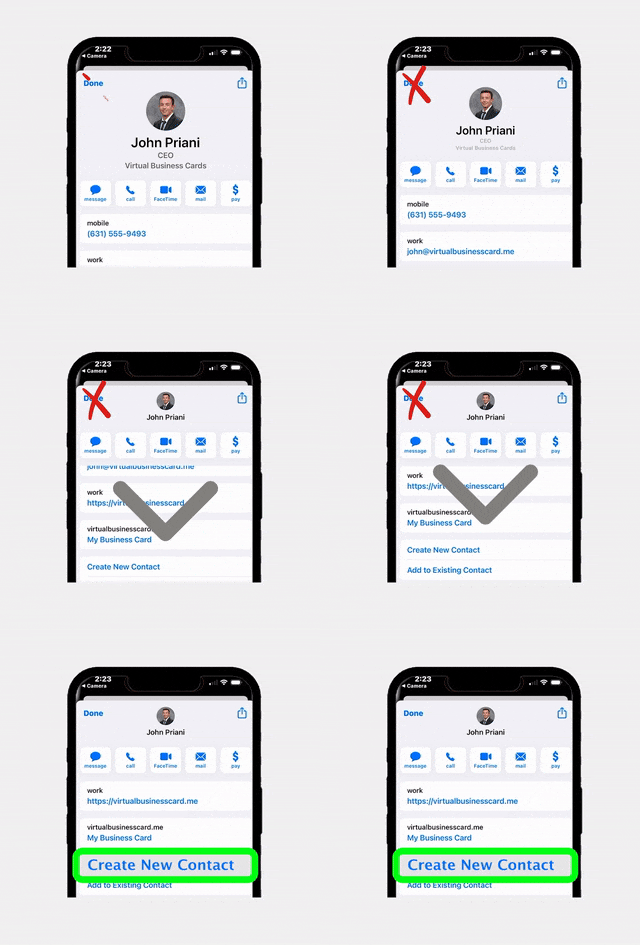
- Digital touchpoints: Consider using a digital business card from RealConnect so visitors can save your contact information to their phone with a single tap instead of losing a paper card.
Mistake 4: Neglecting Compliance and Documentation
Real estate is a heavily regulated industry, and open houses are no exception. Many agents focus so heavily on the marketing and hospitality side of open houses that they overlook critical compliance requirements. This is one of those open house mistakes that can have serious legal and financial consequences.
Depending on your state and brokerage, you may be required to have visitors acknowledge certain disclosures, sign agency agreements, or confirm that they are not currently represented by another agent. Failing to document these interactions properly can expose you to liability and create complications down the road if a visitor later becomes a buyer.
Fair housing compliance is another area that demands careful attention. Every visitor must be treated equally, regardless of race, color, national origin, religion, sex, familial status, or disability. This applies to the information you share, the way you describe the neighborhood, and the questions you ask during casual conversation. The U.S. Department of Housing and Urban Development provides detailed guidance on fair housing obligations that every agent should review regularly.
On the documentation side, digital sign-in platforms offer a significant advantage over paper. With EntryPointPro, you can include required disclosures and acknowledgments directly in the sign-in flow. Visitors review and accept these documents as part of their check-in, creating a timestamped digital record that protects both you and your brokerage. This automated compliance management eliminates the risk of forgetting to present important documents during a busy open house.
Mistake 5: Failing to Leverage Technology
The final mistake on our list is perhaps the most consequential in today’s market. Real estate technology has evolved dramatically in recent years, yet many agents continue to run their open houses the same way they did a decade ago. If you are not leveraging modern tools, you are leaving leads and efficiency on the table.
Technology should be integrated into every phase of your open house workflow, from pre-event marketing to day-of operations to post-event follow-up. Here is how the smartest agents are using tech to gain a competitive edge.
Before the Open House
Use social media advertising, email marketing, and your MLS to drive targeted traffic to your open house. Create a dedicated landing page or event listing with the property details, photos, and the date and time. Some agents even use countdown timers and RSVP forms to build anticipation and gauge expected attendance.
During the Open House
Replace your paper sign-in with a QR code-based digital check-in system. Offer virtual tour access for visitors who want to revisit the property later. Use a tablet or screen to showcase comparable sales data, neighborhood statistics, and mortgage calculators. All of these tools position you as a knowledgeable, tech-savvy professional.
After the Open House
This is where technology delivers its biggest return. Automated follow-up sequences, CRM integration, and lead scoring allow you to prioritize your hottest prospects and nurture the rest without spending hours on manual outreach. When your sign-in data flows directly from a platform like EntryPointPro into your follow-up workflow, you eliminate the gap between lead capture and first contact.
Agents who also handle the offer side of transactions can benefit from streamlined digital workflows. An offer management system ensures that when your open house leads are ready to make an offer, the process is smooth, transparent, and efficient for everyone involved.
Building a Better Open House Strategy
Now that you know the five most common mistakes, let us put it all together into a cohesive strategy that maximizes every open house you host. The key is creating a repeatable system that ensures nothing falls through the cracks.
Start by building a pre-open house checklist that covers marketing, staging, compliance documents, and technology setup. Run through this checklist at least 48 hours before every event so you have time to address any gaps.
On the day of the event, arrive at least 30 minutes early to set up your digital sign-in station, turn on all the lights, adjust the temperature, and place your printed materials. Greet every visitor warmly, give them space to explore, and be available to answer questions without hovering.
After the event, trigger your follow-up sequence immediately. Review your visitor data, identify any hot prospects, and prioritize personal outreach to those individuals. Add everyone else to your nurture sequence so they continue to receive valuable content from you over the coming weeks and months.
The Compound Effect of Consistency
One well-executed open house might generate five or ten solid leads. But when you host well-executed open houses consistently, week after week, those leads compound. Your database grows, your referral network expands, and your reputation as a professional, tech-savvy agent spreads through the community. Over the course of a year, eliminating these five open house mistakes could mean the difference between a handful of closings and a thriving, referral-driven business.
Measuring Your Open House Success
You cannot improve what you do not measure. Too many agents host open houses without tracking any meaningful metrics, which makes it impossible to know what is working and what needs adjustment.
Here are the key metrics every agent should track for each open house:
- Total visitors: How many people walked through the door? Track this number over time to see how your marketing efforts affect attendance.
- Lead capture rate: What percentage of visitors provided their contact information? If this number is low, your sign-in process may be creating too much friction.
- Follow-up response rate: How many leads responded to your initial outreach? This tells you whether your messaging and timing are effective.
- Conversion rate: How many open house leads became active clients or resulted in a transaction? This is your ultimate measure of success.
- Cost per lead: Factor in your marketing spend, staging costs, and time investment to determine the true cost of each lead generated.
Digital tools make tracking these metrics much easier. When your sign-in data is captured electronically, you automatically have an accurate visitor count and complete contact information. From there, you can track response rates and conversions through your CRM.
Frequently Asked Questions
What are the biggest open house mistakes new agents make?
The most common open house mistakes for new agents include relying on paper sign-in sheets, failing to follow up quickly, and not having a clear system for organizing and nurturing leads after the event. New agents also tend to underestimate the importance of staging and presentation, which can significantly impact how visitors perceive both the property and the agent.
How quickly should I follow up after an open house?
You should aim to make initial contact within two hours of the open house ending, or even sooner if possible. A simple thank-you text or email sent the same day is far more effective than a detailed message sent several days later. Speed signals professionalism and keeps you top of mind while the visit is still fresh in the prospect’s memory.
Is a digital sign-in system really better than a paper sheet?
Yes, digital sign-in systems are significantly more effective than paper sheets. They capture accurate, legible contact information every time, protect visitor privacy, enable instant follow-up, and can include compliance documents as part of the check-in flow. Platforms like EntryPointPro also create a more professional impression that reflects well on your brand.
How many open houses should I host per month to generate consistent leads?
The ideal frequency depends on your market and schedule, but most successful agents aim for at least two to four open houses per month. Consistency is more important than volume. Hosting regular open houses builds your database steadily over time and establishes you as an active, visible agent in your community.
What compliance documents should I have at my open house?
Requirements vary by state and brokerage, but common documents include agency disclosure forms, property condition disclosures, lead paint disclosures for homes built before 1978, and visitor acknowledgment forms. Check with your brokerage and state real estate commission for specific requirements in your area.
Stop Losing Leads at Your Next Open House
EntryPointPro gives you digital QR code sign-in, automated compliance documents, and instant lead capture so you can focus on connecting with visitors instead of chasing down illegible contact info.




 Icon On The Top Right Is the Menu For Your Card. This Is Where You can edit your card and log into your dashboard.