Driving strong open house attendance is one of the most effective ways to generate buzz around a listing, attract qualified buyers, and ultimately close deals faster. Yet many agents leave attendance to chance, relying solely on an MLS listing and a yard sign. The truth is that maximizing turnout requires a strategic approach that starts well before the front door opens. In this guide, you will learn exactly how to prepare your listings, market your events, and leverage modern technology to pack your next open house with motivated buyers.
Why Open House Attendance Still Matters
In an era of virtual tours and 3D walkthroughs, some agents question whether open houses are still relevant. The data tells a different story. According to the National Association of Realtors’ Profile of Home Buyers and Sellers, a significant percentage of buyers still visit open houses during their home search, and many cite them as a valuable information source.
Open houses serve multiple purposes beyond simply showcasing a property. They create a sense of urgency when multiple buyers walk through at the same time, generate word-of-mouth exposure in the neighborhood, and allow agents to capture leads from unrepresented buyers. A well-attended open house can also reassure sellers that their agent is proactive and committed, strengthening the listing relationship.
The challenge is not whether open houses work. The challenge is getting enough of the right people through the door. That is why focusing on open house attendance from the very beginning of your listing strategy is essential.
Preparing the Property to Impress
Before you spend a single dollar on marketing, make sure the property itself is ready to wow visitors. A beautifully marketed open house that leads to a disappointing in-person experience will hurt your credibility and waste your efforts.
Pre-Listing Repairs and Maintenance
Walk through the property with a critical eye and address any obvious issues. Dripping faucets, squeaky doors, chipped paint, and broken light fixtures send the message that the home has not been well maintained. Small repairs can cost very little but dramatically change a buyer’s first impression.
- Test all light switches, outlets, and fixtures
- Fix leaky faucets and running toilets
- Touch up scuffed walls and baseboards
- Replace burned-out bulbs with consistent, warm-toned lighting
- Ensure all doors and windows open and close smoothly
Deep Cleaning
A standard cleaning is not enough for an open house. Invest in professional deep cleaning that covers windows inside and out, grout lines, carpet shampooing, and appliance interiors. Buyers open refrigerators, peek inside closets, and inspect bathrooms closely. Every surface matters.
Curb Appeal and Staging Strategies
The property’s exterior is the first thing visitors see, and it sets the tone for the entire experience. Studies from the NAR Remodeling Impact Report consistently show that exterior improvements deliver some of the highest returns on investment.
Boosting Curb Appeal
- Mow and edge the lawn, trim hedges, and add fresh mulch to garden beds
- Power wash the driveway, walkways, and siding
- Paint or stain the front door in a welcoming color
- Add potted plants or seasonal flowers near the entryway
- Ensure the house number is clearly visible and the mailbox is in good condition
Interior Staging That Sells
Professional staging can increase the perceived value of a home and help it sell faster. If a full staging is not in the budget, focus on the rooms that matter most: the living room, kitchen, and primary bedroom. Use neutral colors, remove excess furniture to make rooms feel larger, and add small lifestyle touches like fresh flowers, a bowl of fruit, or neatly folded towels in bathrooms.
Remember that staging is not just about aesthetics. It is about helping buyers experience a lifestyle. Set the dining table for a dinner party. Place a book and a coffee mug on the reading nook. These small details create an emotional connection that photographs alone cannot achieve.
Marketing Strategies That Fill the Room
Even the most beautiful listing will not draw a crowd if no one knows about the event. A multi-channel marketing strategy is the engine behind strong open house attendance.
MLS and Listing Syndication
Start by scheduling the open house in your MLS well in advance. Most syndication partners, including Zillow, Realtor.com, and Redfin, pull open house data directly from the MLS. Entering the information early ensures it appears across all major consumer search portals where buyers are actively looking.
Social Media Promotion
Social media is one of the most cost-effective ways to promote an open house. Create a series of posts leading up to the event rather than a single announcement. Consider this timeline:
- One week before: Share a teaser video or photo carousel highlighting the property’s best features
- Three to four days before: Post a detailed announcement with date, time, address, and a compelling reason to attend
- Day before: Share an Instagram or Facebook Story with a countdown sticker or a behind-the-scenes staging clip
- Day of: Go live from the property during setup or the first few minutes of the event
Boost your posts with targeted Facebook and Instagram ads focused on your listing’s ZIP code and surrounding areas. Even a modest budget of twenty to fifty dollars can reach thousands of local buyers.
Email Marketing
Send a dedicated email blast to your database, including past clients, active buyers, and other agents. Segment your list so you can customize messaging. Buyer clients should receive information about the property’s features and pricing, while agent contacts should receive details about commission cooperation and showing instructions.
Community Outreach
Do not overlook offline marketing. Door-knock or distribute flyers to the immediate neighborhood. Neighbors are often your best marketers because they may know someone who wants to move into the area. Place directional signs at key intersections to capture drive-by traffic on the day of the event.
Leveraging Technology for a Seamless Experience
Technology has transformed how agents run open houses, making it easier to capture leads, stay compliant, and create a professional experience that impresses visitors.
Digital Sign-In and Lead Capture
Paper sign-in sheets are unreliable. Visitors write illegible names, skip phone numbers, or provide fake email addresses. A digital sign-in system solves all of these problems. EntryPointPro offers a QR code check-in experience that lets visitors sign in from their own phones. This captures accurate contact information, automates document processing, and ensures compliance with brokerage and state requirements.
Digital sign-in also creates a more modern, tech-savvy impression. Buyers and sellers alike notice when an agent uses professional tools, and it reinforces confidence in your ability to handle the transaction smoothly.
Digital Business Cards
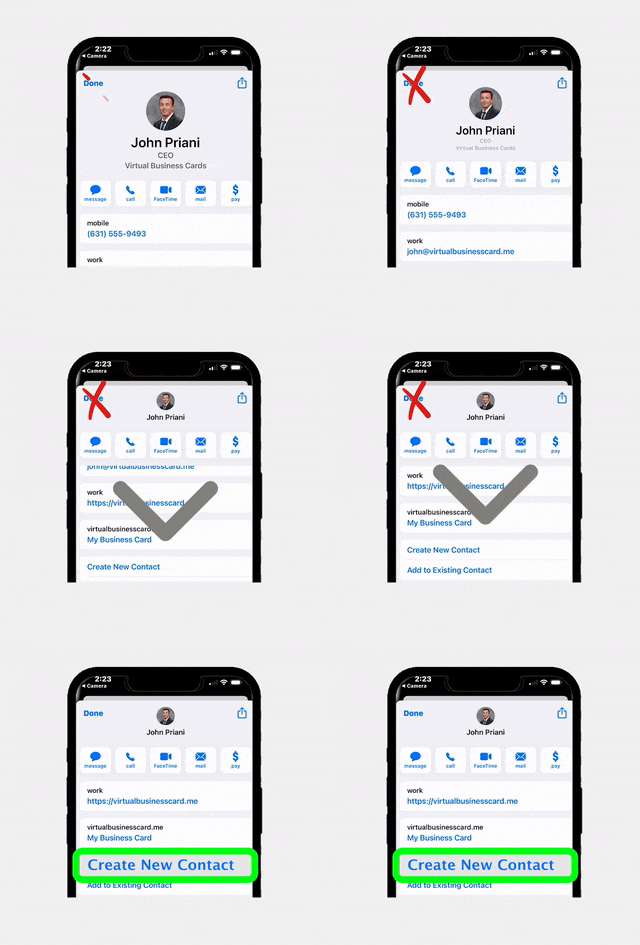
Instead of handing out paper business cards that end up in the trash, consider using RealConnect digital business cards. These allow you to share your contact information, social media profiles, and active listings with a single tap or scan. It is a memorable touchpoint that keeps you connected with open house visitors long after they leave.
Virtual Enhancements
Complement your in-person event with virtual options. A pre-recorded video tour shared on your listing page lets out-of-town buyers participate. You can also use live streaming on social media to extend the reach of your open house to people who cannot attend in person but may schedule a private showing later.
Timing and Scheduling for Peak Turnout
When you hold your open house matters just as much as how you market it. Choosing the wrong time can cut your open house attendance in half, regardless of how great the property looks.
Best Days and Times
Saturday and Sunday afternoons remain the most popular times for open houses in most markets. A window of 1:00 PM to 4:00 PM tends to work well because it avoids conflicts with morning activities and gives families enough time to visit multiple homes. However, local market norms vary, so check what is standard in your area.
For luxury properties or homes targeting working professionals, consider a weekday twilight open house from 5:00 PM to 7:00 PM. The evening light can showcase a home beautifully, and it accommodates buyers who cannot attend weekend events.
Avoiding Scheduling Conflicts
Check local event calendars before finalizing your date. Major sporting events, community festivals, holiday weekends, and school functions can all divert your target audience. Similarly, avoid scheduling your open house at the same time as several other open houses in the immediate area unless you are in a neighborhood where buyers typically tour multiple homes in one trip.
Duration and Frequency
A single two-to-three-hour window is standard, but consider holding the home open on both Saturday and Sunday during the first weekend on market. This doubles your exposure and accommodates different schedules. If the property has not sold after the first weekend, hold another open house two weeks later with refreshed marketing and, if possible, a price adjustment or new staging element to create renewed interest.
Day-Of Execution and Guest Management
The day of the open house is your time to shine. Every detail matters, from the moment visitors pull up to the curb to the moment they walk out the door.
Setting the Scene
- Arrive at least 45 minutes early to open windows for fresh air, adjust thermostats, and turn on all lights
- Place directional signs at nearby intersections and at the end of the street
- Set up a welcome station near the entrance with your digital sign-in system, property brochures, and your contact information
- Play soft background music at a low volume to create a welcoming atmosphere
- Consider light refreshments such as bottled water, cookies, or seasonal treats
Greeting and Engaging Visitors
First impressions extend beyond the property. Greet every visitor warmly, introduce yourself, and ask them to sign in using your digital check-in tool. Briefly highlight two or three standout features of the home, then let them explore at their own pace. Avoid following visitors from room to room, as this makes most people uncomfortable. Instead, position yourself in a central location where you are available for questions.
Pay attention to body language. If a visitor lingers in a particular room or returns to a specific area, that signals genuine interest. Use that as an opening for a conversation about what they are looking for in a home.
Managing Compliance and Documentation
Many states and brokerages require specific disclosures, agency notices, or sign-in procedures at open houses. Failing to comply can result in fines or legal complications. Using a platform like EntryPointPro helps you automate compliance documents so that every visitor receives and acknowledges the required disclosures before they even step inside. This protects you, your brokerage, and your sellers.
Post-Open House Follow-Up and Lead Conversion
The open house itself is just the beginning. The real value is in what happens afterward. Without a structured follow-up process, the leads you capture will go cold within days.
Same-Day Follow-Up
Send a personalized email or text message to every attendee within a few hours of the event. Thank them for visiting, include a link to the full listing details, and ask if they have any questions or would like to schedule a private showing. Speed matters here. According to Inman News, leads contacted within the first hour are significantly more likely to convert than those contacted the next day.
Segmenting Your Leads
Not every open house visitor is at the same stage of the buying process. Categorize your leads into three groups:
- Hot leads: Visitors who asked detailed questions, discussed financing, or expressed strong interest in the property. Follow up with a phone call and offer to set up a private showing or discuss next steps.
- Warm leads: Visitors who seemed interested but are still early in their search. Add them to a drip email campaign that shares new listings, market updates, and helpful content.
- Neighbors and lookers: People who attended out of curiosity. While they may not be buyers now, they could become sellers or referral sources. Keep them in your database and nurture the relationship over time.
Reporting Back to Your Sellers
After every open house, provide your sellers with a detailed recap. Share the number of visitors, general feedback, and any offers or strong interest that resulted from the event. This communication reinforces your value as their listing agent and keeps the relationship strong, especially during longer listing periods.
If you received consistent feedback about pricing, condition, or competing properties, share that information diplomatically. Open house visitor feedback can be a powerful catalyst for necessary price adjustments or property improvements.
Using Offer Management Tools
When open house attendance is strong and multiple buyers express interest, having a streamlined system for managing incoming offers is critical. The RLTRsync Offer Management platform helps agents organize, compare, and present offers efficiently, reducing the risk of errors and ensuring that your sellers can make informed decisions quickly.
Frequently Asked Questions
How far in advance should I start marketing an open house?
Ideally, begin promoting your open house at least seven to ten days before the event. This gives you time to run a multi-touch marketing campaign across social media, email, MLS syndication, and neighborhood outreach. Last-minute announcements typically result in lower open house attendance.
What is the best way to capture leads at an open house?
Digital sign-in tools like EntryPointPro are the most reliable way to capture accurate contact information. They eliminate illegible handwriting, reduce fake entries, and can automate compliance documents. Visitors simply scan a QR code and complete the sign-in from their own phone.
Should I hold an open house on the first weekend a property is listed?
Yes. The first weekend on market typically generates the most interest and urgency. Buyers who have been actively searching are eager to see new listings, and holding an open house during this window capitalizes on that momentum. Consider hosting events on both Saturday and Sunday for maximum exposure.
How do I increase open house attendance in a slow market?
In a slower market, you need to work harder to create excitement. Invest in professional photography and video, run targeted social media ads, partner with local businesses for refreshments or giveaways, and consider hosting a themed event such as a wine-and-cheese evening or a neighborhood block party style open house. The goal is to give people a reason to attend beyond just seeing the property.
Are virtual open houses a good alternative to in-person events?
Virtual open houses are a valuable supplement but generally should not replace in-person events. They are excellent for reaching out-of-town buyers, providing a preview for people who may attend a future in-person showing, and extending the reach of your marketing. Use them alongside traditional open houses for the best results.
Ready to Elevate Your Open House Game?
From digital sign-in and compliance automation to offer management and digital business cards, RLTRsync gives you everything you need to run professional, high-attendance open houses that convert visitors into clients.


 Icon On The Top Right Is the Menu For Your Card. This Is Where You can edit your card and log into your dashboard.