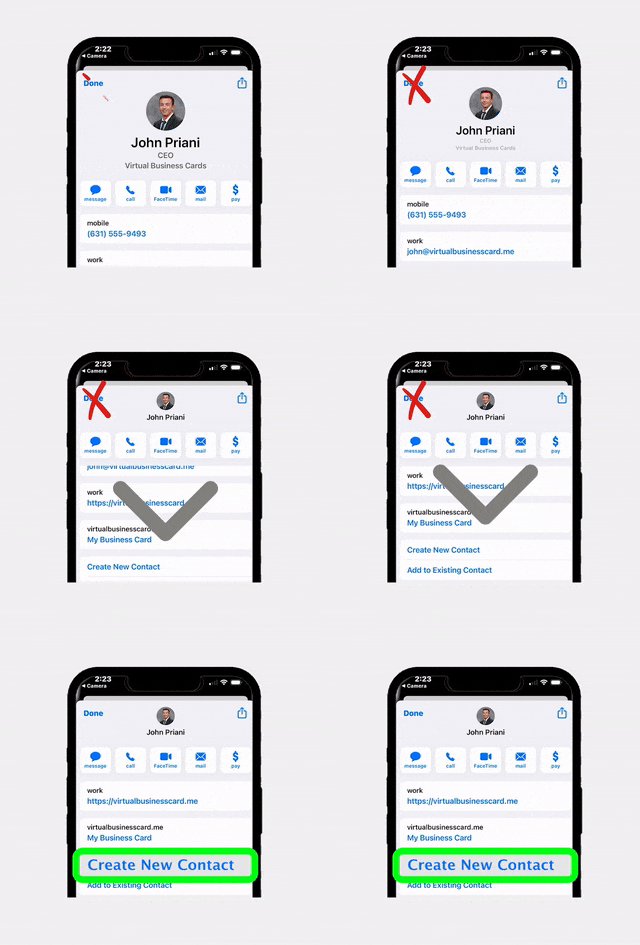
When it comes to selling a home, not all open houses serve the same purpose. Broker open houses and public open houses are two fundamentally different events with distinct audiences, strategies, and goals. Understanding the differences between these two approaches, and knowing when to deploy each one, can significantly impact how quickly a property sells, the quality of offers received, and the professional relationships you build along the way. Whether you are a new agent learning the ropes or a seasoned listing specialist looking to refine your approach, mastering both types of open houses is essential for success in today’s competitive real estate market.
What Is a Broker Open House?
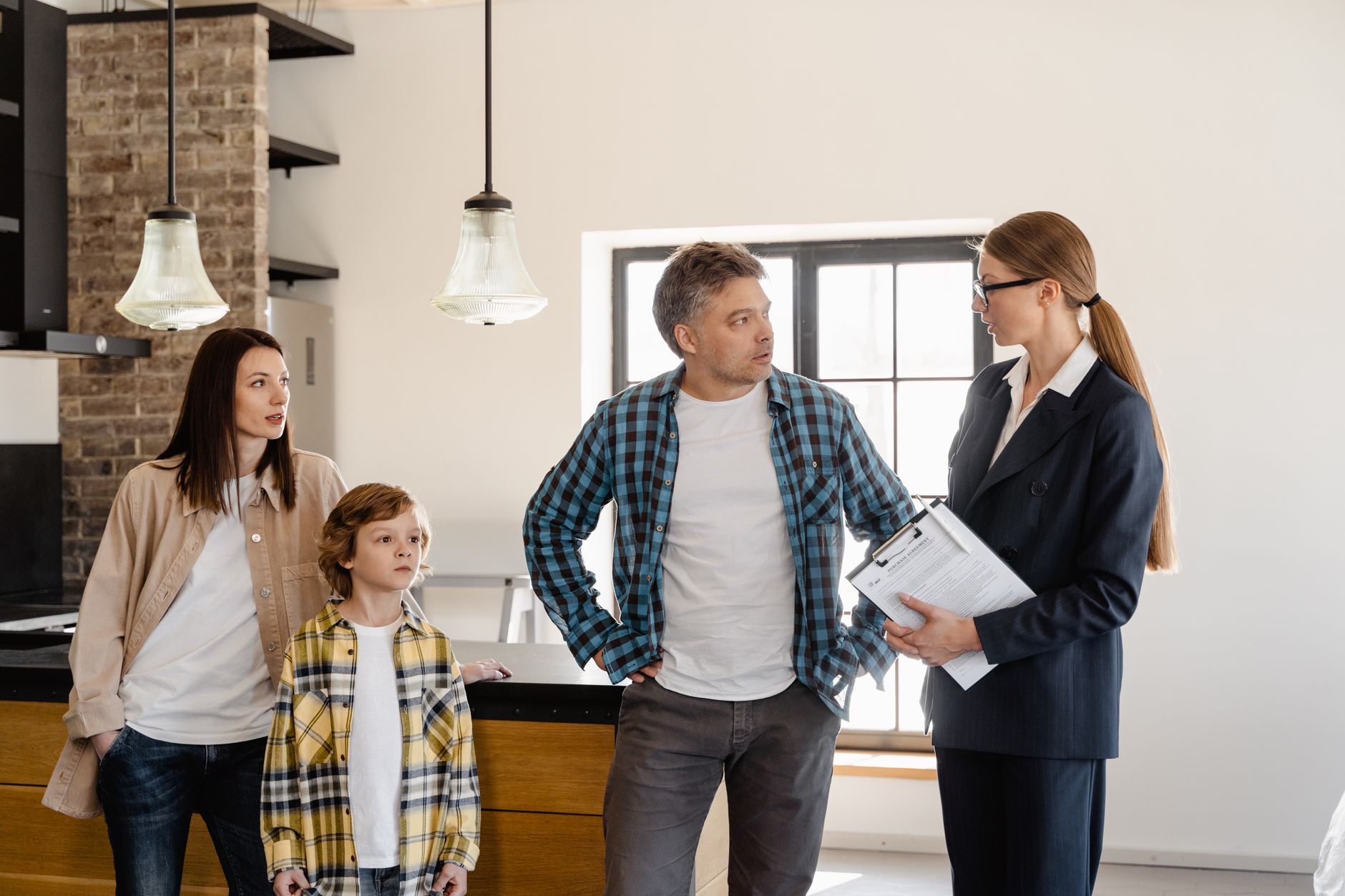
A broker open house, sometimes called a brokers’ caravan or agents’ open, is an event held exclusively for real estate professionals. Rather than inviting the general public to tour a listing, the listing agent opens the property to fellow agents, brokers, and sometimes other industry professionals like lenders and appraisers.
The primary purpose of a broker open house is to generate buzz within the real estate community. When agents from your market walk through a property firsthand, they gain a much deeper understanding of the home’s features, layout, and condition than they could ever get from photos or virtual tours alone. This firsthand experience makes them far more likely to recommend the property to their qualified buyers.
Broker open houses are typically held during weekday mornings or early afternoons, often on Tuesdays or Wednesdays, when agents are less likely to have buyer appointments. Many offices and local boards even coordinate regular caravan schedules so agents can tour multiple new listings in a single day.
Common Features of Broker Open Houses
- Light refreshments or catered lunch to encourage agents to stay and discuss the property
- Feature sheets with detailed property information, comparable sales data, and pricing rationale
- Feedback forms so the listing agent can gather honest professional opinions
- Networking opportunities with other agents in the area
- Sometimes raffle prizes or incentive gifts to boost attendance
What Is a Public Open House?
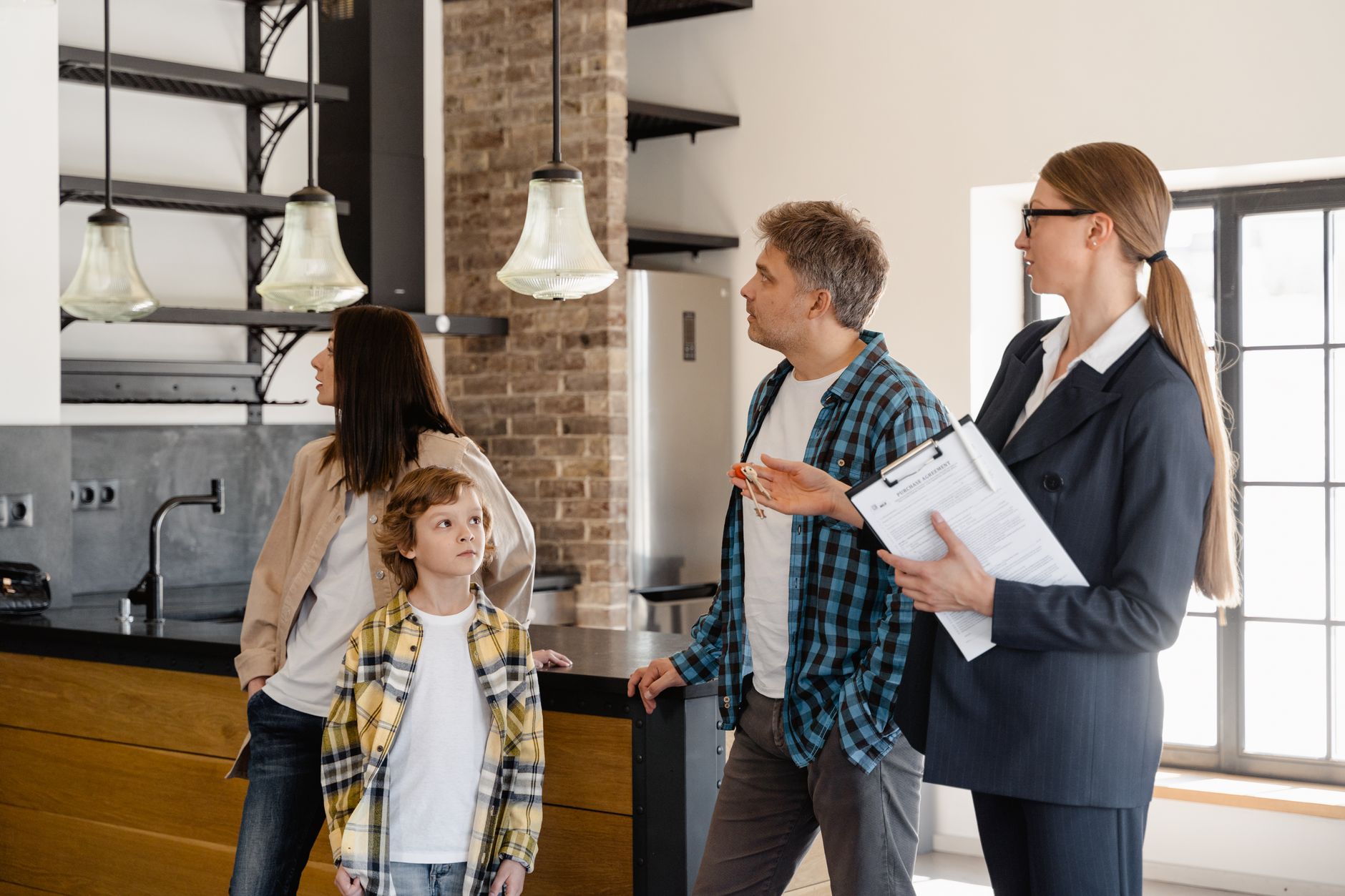
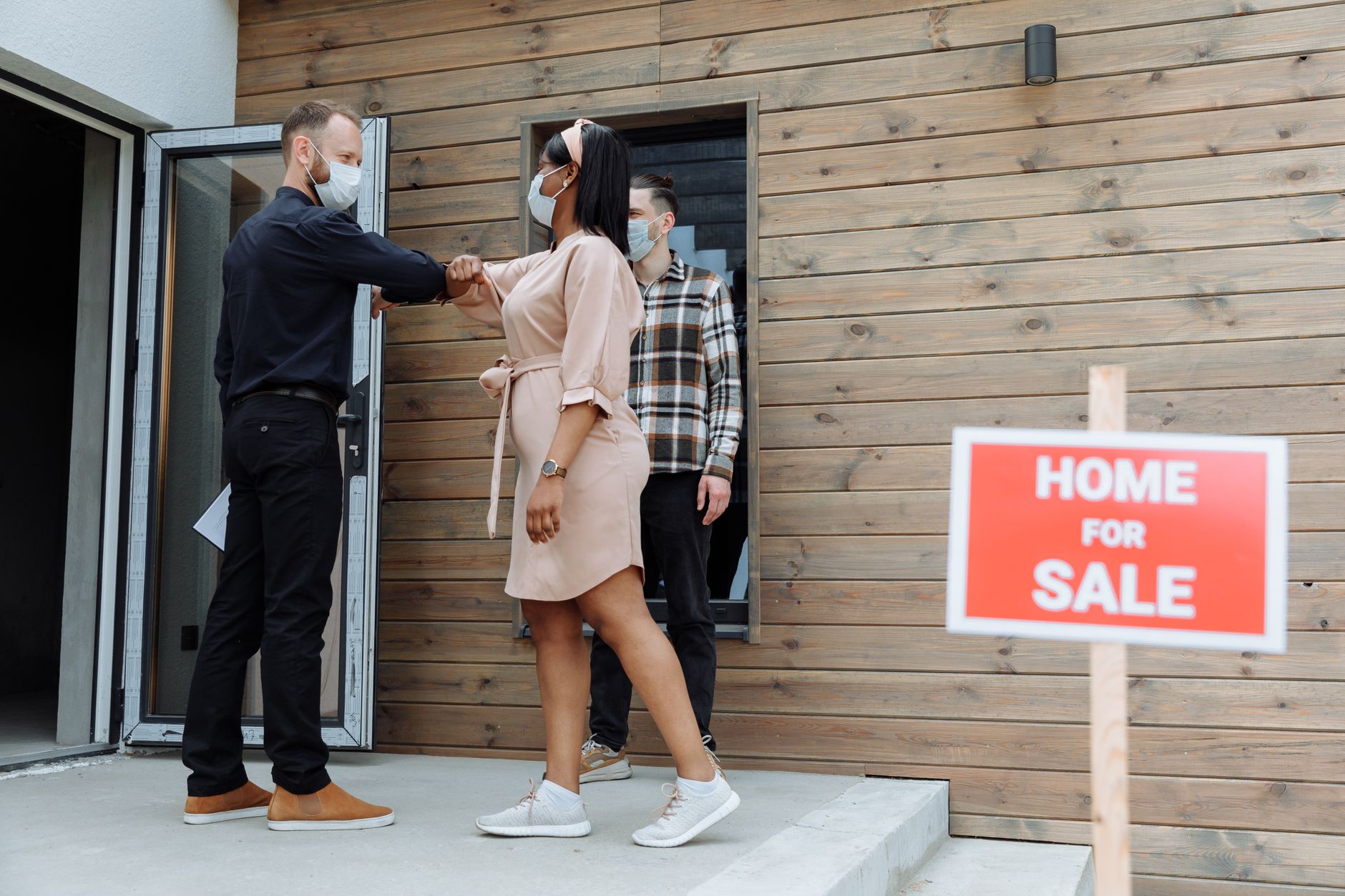
A public open house is the event most people picture when they hear the term “open house.” It is an event open to anyone, including potential buyers, curious neighbors, and people who are just beginning to explore the idea of homeownership. Public open houses are typically held on weekends, usually Saturday or Sunday afternoons, to maximize foot traffic.
The goals of a public open house extend beyond just selling the featured listing. While finding a buyer for the property is obviously the top priority, public open houses also serve as powerful lead generation opportunities. Many of the visitors who walk through the door may not be the right fit for that particular home, but they could become clients for other listings or future transactions.
According to the National Association of Realtors’ Profile of Home Buyers and Sellers, a significant percentage of buyers visit open houses during their home search. This makes public open houses an important touchpoint in the buyer journey, even if the final purchase happens through a different channel.
Common Features of Public Open Houses
- Open door policy with no appointment required
- Sign-in sheets or digital check-in systems for capturing visitor information
- Property brochures and marketing materials
- Warm, welcoming atmosphere with staging, music, and refreshments
- Directional signs placed throughout the neighborhood
Key Differences Between Broker and Public Open Houses
While both types of events involve opening a property’s doors to visitors, the similarities largely end there. Understanding the fundamental differences between broker open houses and public open houses helps you prepare the right materials, set appropriate expectations, and measure success accurately.
Audience and Attendance
The most obvious difference is the audience. Broker open houses are restricted to licensed real estate professionals, while public open houses welcome everyone. This distinction changes everything about how you prepare for and conduct the event. With brokers, you can speak in industry shorthand, discuss market data openly, and focus on the property’s investment-level details. With the public, you need to be more educational, emotionally engaging, and attentive to a wider range of questions.
Timing and Scheduling
Broker open houses almost always take place on weekday mornings, typically between 10 AM and 1 PM. This aligns with the standard caravan schedules that many real estate offices maintain. Public open houses are weekend events, usually from 1 PM to 4 PM on Saturdays or Sundays, when buyers who work during the week are free to tour homes.
Marketing Approach
Marketing for broker open houses focuses on agent-to-agent channels, including MLS remarks, office emails, local board announcements, and agent Facebook groups. Marketing for public open houses targets consumers through listing portals like Realtor.com, social media advertising, yard signs, and neighborhood door knocking.
Conversation and Feedback
At a broker open house, conversations tend to be candid and professional. Visiting agents may offer honest feedback about pricing, condition, or staging that they would never share in front of a buyer. This kind of peer-to-peer insight is incredibly valuable for listing agents. At public open houses, conversations are more focused on the visitor’s needs, timeline, and emotional reaction to the home.
Lead Generation Focus
Both events generate leads, but of very different kinds. Broker open houses strengthen agent-to-agent relationships and can lead to direct referrals and cooperative deals. Public open houses generate buyer leads and, occasionally, listing leads from neighbors thinking about selling.
When to Host a Broker Open House
Broker open houses are not necessary for every listing, but they can be extremely effective in certain situations. Knowing when to invest the time, effort, and budget into a broker event will help you get the best return on your marketing dollars.
New Listings That Need Exposure
The first week a property hits the market is the ideal time for a broker open house. You want agents to see the home while it is fresh and before market fatigue sets in. Scheduling a brokers’ caravan within the first few days of listing generates early momentum and word-of-mouth buzz.
Unique or High-End Properties
Luxury homes, architecturally distinctive properties, and homes with unusual features benefit greatly from broker open houses. Photos simply cannot capture the feel of a custom-built home with soaring ceilings, intricate millwork, or panoramic views. Getting agents physically into the space dramatically increases the chances they will bring their high-end buyers back for a private showing.
Properties That Have Been Sitting
If a listing has been on the market for several weeks without strong activity, a broker open house can re-energize interest. Perhaps a price reduction has occurred, improvements have been made, or new staging has been completed. Inviting agents back to see the “refreshed” listing gives you a reason to restart conversations and overcome any stale listing perception.
Building Relationships in a New Market
If you are new to an area or expanding into a different neighborhood, hosting broker open houses is an excellent networking strategy. It puts you face-to-face with the agents who dominate that market and establishes you as an active, professional presence.
When to Host a Public Open House
Public open houses are a staple of residential real estate marketing, but they are most effective when deployed strategically rather than reflexively. Here are the scenarios where a public open house delivers the greatest impact.
Active Buyer Markets
In a competitive market with strong buyer demand, public open houses create urgency and social proof. When prospective buyers see other people touring the same property, it triggers a fear of missing out that can accelerate decision-making. In hot markets, well-attended open houses have been known to spark multiple-offer situations, which is ideal for sellers.
Starter Homes and First-Time Buyer Properties
First-time buyers are often more reliant on open houses than experienced buyers. They may not yet have a strong relationship with an agent, and they appreciate the low-pressure environment of an open house where they can explore without committing to a formal showing. Properties priced in the entry-level range tend to see higher open house traffic for this reason.
Neighborhoods with High Foot Traffic
Properties in popular, walkable neighborhoods benefit from the spontaneous traffic that open houses attract. If the home is on a well-traveled street or near a park, coffee shop, or community gathering spot, a public open house can draw visitors who might not have found the listing online.
Lead Generation Priorities
Even if you are not confident the open house will sell that specific home, it can be well worth hosting for the buyer leads it generates. Every visitor who signs in is a potential client. This is especially valuable for newer agents building their pipeline. Using a digital sign-in system like EntryPointPro makes it easy to capture visitor information accurately and follow up efficiently.
How to Run Both Types Successfully
Regardless of whether you are hosting a broker open house or a public one, certain best practices apply to both. The difference lies in how you tailor these practices to each audience.
Preparation Is Everything
For both types of events, the property should be clean, decluttered, and well-staged. Ensure all lights are on, window coverings are open, and the temperature is comfortable. Print professional-quality marketing materials and have them ready at the door. For broker open houses, include a market analysis and pricing commentary. For public open houses, focus on lifestyle-oriented materials that help buyers envision themselves in the home.
Capture Every Contact
One of the biggest mistakes agents make is failing to systematically collect visitor information. A paper sign-in sheet at a public open house is easy to skip and hard to read. A digital check-in platform eliminates both problems. EntryPointPro’s QR code sign-in system lets visitors check in quickly on their own devices, automatically captures their contact details, and integrates with your follow-up workflow. For broker open houses, collect business cards or use a dedicated registration link so you have everyone’s current contact information.
Follow Up Quickly and Personally
The speed and quality of your follow-up determine whether an open house visitor becomes a client or disappears. For public open house visitors, send a personalized email within a few hours thanking them for coming and asking about their search criteria. For agents who attended a broker open house, reach out to ask about their feedback and whether they have any interested buyers.
Collect and Use Feedback
Broker open houses are especially valuable for candid feedback. Create a simple feedback form that asks agents to rate the property’s condition, pricing, and marketability. Use this information in your seller communication. If multiple agents say the price is too high, you have credible third-party evidence to support a price adjustment conversation.
Manage Offers Efficiently
When open houses generate buyer interest, you need a streamlined system to handle the resulting offers. Managing multiple offers through email and phone calls is chaotic and error-prone. An offer management platform keeps everything organized, ensures your seller sees all offers clearly, and helps you maintain compliance with your fiduciary duties.
Leveraging Technology for Open House Success
The real estate industry has evolved significantly, and the tools available for open houses have evolved with it. Technology can make both broker open houses and public open houses more productive, more professional, and more compliant.
Digital Sign-In and Lead Capture
Paper sign-in sheets are a relic of a less efficient era. They create illegible data, offer no automated follow-up capability, and raise compliance concerns around document retention. Modern solutions like EntryPointPro replace paper with QR code-based digital check-in that works on any smartphone. Visitors scan a code, enter their details, and the listing agent instantly has accurate, organized contact data ready for follow-up.
Digital Business Cards for Networking
Broker open houses are networking events at their core. Instead of handing out paper business cards that end up in a drawer, consider using a digital business card from RealConnect. With a single tap or scan, visiting agents receive your full contact information, social media links, and a direct line to connect with you. It is a more modern, memorable, and environmentally friendly approach to professional networking.
Virtual and Hybrid Options
While in-person open houses remain the gold standard, some agents are incorporating virtual components. A live video walkthrough posted to social media during a public open house can attract remote buyers and generate online engagement. For broker open houses, recording a narrated video tour and distributing it to agents who could not attend extends the life of the event beyond its scheduled hours.
Compliance and Documentation
Real estate agents operate in a heavily regulated environment. Proper documentation of open house visitors, disclosures provided, and conversations had is not just good practice, it is often legally required. According to many state real estate commissions, agents must maintain records of their marketing activities and client interactions. Digital tools that automatically timestamp and store visitor data help you stay compliant without extra effort.
Social Media Amplification
Both types of open houses benefit from social media promotion. For public events, create Facebook and Instagram posts with eye-catching photos and clear event details at least three to five days in advance. For broker open houses, post in local agent groups and tag prominent agents in your market. After the event, share highlights and thank attendees publicly to extend the engagement further.
The Inman News platform regularly features insights on how top-producing agents are using technology and social media to amplify their open house strategies. Staying current with these trends gives you a competitive edge.
Frequently Asked Questions
What is the main difference between a broker open house and a public open house?
A broker open house is an exclusive event for licensed real estate agents and industry professionals, designed to generate buzz and gather feedback from peers. A public open house is open to everyone, including potential buyers and curious neighbors, with the primary goals of selling the property and generating buyer leads. The audience, timing, marketing approach, and conversation style differ significantly between the two.
Should I host a broker open house for every listing?
Not necessarily. Broker open houses are most effective for new listings that need early momentum, luxury or unique properties, listings that have been sitting without offers, and situations where you want to build relationships with agents in a specific market area. For more routine listings in high-demand markets, the property may sell quickly without the added investment of a broker event.
How do I get more agents to attend my broker open house?
Timing is critical. Schedule your event to align with local caravan schedules so agents can easily add your property to their tour route. Offer food, beverages, or small incentive prizes to increase attendance. Promote the event through MLS agent remarks, office email blasts, local agent social media groups, and personal phone calls to top-producing agents in the area.
What is the best way to capture leads at a public open house?
Use a digital sign-in system rather than a paper sheet. Paper sign-in sheets often result in illegible handwriting, incomplete information, and no automated follow-up capability. A platform like EntryPointPro allows visitors to check in via QR code on their own phones, automatically capturing accurate contact details and enabling fast, organized follow-up after the event.
Can I host both a broker open house and a public open house for the same listing?
Absolutely, and many successful listing agents do exactly that. A common strategy is to hold a broker open house during the week, typically within the first few days of listing, followed by a public open house on the weekend. This approach ensures the property gets maximum exposure to both agent and consumer audiences during the critical first week on the market.
Make Every Open House Count
Whether you are hosting a broker caravan or a weekend public open house, EntryPointPro helps you capture every lead, automate follow-up, and stay compliant. See how digital sign-in can transform your open house results.

 Icon On The Top Right Is the Menu For Your Card. This Is Where You can edit your card and log into your dashboard.