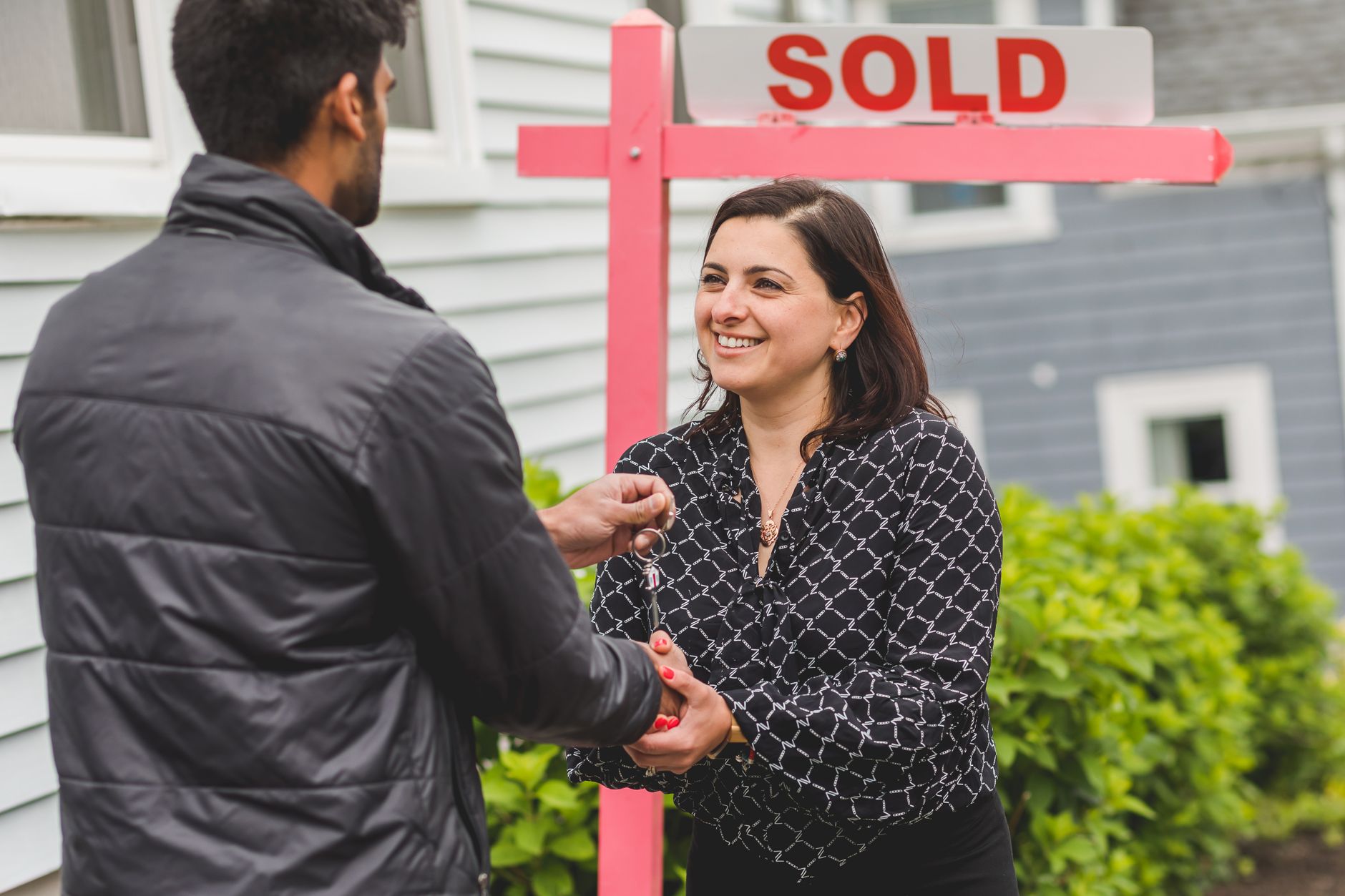
Open house safety is one of the most critical yet frequently overlooked aspects of a real estate agent’s daily workflow. Solo agents, in particular, face unique risks every time they open the door to strangers in a vacant property. The good news is that modern technology has created powerful new ways to stay protected without sacrificing the welcoming, approachable atmosphere that makes open houses successful. In this guide, we will walk through actionable safety strategies, digital tools, and proven protocols that every solo agent should adopt to minimize risk and maximize peace of mind.
Why Solo Agents Face Unique Safety Risks at Open Houses
Real estate is consistently ranked among the most dangerous professions that involve regular face-to-face interaction with strangers. According to the National Association of Realtors (NAR) Member Safety Report, nearly half of all real estate professionals have experienced a situation where they feared for their personal safety. For solo agents, the risks are amplified because there is no colleague, assistant, or team member present to serve as a witness, deterrent, or source of backup.
Open houses present a particularly challenging environment. Unlike a private showing where you have had at least some prior communication with the buyer, open houses invite the general public into a property with virtually no screening. Anyone can walk through the front door, and solo agents are often the only person in the home. Combine this with the fact that many open houses take place in unfamiliar neighborhoods, vacant properties, or homes with multiple exits and blind corners, and the risk profile becomes clear.
Beyond physical safety, solo agents also face risks related to liability and compliance. If an incident occurs and there is no record of who attended the open house, agents and their brokerages can face legal exposure. This is why combining personal safety awareness with the right technology is not just smart, it is essential.
Pre-Open House Safety Protocols Every Agent Should Follow
Good open house safety starts long before the first visitor arrives. Preparation is your first line of defense, and the habits you build before each event can dramatically reduce your exposure to risk.
Share Your Schedule and Location
Always inform at least one trusted person, whether that is a colleague, broker, family member, or friend, of the exact address, time frame, and expected end time of your open house. Share your live location using your smartphone’s built-in location sharing feature. This simple step ensures that someone always knows where you are and when to expect you to check in.
Familiarize Yourself With the Property
Before the open house begins, walk through the entire property and identify all exits, including back doors, side doors, and accessible windows. Make a mental note of rooms that could become dead ends, such as basements without exterior access or large closets. Position yourself so that you always have a clear path to the front door and never allow a visitor to stand between you and your exit route.
Remove or Secure Valuables
Work with the homeowner ahead of time to secure prescription medications, jewelry, small electronics, and any personal documents. Beyond the obvious theft risk, unsecured valuables can attract individuals who are not legitimate buyers, increasing the chance of a confrontational situation.
Set Up Your Tech Before Guests Arrive
Ensure your digital sign-in system, security cameras (if applicable), and smartphone safety apps are all tested and operational before the first visitor walks in. A tool like EntryPointPro allows you to set up a QR code sign-in station in minutes, giving you a digital record of every attendee while also sending a clear signal that the event is being monitored and documented.
How Digital Sign-In Systems Protect You
If there is one piece of technology that every solo agent should adopt for open house safety, it is a digital sign-in system. Traditional paper sign-in sheets are easy to bypass, filled with illegible handwriting, and offer virtually no verification. Digital sign-in platforms solve all of these problems while simultaneously improving your lead capture and compliance workflows.
Accountability Through Identity Capture
When visitors check in through a digital system, they are providing verifiable contact information, often including a phone number and email address. This creates a documented trail of who was in the property and when. The psychological impact of this process should not be underestimated. People with malicious intent are far less likely to follow through when they know their identity has been recorded digitally.
Real-Time Notifications and Cloud-Based Records
Advanced platforms like EntryPointPro go further by storing all check-in data in the cloud, sending real-time notifications, and automating compliance documentation. This means that even if something happens to your phone or tablet during an open house, the data is safely backed up and accessible by your brokerage. For solo agents, this cloud-based redundancy is a critical safety net.
Compliance and Legal Protection
In many states, real estate commissions require agents to maintain records of disclosures presented to prospective buyers at open houses. A digital sign-in system that automatically logs document acknowledgments gives you a defensible compliance record. If a dispute arises weeks or months later, you have timestamped proof of exactly who attended and what disclosures they received.
Smartphone Apps and Wearable Safety Devices
Beyond sign-in technology, a growing ecosystem of safety-focused apps and wearable devices has emerged that can provide solo agents with an added layer of protection during open houses and private showings alike.
Real-Time Location Sharing Apps
Most smartphones now include built-in location sharing features, but several apps are designed specifically for safety-conscious professionals. Apps like bSafe, Noonlight, and the safety timer within many real estate CRM platforms allow you to set a check-in window. If you fail to check in by the designated time, the app automatically alerts your emergency contacts and, in some cases, local authorities with your GPS coordinates.
Panic Button Devices and Apps
Wearable panic buttons, such as those from Birdie or Silent Beacon, can be worn discreetly as a pendant or clipped to your clothing. A single press sends an alert to your preset contacts, often accompanied by your location and even an audio recording of your surroundings. Smartphone-based panic button apps provide similar functionality without requiring additional hardware, though dedicated devices have the advantage of faster activation in high-stress situations.
Smart Home Security Cameras
If the property owner is willing, placing a visible smart camera (such as a Ring Indoor Cam or Wyze Cam) at the main entrance of the open house can serve as both a deterrent and a recording tool. Be sure to check your state’s laws regarding video and audio recording in private spaces, and always post a visible notice informing visitors that recording is in progress. The NAR Safety Resource Center provides state-by-state guidance on recording laws that can help you stay compliant.
Building a Safety-First Open House Workflow
Having the right tools is only half the equation. To truly prioritize open house safety, you need to integrate your tools and protocols into a repeatable workflow that becomes second nature. Here is a step-by-step framework you can adapt to your own practice.
Step 1: Notify Your Safety Network
At least 30 minutes before the open house begins, text or call your designated safety contact with the property address, the start and end times, and a description of what you are wearing. Turn on live location sharing. Some agents use a shared Google Calendar specifically for open house events so their team or family can always see their schedule at a glance.
Step 2: Prepare the Property
Walk the property and open all interior doors, including closet doors, so there are no hidden spaces. Ensure all exterior doors are unlocked for easy exit. Position your sign-in station near the main entrance so visitors must check in as they enter. Place any safety signage and test your technology.
Step 3: Greet Every Visitor and Require Check-In
Never allow anyone to bypass the sign-in process. Stand near the entrance and personally greet each visitor, directing them to check in via your QR code or tablet station. This serves the dual purpose of collecting their information and giving you a moment to assess each person as they arrive.
Step 4: Maintain Situational Awareness Throughout
Avoid retreating to back rooms or areas with limited exits. If you need to show a visitor a basement or attic, let them go first so you maintain your position closest to the exit. Keep your phone charged and within easy reach at all times. If multiple visitors are present, try to keep them within your line of sight.
Step 5: Close Down Methodically
At the end of the open house, walk through the entire property to confirm it is empty before locking up. Review your digital sign-in records to confirm the count of visitors matches your recollection. Send a check-in message to your safety contact confirming you have left the property safely.
What to Do If You Feel Unsafe During an Open House
Even with the best preparation and technology, situations can still arise that make you feel uncomfortable or threatened. Having a plan for these moments is just as important as your preventive measures.
Trust Your Instincts
If something feels wrong, it probably is. Real estate professionals are trained to be hospitable and accommodating, but your personal safety always comes first. You are never obligated to stay in a situation that makes you uncomfortable, and you do not need to justify your decision to leave or ask someone to leave.
Use a Code Word System
Establish a code word or phrase with your safety contact that signals distress. For example, a phone call where you say, “Can you check on the listing at 42 Elm Street?” could be the agreed-upon signal that you need help at your current location. Your safety contact should know to immediately call 911 and provide your location if they receive this phrase.
Exit Calmly and Call for Help
If you feel threatened, do not confront the individual. Instead, make an excuse to step outside, such as needing to grab materials from your car, and once outside, move to a public area, call 911, and then contact your broker. If you cannot leave, lock yourself in a room with exterior access and call for help immediately.
Document Everything After the Fact
If an incident occurs, document it in writing as soon as you are safe. Include descriptions of the individual, timestamps, and any digital records from your sign-in system. Your cloud-based check-in data from a platform like EntryPointPro can provide valuable evidence for law enforcement. Report the incident to your brokerage and consider filing a report with your local REALTOR association as well.
Training and Industry Resources for Agent Safety
Technology is a powerful ally, but knowledge and training are equally important. Several industry organizations offer resources specifically designed to help real estate professionals stay safe.
NAR REALTOR Safety Program
The National Association of Realtors runs an ongoing REALTOR Safety Program that includes webinars, downloadable safety guides, and an annual Safety Month campaign every September. Their resources cover everything from open house protocols to safe showing practices and cybersecurity awareness.
State and Local Association Training
Many state and local REALTOR associations offer in-person safety training, including self-defense workshops and scenario-based drills. Check with your local board to see what programs are available. Some brokerages also incorporate safety training into their onboarding process for new agents.
CRS and ABR Designation Courses
Advanced designation courses, such as those offered through the Residential Real Estate Council (CRS), often include modules on risk management and personal safety as part of their broader curriculum. These courses can deepen your understanding of how to assess and mitigate risk in various client-facing scenarios.
Leverage Your Digital Business Card for Safer Networking
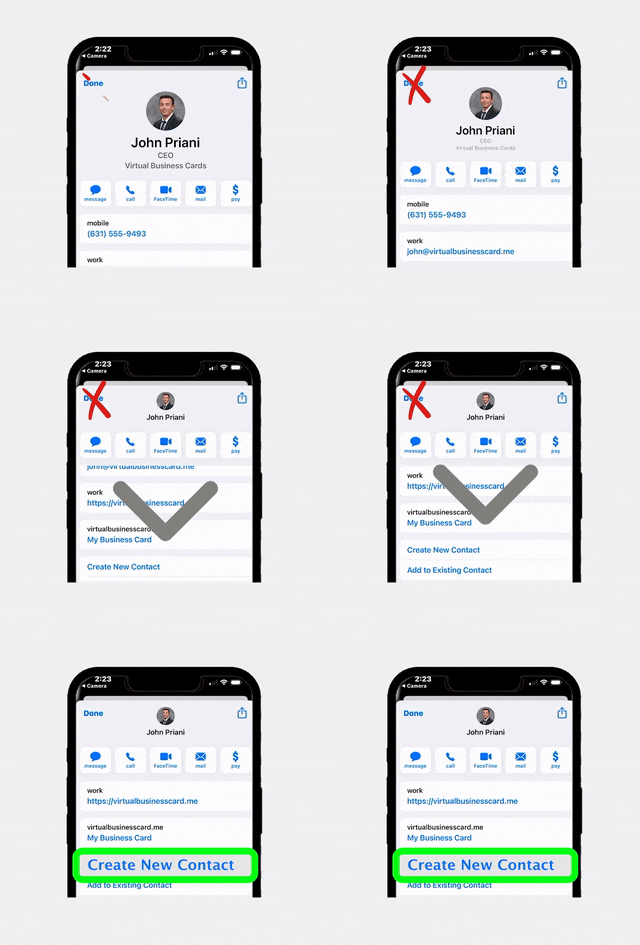
Part of staying safe as a solo agent involves controlling how and when you share your personal contact information. A digital business card through RealConnect lets you share your professional details without handing over your personal phone number or home address on a paper card that anyone can pick up. This gives you more control over your digital footprint and reduces the risk of unwanted contact outside of professional channels.
Frequently Asked Questions
What is the biggest open house safety risk for solo agents?
The biggest risk is being alone in an unfamiliar property with unscreened members of the public. Without a colleague present, there is no witness, no deterrent, and no immediate source of backup if a situation escalates. Digital sign-in systems, location sharing, and pre-event preparation are the most effective ways to mitigate this risk.
Do digital sign-in sheets really improve safety?
Yes. Digital sign-in systems create a documented, verifiable record of everyone who enters the property. This accountability factor acts as a strong psychological deterrent to individuals with bad intentions. Cloud-based platforms also ensure the data is preserved even if your device is lost, stolen, or damaged during an incident.
Are there legal concerns with using cameras at an open house?
Recording laws vary significantly by state. Some states allow video recording in private spaces with notice, while others restrict audio recording without consent. Always check your state’s specific laws and post a visible notice informing visitors that recording may be in progress. The NAR Safety Resource Center provides helpful state-by-state guidance on this topic.
What should I do if a visitor refuses to sign in at my open house?
You are within your rights to require sign-in as a condition of entry. Politely explain that it is your brokerage’s policy for safety and compliance purposes. If a visitor still refuses, you can decline entry. An individual who refuses to provide basic contact information is raising a red flag that you should take seriously.
How can technology help with open house compliance and safety at the same time?
Platforms like EntryPointPro combine lead capture, automated disclosure delivery, and cloud-based record keeping in a single sign-in workflow. This means every visitor is logged, every required document is delivered and acknowledged, and all records are securely stored. The result is simultaneous improvement in both your compliance posture and your personal safety.
Protect Yourself at Every Open House
EntryPointPro gives solo agents a digital sign-in system that captures visitor data, automates compliance, and creates the accountability you need to stay safe. See how it works and find the right plan for your business.


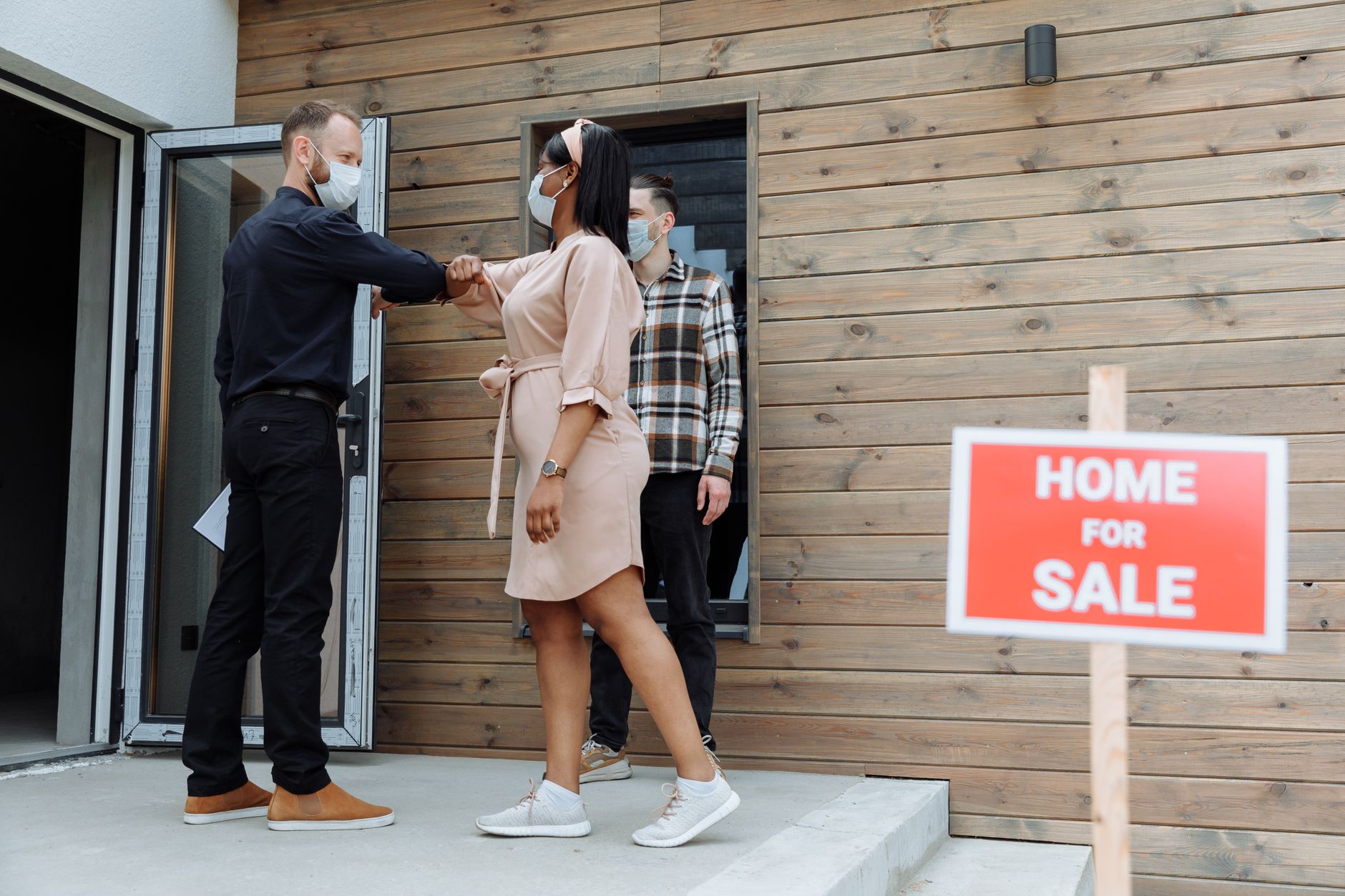


 Icon On The Top Right Is the Menu For Your Card. This Is Where You can edit your card and log into your dashboard.