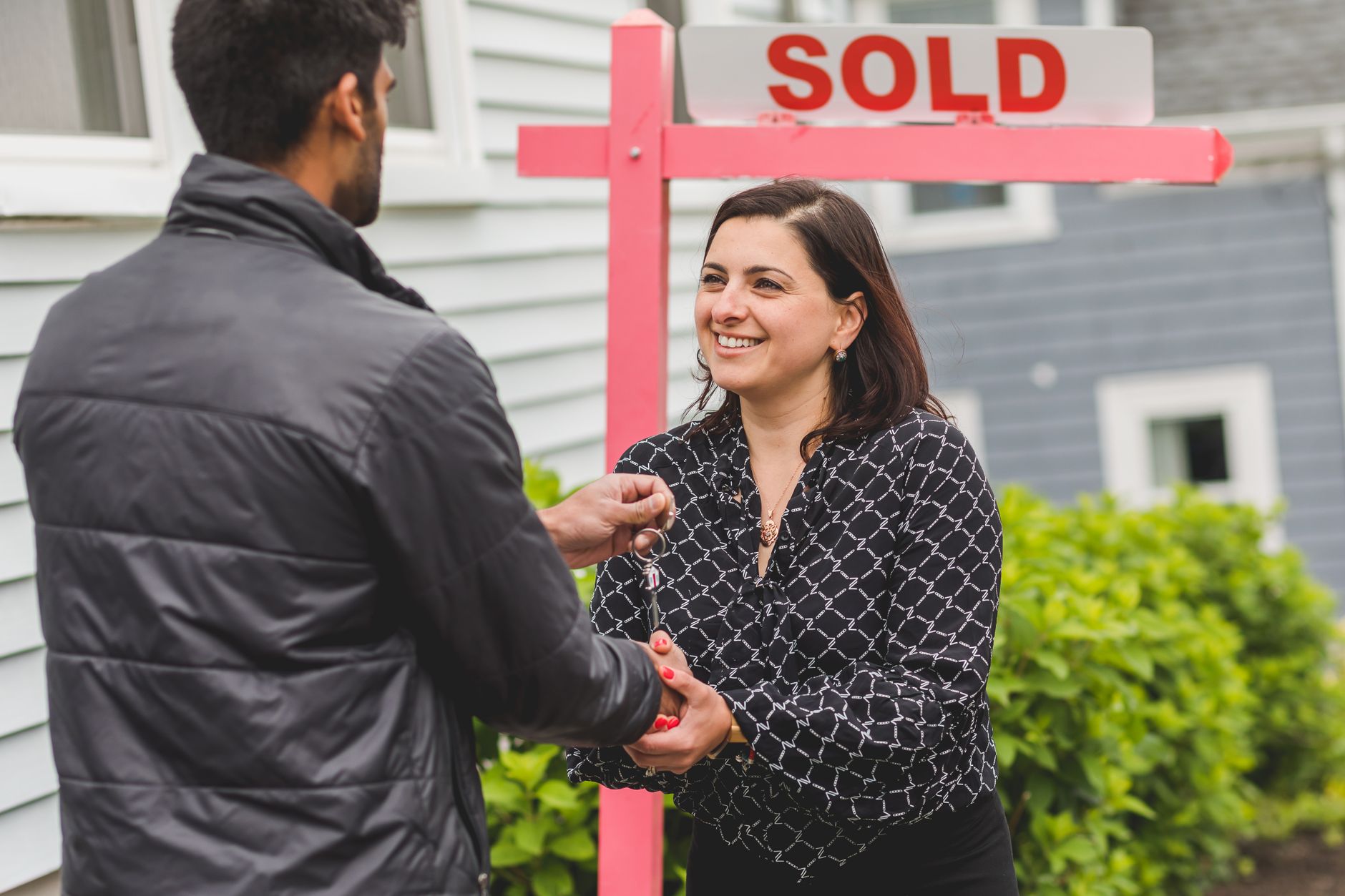
Open houses remain one of the most powerful lead generation tools in real estate, yet the average agent converts fewer than 2% of attendees into clients. The problem is rarely foot traffic. It is almost always what happens after the visitor walks through the door. If you want to convert open house visitors into paying clients at a significantly higher rate, you need to replace guesswork with a structured, data-driven approach that captures the right information, segments leads by intent, and triggers timely, personalized follow-up sequences.
Why Most Open Houses Fail to Convert
Before diving into solutions, it helps to understand why so many open house visitors never become clients. According to the National Association of Realtors’ Profile of Home Buyers and Sellers, roughly 53% of buyers attended at least one open house during their home search. That represents a massive pool of motivated prospects walking into your event. So why do so few convert?
The most common reasons come down to three systemic failures:
- Poor data capture: Paper sign-in sheets are easy to skip, hard to read, and often missing critical contact details. When you cannot read a phone number or email address, you have already lost the lead.
- No visitor segmentation: Treating every person who walks through the door the same, whether they are a serious buyer, a curious neighbor, or another agent previewing the property, wastes your time and dilutes your follow-up efforts.
- Delayed or generic follow-up: Sending a blanket “thanks for coming” email three days after the event misses the window of peak engagement. Research consistently shows that the first 5 minutes after initial contact are the most critical for lead conversion.
Building a Data-Driven Open House Strategy
A data-driven approach means every decision you make before, during, and after your open house is informed by measurable inputs rather than instinct. This starts well before the front door opens on event day.
Pre-Event Planning with Data in Mind
Start by choosing properties and time slots based on historical performance data. Track which neighborhoods, price points, and days of the week generate the most foot traffic and, more importantly, the most qualified leads. Over time, you will spot patterns that let you allocate your open house schedule more strategically.
Promote your upcoming open house across channels where your target audience already spends time. MLS syndication, social media ads targeted by ZIP code, and email blasts to your existing database all work well. Use UTM parameters or unique landing page links to track which promotional channel drives the most sign-ups, so you can double down on what works.
Setting Measurable Goals
Every open house should have clear, quantifiable goals before the event begins. Consider tracking these key metrics:
- Total number of visitors
- Percentage of visitors who provide complete contact information
- Number of visitors who are pre-approved or actively searching
- Follow-up response rate within 48 hours
- Number of listing appointments or buyer consultations booked within 14 days
When you define success in advance, you create a benchmark you can optimize against event after event.
Capturing Quality Lead Data at Sign-In
Your sign-in process is the single most important moment of your entire open house from a lead generation perspective. It is where you either collect actionable data or lose the opportunity forever. The goal is to make registration fast, frictionless, and comprehensive.
Moving Beyond the Paper Sign-In Sheet
Paper sign-in sheets have been a staple of open houses for decades, but they are riddled with problems. Visitors give fake names, scribble illegible phone numbers, or skip fields entirely. Even when you do get valid information, you still have to manually enter it into your CRM, which introduces delays and errors.
Digital sign-in platforms solve these problems by validating information in real time and syncing directly with your follow-up systems. EntryPointPro is specifically designed for this use case, offering QR code check-in that visitors can complete on their own phones in seconds. Required fields ensure you capture a valid email and phone number before the visitor moves past the foyer.
What Data Points Should You Collect?
Beyond the basics of name, email, and phone number, consider collecting a few strategic qualifying data points during sign-in:
- Are you currently working with an agent? This immediately tells you whether the visitor is a viable prospect or someone else’s client.
- Are you pre-approved for a mortgage? Pre-approved visitors are dramatically closer to buying than those who are “just browsing.”
- What is your ideal timeline for purchasing or selling? Urgency is one of the strongest indicators of conversion probability.
- How did you hear about this open house? This ties back to your promotional channel tracking and helps refine your marketing spend.
Leveraging Document Processing for Compliance
If your brokerage requires visitors to acknowledge agency disclosure forms or property condition documents at the open house, manually managing paper copies is a compliance headache. Digital platforms like EntryPointPro can automate document delivery and acknowledgment as part of the sign-in flow, creating a timestamped audit trail that protects both you and the listing agent.
Segmenting Visitors by Intent Level
Not all open house visitors are created equal. Once you have collected quality data, the next step is to segment your visitor list by purchase intent so your follow-up efforts match each person’s actual situation.
A Simple Three-Tier Segmentation Model
Based on the qualifying questions you asked during sign-in, sort each visitor into one of three categories:
- Hot leads (Tier 1): Pre-approved buyers actively searching in the property’s price range and neighborhood, with a timeline of 0 to 90 days. These visitors get immediate, personalized attention.
- Warm leads (Tier 2): Interested buyers who are not yet pre-approved, or sellers evaluating the market by attending open houses in their neighborhood. They need nurturing over a longer timeline.
- Cold contacts (Tier 3): Neighbors who stopped by out of curiosity, other agents previewing the property, or visitors who gave incomplete information. These contacts go into your general database for long-term drip campaigns.
This segmentation model works because it aligns your time investment with the probability of conversion. According to Inman News, top-producing agents spend approximately 80% of their follow-up energy on Tier 1 and Tier 2 leads, which is a deliberate allocation that maximizes their return on time spent.
Turning Neighbors into Future Listings
Do not dismiss Tier 3 visitors entirely, especially curious neighbors. Every neighbor who walks through your open house is a potential future listing. They are evaluating what homes in their area are selling for, and they are forming an impression of you as an agent. Add them to a neighborhood-specific nurture sequence that includes monthly market updates and recently sold data. When they are ready to sell in 6, 12, or 24 months, you want to be their first call.
The Follow-Up Timeline That Actually Works
The speed and structure of your follow-up is where the actual conversion happens. Data from multiple industry studies, including research published by the National Association of Realtors, consistently shows that faster follow-up correlates with higher conversion rates. Here is a tested timeline you can implement immediately.
Day Zero: Same-Day Follow-Up (Within 2 Hours)
For Tier 1 hot leads, pick up the phone and call within two hours of the open house ending. Yes, the phone. A personal call demonstrates urgency and commitment that no email can match. Reference something specific you discussed at the property to show you remember them.
For Tier 2 warm leads, send a personalized email or text message that includes a recap of the property details, a link to similar listings they might like, and an invitation to schedule a buyer consultation.
Day One: The Value-Add Follow-Up
Within 24 hours, send every visitor a follow-up that delivers genuine value. This could be a curated list of comparable properties, a neighborhood market snapshot, or a mortgage calculator link. The goal is to position yourself as a resource, not just someone trying to close a deal.
Days Three Through Seven: Social Proof and Engagement
Between days three and seven, share social proof. This might include a “just sold” announcement for the open house property, client testimonials, or a brief video walking through market trends in the area. This phase keeps you top of mind while building credibility.
Days Seven Through Thirty: Consistent Nurture
For leads who have not yet converted to a consultation, shift to a weekly or biweekly nurture cadence. Share new listings, market updates, and educational content. The key is consistency without being overwhelming. Three touchpoints per week is too many. One per week is just right for most audiences.
Using Technology to Automate and Scale
Even the most disciplined agent cannot manually execute perfect follow-up for 30 or more visitors across multiple open houses each month. This is where technology becomes essential, not as a replacement for personal connection but as the engine that makes personal connection scalable.
Digital Sign-In and Automated Lead Routing
The conversion process starts at the front door. When a visitor checks in through a digital platform like EntryPointPro, their contact information is immediately captured, validated, and organized. This eliminates the 24-to-48-hour gap that typically exists between an open house and manual data entry.
With visitor data flowing directly into your CRM, you can trigger automated workflows. A Tier 1 lead can receive a personalized text message within minutes of signing in, while a Tier 3 neighbor is automatically added to your long-term nurture sequence. This kind of instant, segmented response is nearly impossible to achieve with paper-based systems.
Digital Business Cards for In-Person Connection
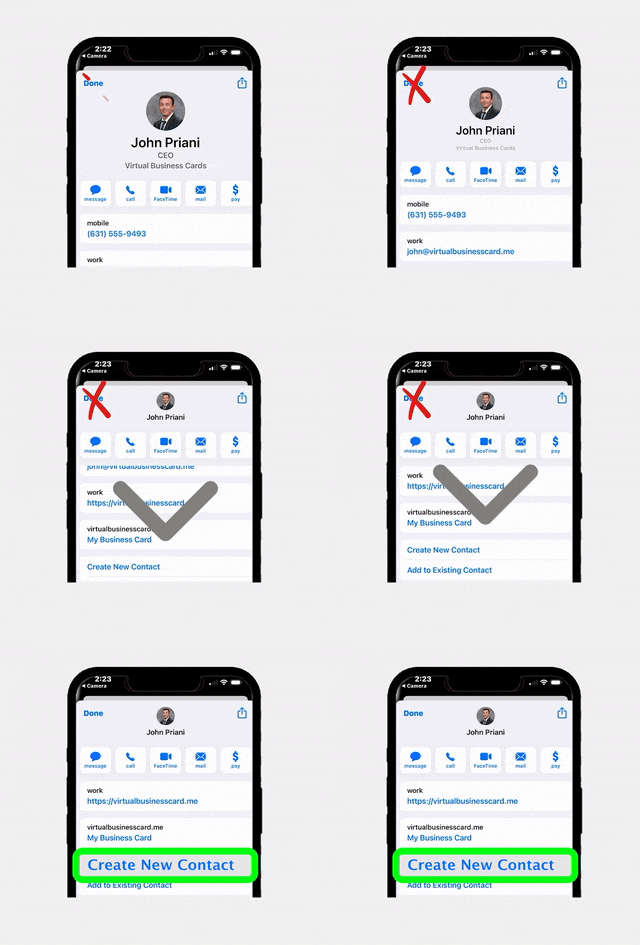
During the open house itself, making a memorable impression matters. Handing out paper business cards that end up in a jacket pocket or trash can is an outdated approach. RealConnect digital business cards let visitors save your complete contact information directly to their phone with a single tap or scan. This means your name, phone number, email, and social media profiles are immediately accessible in their contacts, not buried in a stack of paper cards from five different agents.
Streamlined Offer Processing
When your open house generates serious buyer interest and multiple offers come in, you need a system that handles the volume without introducing errors or delays. RLTRsync’s Offer Management platform lets listing agents receive, organize, and compare offers in a centralized dashboard. This keeps the process transparent and efficient, which benefits both you and your clients.
Measuring Your Open House ROI
The final piece of a data-driven approach is measuring what actually worked. Without tracking outcomes, you are simply hosting events and hoping for the best. Here is how to calculate and improve your open house return on investment.
The Core Metrics That Matter
Track these numbers for every open house you host:
- Visitor-to-contact conversion rate: What percentage of people who walked through the door provided complete, valid contact information? If this number is below 80%, your sign-in process needs improvement.
- Contact-to-conversation rate: Of the contacts you captured, how many responded to your follow-up within 7 days? A rate below 30% suggests your follow-up timing or messaging needs work.
- Conversation-to-appointment rate: How many follow-up conversations turned into a scheduled buyer consultation or listing appointment? This is where your sales skills and value proposition come into play.
- Appointment-to-client rate: How many consultations resulted in a signed buyer agency agreement or listing agreement?
- Cost per acquisition: Total all expenses associated with the open house, including staging, marketing, food, signage, and your time at a reasonable hourly rate. Divide by the number of clients acquired to get your true cost per client.
Benchmarking and Continuous Improvement
After hosting 5 to 10 open houses with consistent data tracking, you will have enough information to identify your weakest conversion point. Maybe your sign-in capture rate is excellent at 90%, but your contact-to-conversation rate is only 15%. That tells you the problem is in your follow-up, not your event execution.
Compare your metrics against industry benchmarks. While exact figures vary by market, a well-executed data-driven open house strategy should aim for:
- 85% or higher visitor-to-contact capture rate
- 35% or higher contact-to-conversation rate
- 25% or higher conversation-to-appointment rate
- 40% or higher appointment-to-client rate
These benchmarks compound dramatically. An agent who captures 20 visitors at an open house, converts 85% to contacts (17), gets 35% to respond (6), books appointments with 25% (about 2), and closes 40% of those becomes a client (about 1) is generating roughly one new client per open house. Over 50 open houses a year, that is a business-transforming pipeline.
Frequently Asked Questions
How many open house visitors does the average agent convert into clients?
Industry estimates suggest the average conversion rate is between 1% and 3%. However, agents who use data-driven sign-in systems, visitor segmentation, and structured follow-up timelines regularly achieve conversion rates of 5% to 10% or higher. The difference is almost entirely attributable to systems and processes rather than personal sales ability.
Should I use a digital sign-in system or a paper sign-in sheet?
Digital sign-in systems are significantly more effective than paper sheets. They validate contact information in real time (eliminating fake emails and illegible phone numbers), sync data directly to your CRM for faster follow-up, and can include required qualifying questions. Platforms like EntryPointPro also handle compliance documents automatically, creating a complete audit trail for your brokerage.
How quickly should I follow up with open house visitors?
For hot leads, you should follow up within 2 hours of the open house ending, ideally with a phone call. For warm leads, a personalized email or text within 2 to 4 hours is appropriate. Research consistently shows that the probability of converting a lead drops dramatically after the first 24 hours, so same-day follow-up is essential regardless of the lead tier.
What is the best way to handle visitors who are already working with another agent?
Be professional and respectful. Do not attempt to poach another agent’s client. Instead, note their status in your database and focus on providing an excellent open house experience. If they are unhappy with their current agent, they may circle back to you later. You can also ask if they have friends or family who are looking for an agent, turning a non-prospect into a potential referral source.
How do I track open house ROI if I am hosting events for other agents’ listings?
The process is the same. Track your own lead capture, follow-up, and conversion metrics independently from the listing agent’s results. The property may belong to another agent, but the buyer leads you generate at the open house are yours. Use a consistent tracking spreadsheet or CRM tags to attribute leads and eventual closings back to the specific open house where the relationship started.
Ready to Convert More Open House Visitors into Clients?
EntryPointPro gives you digital sign-in, automated lead capture, compliance document processing, and instant CRM integration so you can focus on building relationships instead of chasing paper sign-in sheets.





 Icon On The Top Right Is the Menu For Your Card. This Is Where You can edit your card and log into your dashboard.