Hosting a first-time home buyer open house requires a different approach than catering to experienced buyers who already know the process. First-time buyers walk through the door with excitement, uncertainty, and dozens of questions they may not even know how to ask. As the listing agent, your preparation can make the difference between a forgettable walkthrough and a meaningful interaction that builds trust, generates leads, and ultimately drives offers. This comprehensive checklist covers everything real estate agents should prepare to create an open house experience that resonates with buyers entering the market for the very first time.
Why First-Time Buyers Need Extra Attention at Open Houses
According to the National Association of Realtors 2024 Profile of Home Buyers and Sellers, first-time buyers accounted for 24 percent of all home purchases, a historically low share that underscores how challenging the current market is for newcomers. These buyers face unique hurdles including limited market knowledge, unfamiliarity with the transaction process, and heightened anxiety about making what is often the largest financial decision of their lives.
When first-time buyers attend an open house, they are not just evaluating a property. They are evaluating you as a potential guide through an unfamiliar process. They may not know how to assess a home’s condition, understand what closing costs look like, or even realize they should get pre-approved before making an offer. This is your opportunity to demonstrate expertise and build a relationship that extends well beyond a single showing.
Experienced buyers typically know what they want and can self-navigate an open house with minimal hand-holding. First-time buyers, on the other hand, benefit enormously from agents who anticipate their questions, provide educational resources, and create a welcoming atmosphere that reduces intimidation. The agents who prepare specifically for this audience consistently capture more leads and earn more referrals.
Essential Materials to Prepare Before the Open House
Walking into an open house without the right materials is like showing up to a listing presentation without a CMA. Preparation signals professionalism and gives you tangible tools to serve first-time buyers effectively. Here is your pre-event materials checklist.
Property-Specific Documents
- Professional property flyers with high-quality photos, key features, square footage, lot size, and the listing price
- Floor plan or layout diagram so buyers can visualize furniture placement and room flow
- Property disclosure documents available for review upon request
- Neighborhood overview sheet highlighting nearby schools, parks, grocery stores, transit options, and walkability scores
- Recent comparable sales summary showing how the listing price aligns with the local market
First-Time Buyer Educational Materials
- Home buying process timeline that maps out each step from pre-approval to closing
- Glossary of common real estate terms (escrow, contingency, appraisal, earnest money, etc.)
- Estimated closing costs breakdown using general percentages for your local market
- Down payment assistance program information relevant to your state or municipality
- List of recommended lenders who specialize in first-time buyer loan programs like FHA, USDA, and VA loans
Your Professional Materials
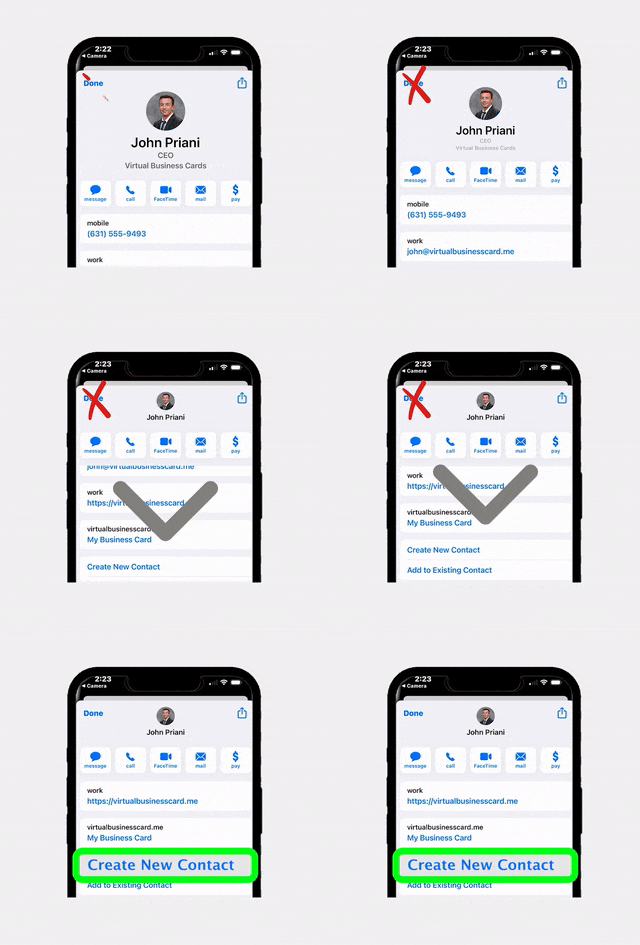
- Digital business cards that visitors can save directly to their phones, eliminating the chance of a lost paper card. Tools like RealConnect are designed specifically for real estate professionals and make exchanging contact information seamless.
- Testimonials or reviews printed or accessible via QR code
- A brief bio sheet establishing your experience and local market expertise
Setting Up Your Open House for First-Time Buyer Success
The physical setup of your open house influences how comfortable first-time buyers feel the moment they walk in. Remember, many of these visitors have never attended an open house before. They may not know the etiquette, where to go, or what is expected of them. Your setup should eliminate confusion and create a warm, inviting atmosphere.
Exterior Preparation
First impressions start at the curb. Ensure the yard is tidy, the walkway is clear, and your signage is professional and easy to read. Place directional signs at nearby intersections to guide buyers to the property. If the neighborhood has a community entrance, consider placing a sign there as well.
Entry and Sign-In Area
Set up a clean, organized sign-in station near the front door. This is your first interaction point, so it needs to be welcoming rather than bureaucratic. A cluttered clipboard with a wrinkled sign-in sheet sends the wrong message. Instead, consider a digital sign-in solution that feels modern and professional. EntryPointPro offers QR code check-in that allows visitors to sign in from their own phones, reducing friction and automatically capturing contact information for follow-up.
Interior Flow and Staging
- Create a natural walking path through the home so visitors do not feel lost or awkward about where to go next
- Place informational cards in key rooms highlighting notable features (new appliances, updated HVAC, energy-efficient windows)
- Designate a conversation area where you can sit down with interested buyers for a few minutes without blocking traffic flow
- Ensure adequate lighting by opening blinds, turning on all lights, and adding lamps in darker areas
- Set a comfortable temperature and consider subtle, neutral scents like fresh flowers rather than overpowering air fresheners
Technology Setup
Modern open houses benefit from thoughtful technology integration. Display a tablet or screen with a slideshow of additional property photos, a virtual tour, or neighborhood video content. Make sure your phone is charged and your digital business card is ready to share instantly. Test your QR codes before the event to confirm they work correctly.
How to Engage and Educate First-Time Buyers During the Event
Preparation only gets you halfway. The way you interact with first-time buyers during the open house determines whether they remember you as a helpful professional or just another agent in a blazer. Here are strategies for meaningful engagement.
Start with Open-Ended Questions
Instead of immediately launching into property features, start with questions that help you understand where the buyer is in their journey. Try asking:
- “What brings you out to open houses today?”
- “Have you started working with a lender yet?”
- “What neighborhoods are you exploring?”
- “Is this your first time attending an open house?”
That last question is particularly valuable. If they say yes, you can adjust your approach to be more educational and supportive. If they say no, you can gauge their experience level and tailor the conversation accordingly.
Educate Without Overwhelming
First-time buyers are eager to learn, but they can also experience information overload quickly. Focus on the two or three most relevant topics based on what they share with you. If they have not been pre-approved, gently explain why that step matters and offer to connect them with a trusted lender. If they love the home but seem unsure about the process, walk them through what a typical offer looks like.
The Consumer Financial Protection Bureau’s homebuying resources are excellent to recommend for buyers who want to do their own research after the open house.
Address Common First-Time Buyer Concerns
Anticipate the worries that first-time buyers typically carry and proactively address them during conversation:
- Affordability fears: Briefly explain how monthly payments break down (principal, interest, taxes, insurance) and mention any applicable down payment assistance programs
- Inspection anxiety: Reassure them that a professional home inspection is a standard and recommended part of the process
- Competition concerns: Explain how offers work in your local market without creating unnecessary pressure
- Timeline confusion: Give them a realistic overview of how long the process typically takes from offer to closing
Streamlining Sign-In and Lead Capture
Lead capture is arguably the most important operational element of any open house, yet many agents still rely on paper sign-in sheets that result in illegible handwriting, incomplete information, and no systematic follow-up. For a first-time home buyer open house, where visitors are prime candidates for long-term client relationships, you cannot afford to lose a single lead.
Why Digital Sign-In Matters
Digital sign-in tools solve the most common problems with traditional methods. They ensure you capture accurate email addresses and phone numbers, they can collect additional data like buyer timeline and pre-approval status, and they integrate with your CRM for immediate follow-up. Platforms like EntryPointPro take this further by offering automated document processing and compliance management, which means your sign-in process is not just capturing leads but also keeping you compliant with brokerage and legal requirements.
What Information to Capture
At minimum, your sign-in should collect:
- Full name
- Email address
- Phone number
- Whether they are currently working with an agent
- Their buying timeline (browsing, 1-3 months, 3-6 months, 6+ months)
- Pre-approval status
This information allows you to segment your follow-up strategy. A buyer who is pre-approved and looking within three months gets a different follow-up cadence than someone who is casually browsing six months out.
Compliance Considerations
Many states and brokerages have specific requirements around open house sign-in data, visitor disclosures, and agency relationships. Make sure your sign-in process includes any required disclosures or consent language. Digital platforms make this easier by embedding compliance documents directly into the sign-in flow, so nothing gets skipped.
Follow-Up Strategies That Convert First-Time Buyers
The open house is just the beginning. Your follow-up strategy determines whether those leads become clients. According to Inman News, agents who follow up within 24 hours of an open house are significantly more likely to convert leads than those who wait longer. For first-time buyers, speed and relevance are even more critical because these buyers are often evaluating multiple agents simultaneously.
The First 24 Hours
Send a personalized email or text within 24 hours of the open house. Reference something specific from your conversation to show you remember them. For example: “Hi Sarah, it was great meeting you at the open house on Maple Street. You mentioned you were interested in neighborhoods near the light rail. I have a few listings that might be perfect for your commute.”
Include a link to the property listing in case they want to review details again, and attach or link to the first-time buyer educational materials from your welcome packet.
Segmented Follow-Up Sequences
Not every lead is at the same stage. Build out at least three follow-up sequences:
- Hot leads (pre-approved, active timeline): Immediate property recommendations, offer to schedule private showings, introduction to your transaction process
- Warm leads (interested but early stage): Weekly market updates, educational content about the buying process, gentle nudges toward pre-approval
- Long-term nurture (browsing, 6+ months out): Monthly newsletter, seasonal market reports, invitations to future open houses
Leverage Technology for Consistent Follow-Up
Manual follow-up works for a handful of leads, but it breaks down quickly as your open house volume increases. Use a CRM that integrates with your lead capture tools so that every open house visitor automatically enters the right follow-up sequence. When your sign-in platform feeds directly into your CRM, you eliminate the data entry step that causes most agents to drop the ball on follow-up.
Common Mistakes Agents Make with First-Time Buyers at Open Houses
Even well-intentioned agents can sabotage their first-time home buyer open house efforts with avoidable mistakes. Here are the most common pitfalls and how to steer clear of them.
Using Too Much Industry Jargon
Terms like “escrow,” “contingency,” “title insurance,” and “earnest money” are second nature to agents but completely foreign to many first-time buyers. When you catch yourself using jargon, pause and explain it in plain language. Better yet, hand them your glossary sheet and walk through the most relevant terms together.
Being Too Aggressive or Too Passive
There is a fine line between being helpful and being pushy. First-time buyers are more sensitive to pressure because they are already anxious about the process. At the same time, being completely hands-off means missing the chance to build rapport. The best approach is consultative: ask questions, listen actively, offer insights when relevant, and make yourself available without hovering.
Neglecting the Property Presentation
Some agents focus so heavily on lead capture and networking that they forget the property itself needs to shine. First-time buyers may not know how to look past cosmetic issues or envision a space differently. Make sure the home is clean, well-lit, and staged to highlight its best features. Point out aspects that first-time buyers may not notice on their own, like storage space, natural light patterns throughout the day, or energy-efficient upgrades.
Failing to Capture Leads Digitally
Paper sign-in sheets are unreliable and unprofessional in 2025. If a visitor’s handwriting is illegible, that lead is gone forever. Digital sign-in captures accurate data every time and often integrates with automated follow-up systems. If you are still using clipboards, it is time to upgrade to a platform like EntryPointPro that handles sign-in, compliance, and lead management in one place.
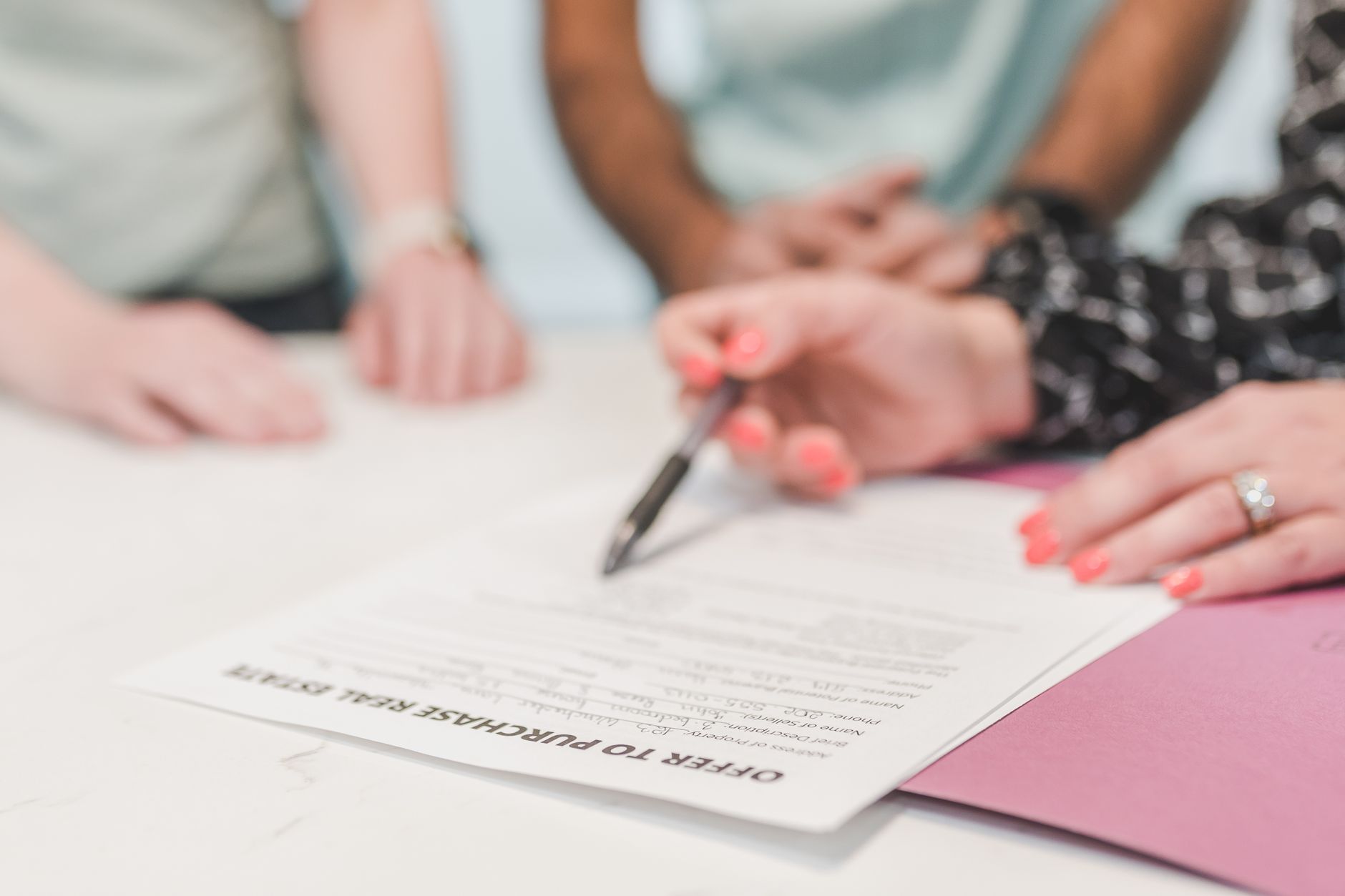
Not Preparing for Questions About the Offer Process
First-time buyers who love a home will immediately want to know, “What happens next?” If you cannot clearly and confidently walk them through the offer process, you lose credibility. Have a concise explanation ready, and consider using a tool like RLTRsync’s Offer Management platform to show buyers (and their agents) how organized and transparent your process is when offers come in.
Frequently Asked Questions
What should an agent prepare differently for first-time home buyers at an open house?
Agents should prepare educational materials like a home buying process timeline, a glossary of real estate terms, estimated closing cost breakdowns, and down payment assistance program information. First-time buyers benefit from a more consultative approach where the agent serves as both a property guide and an educator about the overall buying process. Having a well-organized digital sign-in system also helps capture these high-value leads accurately.
How do I capture better leads at open houses?
Switch from paper sign-in sheets to a digital platform that captures complete, accurate contact information along with qualifying data like buying timeline and pre-approval status. Digital sign-in tools also help with compliance by embedding required disclosures into the check-in process. Accurate lead data means better segmentation and more effective follow-up after the event.
What questions should I ask first-time buyers at an open house?
Start with open-ended questions like “What brings you out to open houses today?” and “Is this your first time attending an open house?” Then ask qualifying questions about their timeline, whether they have been pre-approved, and if they are working with an agent. These questions help you tailor your conversation and determine how to follow up most effectively.
How soon should I follow up after an open house?
Follow up within 24 hours of the open house. Send a personalized message referencing your conversation, include a link to the property listing, and offer relevant next steps based on where the buyer is in their journey. Leads contacted within the first day are significantly more likely to convert than those contacted later in the week.
Do I need different open house materials for first-time buyers versus experienced buyers?
Yes. While standard property flyers and disclosure documents are appropriate for all visitors, first-time buyers benefit from additional educational materials such as a home buying process overview, a real estate terminology glossary, and information about financing options and down payment assistance programs. Packaging these into a branded welcome packet adds professionalism and value.
Ready to Elevate Your Open House Experience?
From digital sign-in and lead capture to automated compliance and follow-up, RLTRsync gives real estate agents the tools to run smarter, more professional open houses that convert first-time buyers into lifelong clients.




 Icon On The Top Right Is the Menu For Your Card. This Is Where You can edit your card and log into your dashboard.