The most successful real estate agents know that a one-size-fits-all approach to open houses simply does not work. Implementing thoughtful seasonal open house strategies allows you to adapt your marketing, staging, scheduling, and lead capture methods to match buyer behavior throughout the year. Whether you are navigating a hot spring market or a quieter winter season, understanding how to adjust your open house approach for every market cycle can be the difference between a packed sign-in sheet and an empty living room.
Why Seasonality Matters for Open Houses
Real estate has always been influenced by seasons, and the data backs this up. According to the National Association of Realtors (NAR), existing home sales tend to peak between May and July, while the lowest transaction volumes typically occur in January and February. These patterns directly impact how many people will walk through your open house doors and what kind of buyers you will encounter.
Seasonality affects more than just foot traffic. It influences buyer motivation, the competitive landscape, staging choices, daylight availability, and even the emotional tone of how a home feels when prospects walk in. Agents who recognize and plan for these shifts gain a measurable edge over those who run the same open house playbook all year long.
Beyond the calendar, broader market cycles also play a role. A spring open house in a buyer’s market looks very different from one in a seller’s market. The key is to layer seasonal awareness with market condition awareness so you can make smart, data-driven decisions about timing, presentation, and follow-up.
Spring: Capitalizing on Peak Season Energy
Spring is the most active season in residential real estate, and for good reason. Warmer weather, longer days, and families wanting to close before the next school year all create a surge in buyer activity. This is the season to go all in on your open house efforts.
Scheduling and Timing
With daylight extending into the evening, spring gives you more flexibility in scheduling. Weekend afternoon open houses between 1:00 PM and 4:00 PM remain the standard, but consider adding weekday evening events from 5:00 PM to 7:00 PM to capture working professionals. The extra daylight means prospects can still appreciate curb appeal and outdoor spaces during these later time slots.
Staging and Presentation
Spring staging should emphasize freshness and natural light. Open every curtain and blind, place fresh flowers throughout the home, and make sure the yard is freshly mowed and landscaped. Buyers in spring are often comparing multiple properties, so first impressions carry extra weight.
- Power wash driveways, walkways, and patios before the event
- Add potted plants or window boxes to boost curb appeal
- Use light, neutral scents rather than heavy candles
- Stage outdoor living areas with furniture and accessories
Marketing and Outreach
Competition for buyer attention is fierce in spring. You need to amplify your marketing beyond standard MLS listings. Promote your open house across social media platforms, send targeted email campaigns to your database, and use geo-targeted digital ads to reach active buyers in the area. Partner with local businesses for cross-promotion, such as a coffee shop providing samples at your event.
Summer: Beating the Heat and Competition
Summer remains active, but it comes with unique challenges. Families may be traveling, temperatures can be uncomfortable, and the initial spring rush starts to taper. Your seasonal open house strategies for summer should focus on convenience, comfort, and standing out from the crowd.
Timing Adjustments
In warmer climates, avoid scheduling open houses during the hottest part of the day. Morning slots from 10:00 AM to 12:00 PM or late afternoon from 4:00 PM to 6:00 PM can be more appealing. In moderate climates, standard afternoon windows still work well, but always ensure the home’s air conditioning is running well before guests arrive.
Beating the Summer Slump
Buyer urgency often decreases in mid to late summer, especially after the Fourth of July. To counteract this, create a sense of exclusivity or event energy around your open houses. Consider offering light refreshments, hosting themed events such as ice cream socials, or partnering with a local lender to provide on-site pre-qualification consultations.
- Ensure the home is cool and comfortable at least 30 minutes before the open house
- Provide cold water, lemonade, or other refreshments
- Highlight summer-friendly features like pools, patios, and outdoor kitchens
- Use bright, high-energy marketing imagery that evokes summer living
Dealing with Vacation Schedules
Many serious buyers travel during summer, so attendance can be unpredictable. Supplement in-person events with virtual open house options, such as live video walkthroughs on social media or pre-recorded tours that can be shared with prospects who could not attend. This extends your reach beyond those physically present.
Fall: Leveraging Urgency and Cozy Appeal
Fall is an underrated season for open houses. While transaction volume decreases compared to spring and summer, the buyers who are active in fall tend to be more motivated. Many want to close before the holidays, relocating employees may be on tight timelines, and inventory levels often drop, reducing competition for your listing.
Creating Emotional Connection
Fall staging is all about warmth and comfort. This is the season where you can make a home feel truly inviting. Think warm lighting, soft throws on couches, a fireplace with a gentle fire (real or electric), and seasonal accents that are tasteful without being over the top.
- Use warm, ambient lighting to compensate for shorter days
- Add seasonal touches like a bowl of apples or small pumpkins on the kitchen island
- Bake cookies or use a subtle cinnamon scent to create a welcoming atmosphere
- Keep autumn leaves raked and the yard tidy
Adjusted Scheduling
Daylight savings time changes the game in fall. As days get shorter, you lose the option for evening open houses. Move events earlier in the day, ideally starting no later than 1:00 PM to ensure guests can see the property and its exterior in natural light. Sunday open houses often perform better in fall because Saturday mornings are filled with youth sports and other family activities.
Targeting Motivated Buyers
Fall buyers tend to be more serious. Your follow-up strategy should reflect this. Be prepared to respond quickly, provide detailed property information, and offer private showings within 24 to 48 hours of the open house. The window to convert these leads is shorter because their timelines are often compressed.
Winter: Turning Slow Season Into Opportunity
Winter is when many agents pull back on open houses, but this creates opportunity for those willing to stay active. Fewer listings mean less competition, and the buyers who are out looking in December, January, and February are often the most motivated of any season.
Overcoming Winter Challenges
The biggest hurdles in winter are weather, shorter days, and lower overall buyer activity. Address these head-on with intentional planning. Ensure walkways and driveways are clear of ice and snow. Turn on every light in the home and use supplemental lamps in darker corners. Set the thermostat to a comfortable temperature well before guests arrive.
- Shovel and salt all walkways the morning of your event
- Place a doormat and shoe storage area near the entrance for wet boots
- Use holiday decor sparingly to help buyers envision the space year-round
- Highlight energy-efficient features like insulation, new windows, and programmable thermostats
Winter Scheduling Considerations
With limited daylight, schedule open houses during the brightest part of the day, typically between 11:00 AM and 2:00 PM. Avoid scheduling on major holiday weekends, but the weekends immediately after holidays can be surprisingly productive as buyers return from travel with renewed motivation.
Marketing to Motivated Winter Buyers
Winter buyers often include job relocators, investors, and people whose life circumstances (divorce, estate sales, growing families) require them to act regardless of the season. Tailor your messaging to emphasize value, opportunity, and the advantage of buying when competition is lower. According to HousingWire, agents who maintain consistent marketing during slower months often see stronger lead pipelines heading into spring.
Adapting to Buyer and Seller Market Conditions
Seasonal timing is only half the equation. The broader market cycle, whether conditions favor buyers or sellers, significantly impacts how you should structure your open house events.
Seller’s Market Adjustments
In a seller’s market with low inventory and high demand, open houses can become crowded, competitive events. This creates both opportunities and challenges. You may receive multiple offers, but you also need to manage crowds, maintain security, and ensure every visitor gets adequate attention.
- Use a structured sign-in system to capture every lead efficiently
- Set clear expectations about the offer timeline during conversations
- Consider hosting multiple open house events across one weekend to manage flow
- Use a streamlined offer management platform to handle the volume of incoming offers professionally
Buyer’s Market Adjustments
When inventory is high and buyers have leverage, your open house needs to work harder to differentiate the listing. Focus on creating experiences rather than simple walkthroughs. Provide detailed neighborhood information, offer refreshments, and prepare professional marketing materials that showcase the property’s unique value proposition.
- Prepare comparison sheets that highlight your listing’s advantages over competing homes
- Offer incentive information such as seller concessions or rate buydown options
- Create takeaway packets with floor plans, utility cost estimates, and neighborhood amenities
- Follow up within hours, not days, since buyers have plenty of other options
Using Technology to Optimize Year-Round Results
Modern technology can amplify the effectiveness of your seasonal open house strategies regardless of what time of year it is. The right tools help you capture more leads, follow up faster, and present a more professional image at every event.
Digital Sign-In and Lead Capture
Paper sign-in sheets are unreliable in every season. Illegible handwriting, incomplete contact information, and the inability to follow up quickly all cost you leads. A digital sign-in platform like EntryPointPro solves these problems by providing QR code check-in, automated document processing, and instant lead capture that works flawlessly whether you have five visitors or fifty.
Digital sign-in is especially valuable during high-traffic spring and summer events when managing large crowds makes it easy to lose track of individual prospects. In slower winter months, it ensures that every single visitor, no matter how few, is captured and followed up with promptly.
Virtual and Hybrid Open Houses
Technology enables you to extend the reach of your open house beyond those who attend in person. Live streaming on platforms like Facebook Live or Instagram, combined with virtual tour links, allows you to reach buyers who cannot attend due to weather, travel, or distance. This is particularly powerful during winter months and in relocation markets.
Digital Business Cards for Networking
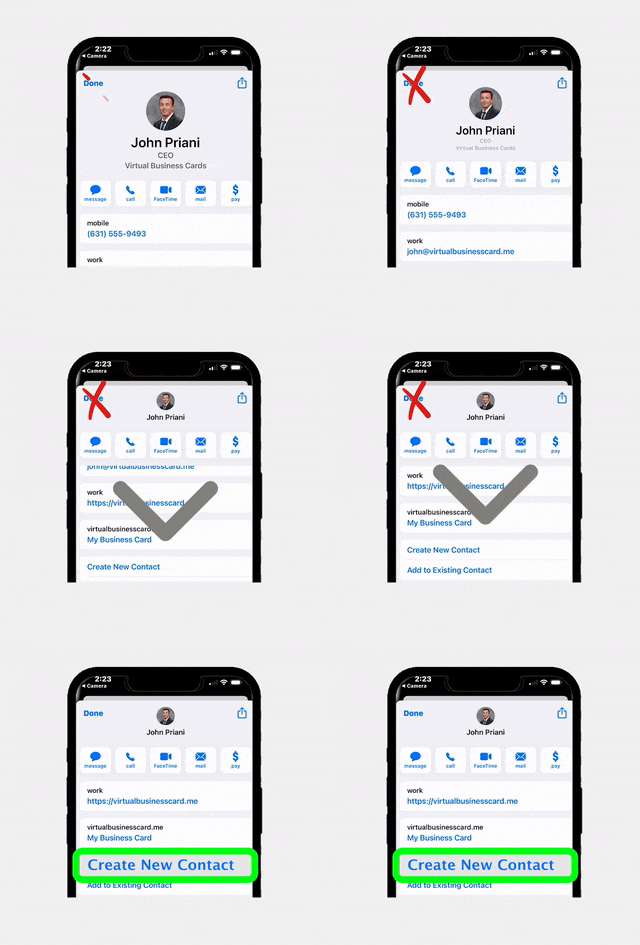
Every open house is a networking opportunity, not just for the property you are showing, but for your personal brand. Instead of handing out paper cards that get lost, use RealConnect digital business cards to instantly share your contact information with prospects. A quick tap or scan ensures your details end up in their phone rather than their trash can.
Automated Follow-Up
Speed of follow-up is one of the most critical factors in converting open house leads into clients. According to Inman News, leads contacted within five minutes are significantly more likely to convert than those contacted even 30 minutes later. Automated follow-up tools that trigger emails or texts immediately after sign-in give you a substantial advantage.
Tracking and Measuring Seasonal Performance
You cannot improve what you do not measure. Tracking your open house performance across seasons gives you the data you need to refine your seasonal open house strategies over time and allocate your time and marketing budget more effectively.
Key Metrics to Track
Start by establishing a baseline for each season and then compare year over year. The most important metrics include:
- Attendance count – total visitors per event
- Lead quality score – percentage of visitors who are pre-approved or actively searching
- Follow-up response rate – how many leads respond to your post-event outreach
- Conversion rate – leads who become clients or make offers
- Cost per lead – total marketing spend divided by leads captured
- Time to first contact – average time between sign-in and your first follow-up
Building a Seasonal Playbook
After tracking these metrics for a full year, you will start to see patterns specific to your market. Perhaps your Tuesday evening spring events outperform Saturday afternoon ones. Maybe your winter twilight open houses generate higher-quality leads despite lower foot traffic. Use this data to build a personalized seasonal playbook that evolves each year.
Document what works and what does not for each season, including staging approaches, marketing channels, scheduling times, and follow-up scripts. Over time, this playbook becomes one of your most valuable business assets.
Adjusting Your Annual Calendar
Use your performance data to plan your annual open house calendar proactively rather than reactively. Block out key dates at the beginning of each year, allocate your marketing budget proportionally to seasonal performance, and pre-plan your staging and marketing materials so you are never scrambling at the last minute.
Frequently Asked Questions
What is the best season for hosting an open house?
Spring is traditionally the most active season for real estate, offering the highest buyer traffic and longest daylight hours. However, each season has unique advantages. Winter and fall open houses often attract more motivated buyers with shorter timelines. The best approach is to stay active year-round and adjust your strategy to match seasonal buyer behavior and market conditions.
How do I get more visitors to my open house during the winter?
Focus on targeted digital marketing to reach active winter buyers, who are often relocators or people with time-sensitive needs. Promote the event heavily on social media and through email campaigns. Make the home warm, bright, and inviting to counter the cold weather. Consider offering virtual attendance options for those who cannot or prefer not to travel in poor conditions.
Should I change my open house time based on the season?
Yes. In spring and summer, you can schedule events into the early evening thanks to extended daylight. In fall and winter, move events earlier in the day, ideally between 11:00 AM and 2:00 PM, to take advantage of natural light. Always consider your local climate and buyer demographics when selecting your time slot.
How do seasonal open house strategies differ in a buyer’s market versus a seller’s market?
In a seller’s market, open houses tend to draw large crowds regardless of season, so your focus shifts to crowd management and efficient lead capture. In a buyer’s market, you need to work harder to differentiate your listing through staging, experience, and targeted marketing. Layering these market cycle adjustments with seasonal timing gives you the most effective overall strategy.
What technology should I use at every open house?
At minimum, use a digital sign-in platform to capture visitor information accurately and instantly. A tool like EntryPointPro provides QR code check-in, automated document handling, and lead capture that eliminates the problems of paper sign-in sheets. Additionally, consider digital business cards for personal branding, social media live streaming for extended reach, and automated follow-up systems for faster lead conversion.
Capture Every Open House Lead, Every Season
Stop losing leads to illegible sign-in sheets and slow follow-up. EntryPointPro gives you digital check-in, automated compliance documents, and instant lead capture that works in every season and market condition.




 Icon On The Top Right Is the Menu For Your Card. This Is Where You can edit your card and log into your dashboard.