Building a successful real estate career depends on more than just market knowledge and closing skills. The agents who consistently outperform their peers have mastered the art of relationship building, and that starts with solid real estate networking tips that go beyond exchanging business cards at a mixer. Whether you are a new agent trying to build your sphere of influence or a seasoned professional looking to expand your referral pipeline, the strategies you use to connect with others can make or break your business growth.
Why Networking Still Matters in Real Estate
In an era of online lead generation, social media advertising, and AI-powered CRM systems, you might wonder if face-to-face networking is still relevant. The answer is a resounding yes. According to the National Association of Realtors, referrals from friends, family, and other agents remain one of the top ways buyers and sellers find their real estate professional. This means your network is quite literally your net worth in this industry.
Real estate is fundamentally a relationship-driven business. Buyers and sellers are making one of the most significant financial decisions of their lives, and they want to work with someone they trust. That trust is most often established through personal connections, whether it is a recommendation from a mutual friend, a conversation at a community event, or a follow-up coffee meeting after a local business mixer.
Networking also opens doors to collaboration opportunities with other industry professionals. Mortgage lenders, home inspectors, title companies, contractors, and fellow agents can all become valuable referral partners. Building a reliable network of these professionals not only provides value to your clients but also creates a reciprocal referral system that fuels your pipeline year-round.
Build Your Networking Foundation First
Before you attend your next mixer, conference, or open house, take time to prepare. The most effective real estate networking tips all start with the same principle: be intentional. Walking into an event without a plan often leads to surface-level conversations that go nowhere.
Define Your Ideal Connections
Not every contact is equally valuable to your business. Think about who you most want to meet. Are you looking for referral partners like mortgage brokers and financial planners? Are you hoping to connect with investors in a specific market? Perhaps you want to build relationships with relocation specialists in other cities. Defining your ideal connections helps you choose the right events and focus your energy during conversations.
Craft Your Elevator Pitch
You need a concise, memorable way to introduce yourself that goes beyond “I’m a real estate agent.” Your pitch should highlight what makes you unique and the specific value you provide. For example, instead of saying “I sell houses in Austin,” try “I help first-time homebuyers in Austin navigate the process from pre-approval to closing so they feel confident every step of the way.” This specificity makes you memorable and signals expertise.
Prepare Your Digital Presence
Today’s networking does not end when you leave the room. Your new contacts will likely look you up online before responding to your follow-up message. Make sure your LinkedIn profile, social media accounts, and website all reflect a consistent, professional brand. Having a polished digital business card from RealConnect ensures that when you share your contact information, it looks professional and includes all the links and details a new connection needs to learn more about you.
Top Tips for In-Person Networking Events
In-person events remain the gold standard for building deep, trust-based relationships. Here are proven real estate networking tips for making the most of every event you attend.
Choose the Right Events
Not all networking events are created equal. Focus on events where your target audience or ideal referral partners will be present. Consider these options:
- Local chamber of commerce meetings where you can meet small business owners and community leaders
- Real estate investor meetups for connecting with potential buyer clients
- Industry conferences like those hosted by the National Association of Realtors for building agent-to-agent referral networks
- Community events and charity fundraisers where you meet people in a relaxed setting
- Open houses which serve double duty as both property showcases and networking opportunities
Lead With Curiosity, Not a Sales Pitch
The biggest mistake agents make at networking events is talking too much about themselves. The most effective networkers are the ones who ask great questions and genuinely listen. Ask people about their business, their challenges, and their goals. When you show real interest in someone else, they naturally want to learn more about you in return.
Try questions like: “What is the biggest challenge in your business right now?” or “How do you typically find new clients?” These open-ended questions lead to meaningful conversations and help you identify ways you might be able to help each other.
Use Open Houses as Networking Goldmines
Open houses are one of the most overlooked networking opportunities in real estate. Every visitor who walks through the door is a potential client, referral source, or neighborhood contact. The key is having a system to capture their information efficiently so you can follow up.
Using a tool like EntryPointPro transforms your open house sign-in process with QR code check-in and automated lead capture. Instead of relying on illegible paper sign-in sheets, you collect accurate contact information digitally, allowing you to follow up the same day with personalized messages. This turns casual open house visitors into real connections in your database.
Leveraging Digital Tools to Strengthen Your Network
Modern networking extends far beyond in-person events. Digital tools allow you to maintain relationships at scale, stay top of mind, and present yourself professionally in every interaction.
Optimize Your LinkedIn Profile
LinkedIn is the most important social network for professional relationship building. Make sure your profile includes a professional headshot, a compelling headline that goes beyond your job title, and a summary that speaks to the value you provide. Engage regularly by commenting on posts from your connections, sharing market insights, and publishing original content about your local market.
Leverage Social Media Strategically
While LinkedIn is ideal for professional networking, platforms like Instagram and Facebook are excellent for building community connections. Share behind-the-scenes content from your listings, celebrate client milestones with their permission, and engage authentically with local businesses and community pages. These interactions build familiarity and trust with people who may eventually need a real estate agent.
Upgrade Your Contact Exchange
The moment you exchange contact information with someone is a critical networking touchpoint. Fumbling with paper cards or asking someone to spell their email address creates friction. RealConnect digital business cards solve this problem by letting you share your complete professional profile with a single tap or QR code scan. Your new contact instantly has your phone number, email, website, social links, and current listings, all in one place.
Use a CRM to Track Relationships
The agents who succeed at networking are the ones who treat their contact database as a living, breathing asset. Every new connection should be entered into your CRM with notes about where you met, what you discussed, and any follow-up actions. Set reminders to check in regularly, and segment your contacts so you can send relevant updates to different groups.
How to Follow Up and Nurture New Connections
Meeting someone is only the beginning. The real value in networking comes from what happens after the initial conversation. Yet according to research from Inman News, most agents fail to follow up with new contacts within 48 hours, missing a critical window of opportunity.
The 48-Hour Rule
Always follow up within 48 hours of meeting someone new. The longer you wait, the less likely they are to remember you. Your follow-up does not need to be elaborate. A simple message like, “It was great meeting you at the chamber event last night. I enjoyed hearing about your business and would love to grab coffee sometime to continue our conversation,” is enough to keep the door open.
Provide Value Before Asking for Anything
The fastest way to turn a new contact into a loyal connection is to give before you ask. Share a helpful article, make an introduction to someone in your network they might benefit from, or send a market update for their neighborhood. When you consistently provide value without expecting anything in return, you become the kind of person others want to refer business to.
Create a Nurture Schedule
Not every contact is ready to buy, sell, or refer business to you right away. Develop a system for staying in touch over time:
- Monthly: Send a market update newsletter or local community spotlight
- Quarterly: Reach out personally to your top referral partners and sphere of influence
- Annually: Send a personalized note, holiday card, or small gift to your most valuable connections
- Ongoing: Engage with their social media content, congratulate them on milestones, and share relevant information
Track Your Referral Sources
Understanding where your referrals come from helps you double down on your most productive networking activities. Keep detailed records of which connections refer business to you, and make sure to express gratitude every time. A handwritten thank-you note after receiving a referral goes a long way toward ensuring more referrals in the future.
Networking Mistakes That Cost Agents Deals
Even experienced agents sometimes fall into networking traps that undermine their efforts. Here are the most common mistakes to avoid.
Being Too Transactional
Nobody wants to feel like a lead in someone’s sales funnel. If every conversation you have is angled toward getting a listing or closing a deal, people will sense it and pull away. Focus on building genuine relationships first. The business will follow naturally when people know, like, and trust you.
Only Networking When You Need Business
The worst time to start networking is when your pipeline is empty. Networking is a long-term strategy that requires consistent effort. The agents who maintain their relationships during busy seasons are the ones who never experience dramatic income swings. Make networking a weekly habit, not a last resort.
Neglecting Your Existing Network
Many agents are so focused on meeting new people that they forget to nurture the relationships they already have. Your past clients, current sphere of influence, and existing referral partners are your most valuable networking assets. A single past client who raves about your service is worth more than a hundred business cards from strangers.
Failing to Have a Professional Presence
When you meet someone promising at a networking event and they look you up online, what do they find? An outdated website, inconsistent branding, or no online presence at all can undo all the rapport you built in person. Invest in a cohesive professional image across all touchpoints, from your digital business card to your social media profiles to your email signature.
Turning Connections Into Referrals and Revenue
The ultimate goal of networking is not just to collect contacts but to build a system that consistently generates business. Here is how to bridge the gap between making connections and earning revenue from them.
Become the Go-To Expert
Position yourself as the authority in your niche or market area. When your network thinks of real estate in your area, your name should be the first that comes to mind. You achieve this by consistently sharing valuable market insights, being responsive and reliable, and delivering exceptional service to every client. Your reputation is your greatest networking asset.
Build Strategic Referral Partnerships
Identify professionals who serve the same clients you do but in non-competing capacities. Mortgage brokers, financial advisors, divorce attorneys, estate planning lawyers, home inspectors, and relocation companies are all excellent referral partners. Formalize these relationships by meeting regularly, referring business to each other, and co-hosting events or webinars.
Systematize Your Offer Process
When your networking efforts generate leads that turn into active buyers, having a streamlined process for managing offers demonstrates professionalism and builds confidence. Tools like RLTRsync’s Offer Management platform help you manage multiple offers efficiently, keeping all parties informed and organized. This level of professionalism leads to smoother transactions and more referrals from satisfied clients.
Ask for Referrals the Right Way
Most agents are afraid to ask for referrals, but your satisfied clients and trusted contacts genuinely want to help you succeed. The key is timing and approach. After a successful closing, simply say, “I truly enjoyed working with you. If you know anyone else who could benefit from the same kind of support, I would be honored if you passed along my name.” Make it easy by sharing your digital business card so they can forward your contact details with a single tap.
Measure and Refine Your Strategy
Track which networking activities produce the most connections, referrals, and closed deals. Over time, you will notice patterns. Perhaps local charity events yield more productive connections than formal business mixers, or maybe your LinkedIn engagement generates more referral conversations than in-person events. Use this data to refine your real estate networking tips and focus your time on what works best.
Frequently Asked Questions
How often should real estate agents attend networking events?
Aim for at least two to four networking events per month, mixing different types such as industry conferences, community events, and one-on-one coffee meetings. Consistency matters more than volume. It is better to attend two events per month consistently than to attend ten events one month and none the next. The key is making networking a regular part of your business routine rather than an occasional activity.
What are the best real estate networking tips for new agents?
New agents should start by leveraging their existing personal network, including friends, family, former colleagues, and community contacts. Let everyone know you are in real estate and how you can help. Attend local events, join your chamber of commerce, volunteer in the community, and connect with experienced agents who can mentor you. Focus on building genuine relationships rather than making immediate sales, and always follow up within 48 hours of meeting someone new.
How can digital business cards help with real estate networking?
Digital business cards eliminate the limitations of paper cards by providing a dynamic, shareable profile that includes your photo, contact details, social media links, current listings, and more. They make it easy for new contacts to save your information instantly, and you can update your card anytime without reprinting. Tools like RealConnect allow real estate professionals to share their card via QR code or text, creating a seamless and professional first impression that leads to better follow-up rates.
What is the most effective way to follow up after a networking event?
Send a personalized message within 48 hours referencing something specific from your conversation. Avoid generic messages like “Nice to meet you.” Instead, mention a topic you discussed or offer something of value, such as an article or introduction. Connect on LinkedIn and engage with their content. Then add them to your CRM with notes and a follow-up schedule to nurture the relationship over time.
How do open houses work as networking opportunities?
Open houses attract not only potential buyers for the listed property but also neighbors, curious browsers, and potential sellers who are evaluating the market. Each visitor represents a networking opportunity. By using digital sign-in tools like EntryPointPro, you capture accurate contact information from every visitor, enabling personalized follow-up. Conversations at open houses are natural and low-pressure, making them ideal for building new relationships in specific neighborhoods.
Ready to Level Up Your Real Estate Networking?
From digital business cards that make unforgettable first impressions to open house tools that capture every lead, RLTRsync gives you the technology to turn every connection into an opportunity.



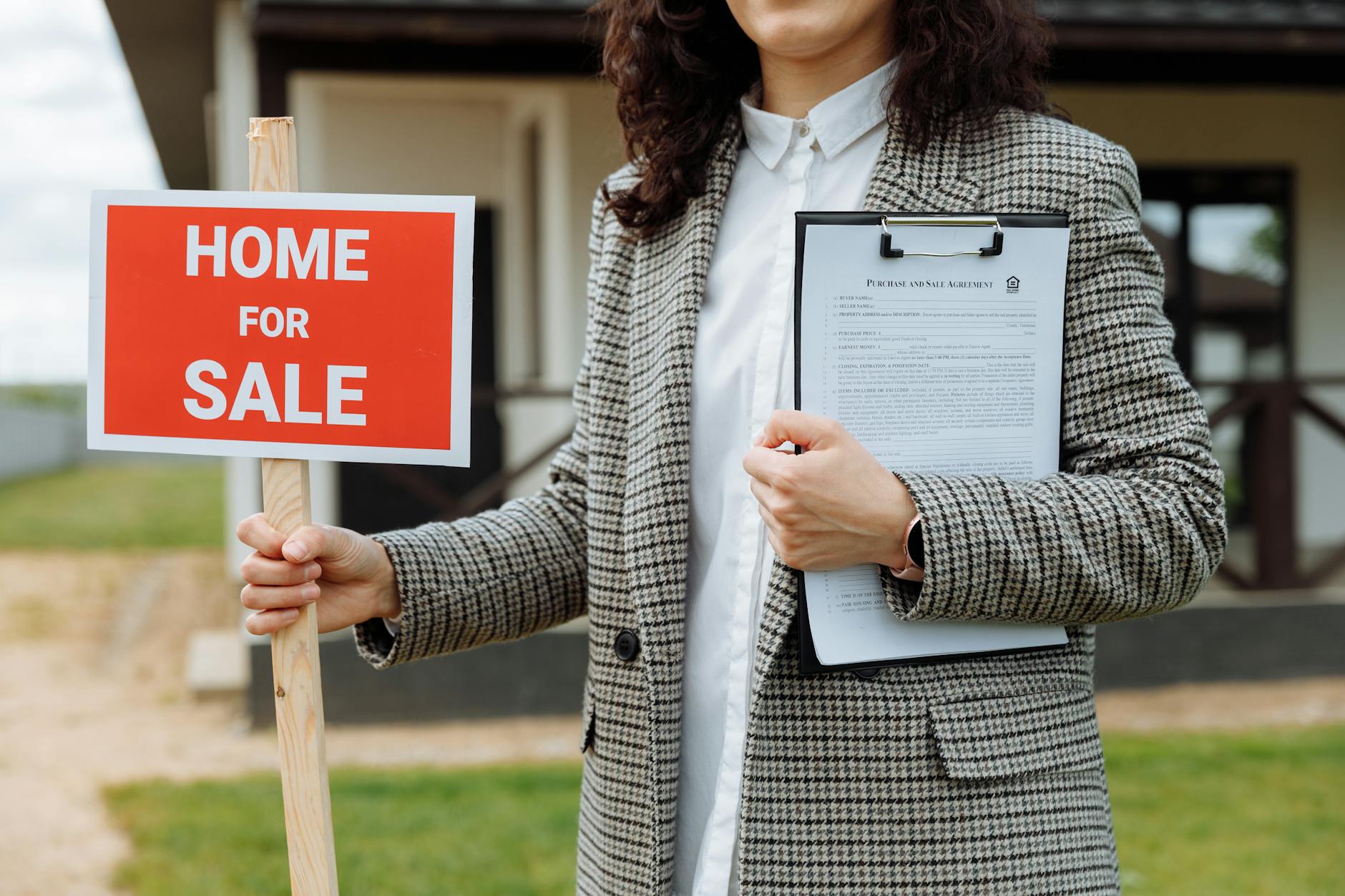


 Icon On The Top Right Is the Menu For Your Card. This Is Where You can edit your card and log into your dashboard.