Converting open house leads into actual clients is one of the biggest challenges real estate agents face, and the first 24 hours after your event are absolutely critical. Studies consistently show that the faster you follow up with a prospect, the more likely they are to engage. Yet many agents let hours or even days slip by before reaching out. In this guide, we will walk you through a step-by-step approach to following up with every open house lead within that crucial first-day window, so you can build relationships, earn trust, and close more deals.
Why the First 24 Hours Matter for Open House Lead Follow-Up
There is a reason seasoned agents treat the hours after an open house like a sprint. According to research from the National Association of Realtors (NAR), buyers who receive a response within the first hour are seven times more likely to have a meaningful conversation with the agent than those contacted even one day later. The speed of your response signals professionalism, attentiveness, and genuine interest in helping the prospect.
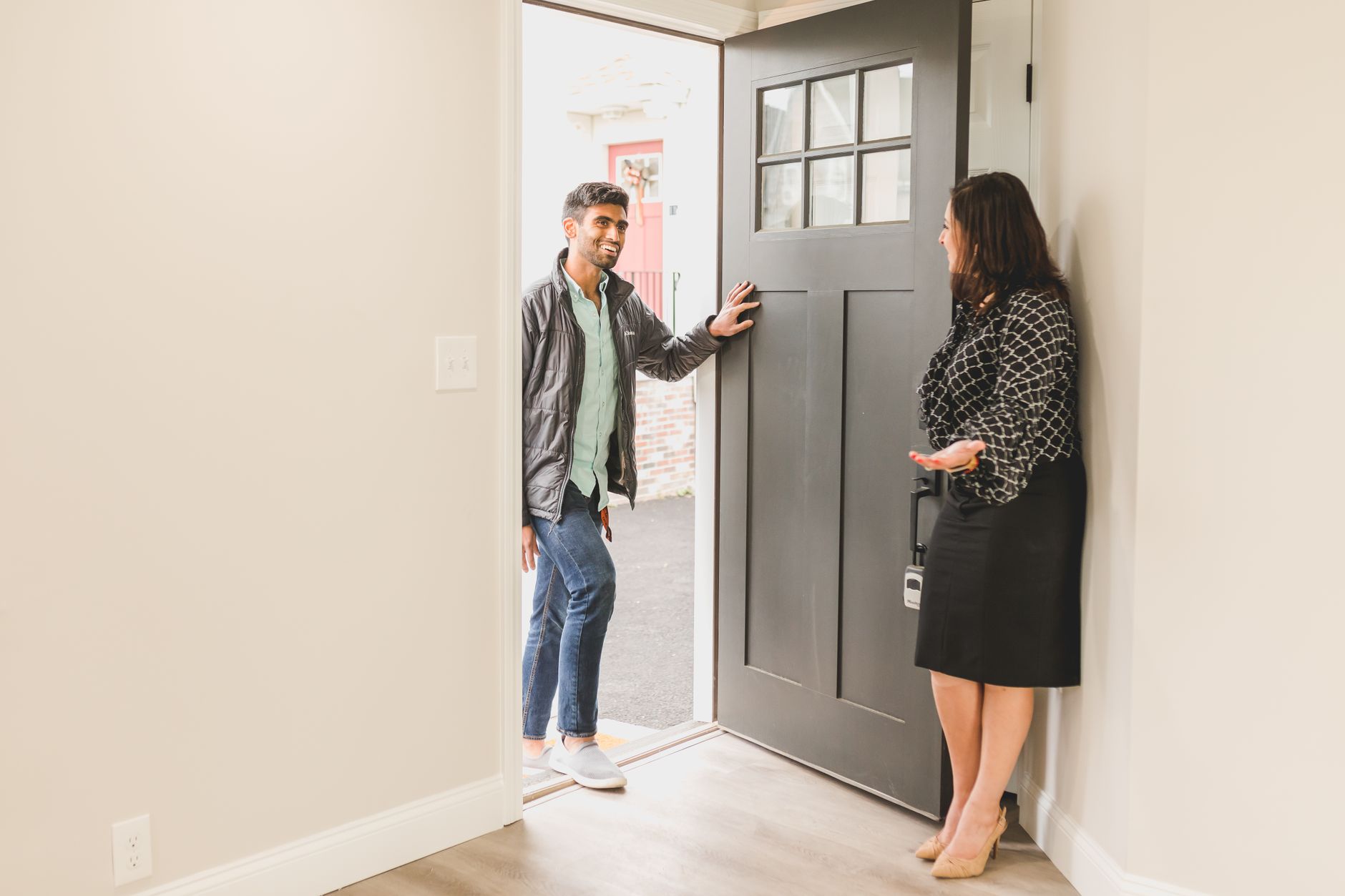
Think about the visitor’s mindset. They have just walked through a property, imagined themselves living there, and possibly shared personal details on your sign-in sheet. Their interest is at its peak. Every hour that passes without contact allows that excitement to fade and gives competing agents an opportunity to step in. The first 24 hours represent a window where your face, your name, and the property are still fresh in their memory.
Beyond the psychological factors, speed also matters for practical reasons. Open house visitors often tour multiple properties in a single weekend. If you are the first agent to follow up with a warm, personalized message, you immediately differentiate yourself from every other agent who handed them a flyer and never called.
Organize Your Leads Before You Follow Up
Before you fire off a single email or make a phone call, take 15 to 20 minutes to organize the information you collected during the open house. Attempting to follow up without a plan often leads to generic messages that fall flat. A little preparation goes a long way.
Categorize by intent level
Not every visitor at your open house is at the same stage in their buying journey. Sort your open house leads into at least three tiers:
- Hot leads: Visitors who asked detailed questions about the property, discussed financing, or mentioned an urgency to move. These people deserve an immediate, personalized follow-up.
- Warm leads: Visitors who showed genuine interest but are still exploring options. They may have mentioned they are “just starting to look” or comparing neighborhoods.
- Cold or casual leads: Neighbors, curious passersby, or people who were vague about their intentions. They still deserve a follow-up, but the approach will be different.
Review and clean up your sign-in data
If you are still using paper sign-in sheets, you know the pain of deciphering handwriting and dealing with incomplete information. Illegible phone numbers or missing email addresses can cost you valuable opportunities. This is one reason many agents are switching to digital sign-in tools like EntryPointPro, which captures clean, accurate contact information through QR code check-in and automatically organizes your leads for follow-up.
Add context notes
While the open house is still fresh in your mind, jot down notes about each visitor. Did someone mention they love the backyard? Were they concerned about school districts? Did they mention selling their current home first? These details will help you personalize every follow-up touchpoint.
Crafting the Perfect Follow-Up Email
Email is usually the first follow-up channel you should use because it is low-pressure, easy for the recipient to respond to at their convenience, and allows you to include helpful resources. The goal of your first email is simple: remind the visitor who you are, reference the property, and open the door for further conversation.
Subject line best practices
Your subject line determines whether the email gets opened. Keep it specific and relevant. Here are a few examples that work well:
- “Great meeting you at [Property Address] today”
- “Your visit to [Property Address], a quick follow-up”
- “[First Name], thanks for stopping by the open house”
Avoid generic subjects like “Open house follow-up” or anything that sounds automated. The more specific and personal, the better your open rate will be.
Email body structure
Keep your email concise but valuable. A strong follow-up email includes these elements:
- A warm greeting: Reference the open house and the property address so they remember the context.
- A personalized detail: Mention something specific you discussed. “You mentioned you loved the open floor plan” is far more effective than a generic template.
- Helpful resources: Include a link to the full listing, a neighborhood guide, or comparable properties they might enjoy.
- A clear call to action: Ask a question that invites a reply. “Would you like me to send you a few similar listings in the area?” works better than “Let me know if you have questions.”
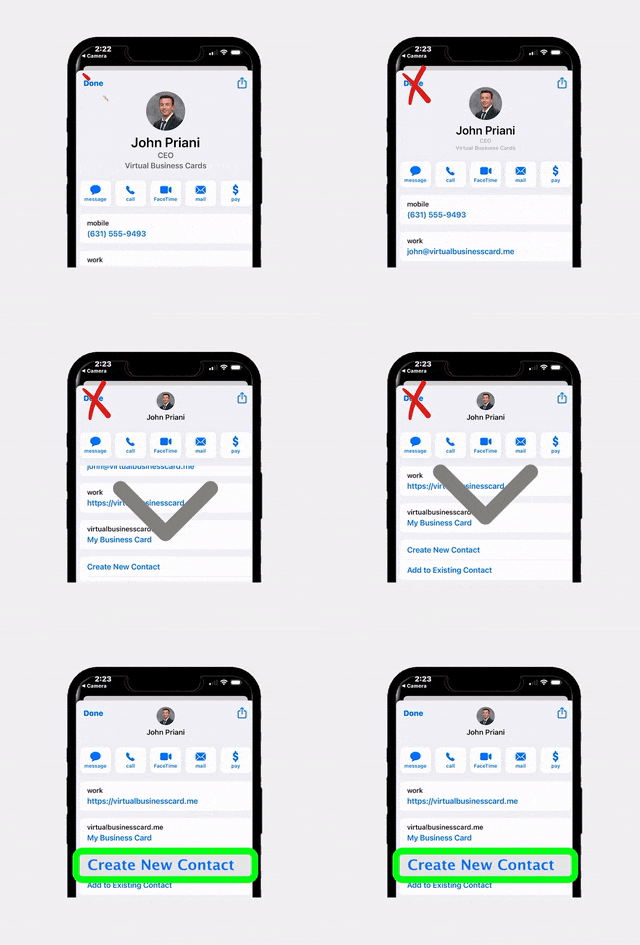
- Your contact information: Make it easy for them to reach you through whatever channel they prefer. A digital business card from RealConnect is a great way to share your full contact details, social profiles, and listings in a single tap.
Timing your email
For hot leads, send the email within one to two hours after the open house ends. For warm leads, aim for the same evening. For cold leads, the next morning is acceptable. The key is that every single visitor receives an email within 24 hours, no exceptions.
When and How to Make the First Phone Call
While email is a great starting point, a phone call adds a personal touch that is hard to replicate digitally. According to a study published by Inman News, real estate leads who receive a phone call within five minutes of an inquiry are 100 times more likely to be reached than those contacted after 30 minutes.
Who to call first
Prioritize your hot leads. These are the visitors who showed strong buying signals at the open house. If someone asked about the offer deadline, nearby schools, or HOA details, they are likely serious. Call them first.
What to say
Keep the call brief, friendly, and focused on them, not you. Here is a simple framework:
- Reintroduce yourself: “Hi [Name], this is [Your Name]. We met at the open house on [Street] earlier today.”
- Reference a detail: “I remember you were really interested in the kitchen renovation. I wanted to follow up and see if you had any questions.”
- Ask an open-ended question: “Are you actively looking in this area, or are you still in the early research phase?”
- Offer next steps: Based on their answer, suggest a private showing, a list of comparable homes, or a buyer consultation.
Handling voicemail
Most calls will go to voicemail, and that is perfectly fine. Leave a short, upbeat message that includes your name, a reference to the open house, and a reason to call back. Follow up the voicemail with a text message, which we will cover in the next section.
Text Message Follow-Up Strategies
Text messaging has become one of the most effective follow-up channels in real estate. Open rates for text messages hover around 98%, compared to roughly 20% for email. When used thoughtfully, texting can be an incredibly efficient way to connect with your open house leads.
Best practices for texting leads
- Keep it short: Text messages should be two to three sentences maximum. Get to the point quickly.
- Identify yourself: Always include your name and a reference to the open house. Receiving a text from an unknown number without context is off-putting.
- Ask a question: “Hi [Name], this is [Your Name] from the open house at [Address]. Did you have any questions about the property?” Simple, direct, and inviting.
- Respect boundaries: Do not text before 9 AM or after 8 PM. If someone asks you to stop texting, comply immediately.
When to text
Texting works best as a complement to email and phone calls, not a replacement. A good sequence might look like this:
- Send a follow-up email within one to two hours of the open house.
- Call hot leads within two to three hours.
- Send a text message to anyone who did not respond to your email or answer your call, ideally within four to six hours.
This multi-channel approach ensures that your message reaches the prospect through their preferred communication method.
Using Automation to Speed Up Response Time
One of the biggest barriers to fast follow-up is time. After hosting an open house, you might be tired, need to lock up the property, drive home, and handle other commitments. Automation can bridge the gap between the end of your event and the moment you sit down to do personalized outreach.
Automated thank-you messages
Setting up an automated email or text that fires immediately after someone signs in at your open house is a game-changer. This initial message does not need to be deeply personal. It simply acknowledges their visit, thanks them for attending, and lets them know you will be in touch soon. It buys you time while still making a positive first impression.
CRM integration
If your sign-in system integrates with your CRM, leads can flow directly into your pipeline without any manual data entry. This means you can have follow-up tasks, email sequences, and reminders automatically created the moment someone checks in. Digital platforms like EntryPointPro are designed with this kind of workflow in mind, helping agents automate the repetitive parts of lead management so they can focus on building relationships.
Drip campaigns for longer nurturing
Not every open house lead will convert immediately. For warm and cold leads, set up a drip email campaign that delivers value over time. This might include market updates for the neighborhood, new listing alerts, homebuyer tips, or invitations to future open houses. The goal is to stay in their inbox without being annoying.
Nurturing Leads Who Are Not Ready to Buy
A significant percentage of your open house visitors will not be ready to make a purchase right away. According to the NAR Home Buyer and Seller Generational Trends Report, the average buyer searches for about 10 weeks before making an offer. Some search for months. These leads are not dead, they are simply on a longer timeline, and the agent who stays in touch will be the one who earns their business.
Provide consistent value
The key to nurturing long-term leads is providing value without pressure. Here are some approaches that work:
- Monthly market updates: Send a brief email with local market stats, median prices, and inventory trends.
- New listing alerts: Set them up on an automated search that matches their criteria.
- Educational content: Share blog posts, guides, or videos about the homebuying process, mortgage tips, or neighborhood spotlights.
- Event invitations: Invite them to future open houses or community events you are hosting.
Stay connected through multiple channels
Email is great for nurturing, but do not forget about social media. Connect with leads on Instagram, Facebook, or LinkedIn where appropriate. Sharing your RealConnect digital business card makes it easy for prospects to find and follow you across all platforms with a single link.
Set follow-up reminders
Use your CRM to set reminders for periodic check-ins. A quick “Hey [Name], just wanted to see how your home search is going” message every four to six weeks keeps you on their radar without being intrusive. Consistency is what separates agents who convert long-term leads from those who lose them.
Common Follow-Up Mistakes to Avoid
Even well-intentioned agents can sabotage their follow-up efforts with a few common mistakes. Being aware of these pitfalls will help you stand out from the competition.
Waiting too long
This is the most obvious and most costly mistake. If you wait 48 hours or more to follow up, you have likely lost the lead to another agent or to their own fading interest. Commit to the 24-hour rule and stick to it.
Sending generic, impersonal messages
A templated email that says “Thanks for visiting the open house, let me know if I can help” does almost nothing. Personalization is what makes follow-up effective. Reference the property, mention something you discussed, and offer something specific.
Being too aggressive
There is a fine line between persistent and pushy. Calling three times in one day, sending multiple texts, or pressuring someone to schedule a showing before they are ready will drive leads away. Follow up with purpose and respect their pace.
Failing to follow up with “cold” leads
Many agents focus exclusively on hot leads and ignore everyone else. This is a mistake. That neighbor who “was just curious” might have a friend looking to move into the area. The casual visitor might become serious in three months. Every lead deserves at least one thoughtful follow-up.
Not tracking your efforts
If you are not logging your follow-up activities, you have no way to know what is working and what is not. Track open rates on your emails, note which leads responded and which did not, and adjust your approach over time. Data-driven follow-up consistently outperforms gut-feel follow-up.
Frequently Asked Questions
How quickly should I follow up with open house leads?
Ideally, you should send your first follow-up message within one to two hours after the open house ends. Hot leads, those who showed strong buying intent, should receive a phone call within two to three hours. Every visitor should receive at least an email within 24 hours. The faster you respond, the higher your chances of starting a meaningful conversation.
What is the best way to follow up, email, phone, or text?
The most effective approach uses all three channels in a coordinated sequence. Start with a personalized email, follow up with a phone call for your hottest leads, and use a text message for anyone who has not yet responded. Different people prefer different communication methods, so a multi-channel strategy ensures you reach everyone.
What should I say in my first follow-up message?
Keep it personal and concise. Reference the specific property, mention something you discussed with the visitor, provide a helpful resource like a listing link or neighborhood guide, and include a clear call to action such as a question that invites a reply. Avoid generic templates whenever possible.
How do I follow up with leads who are not ready to buy?
Place them on a long-term nurture sequence. Send monthly market updates, new listing alerts that match their criteria, and educational content about the buying process. Check in personally every four to six weeks. The goal is to stay top of mind so that when they are ready to buy, you are the first agent they think of.
How can digital sign-in tools help with open house follow-up?
Digital sign-in platforms like EntryPointPro capture accurate, legible contact information automatically, eliminating the problems associated with paper sign-in sheets. Many of these tools also integrate with CRMs and can trigger automated follow-up messages immediately after a visitor checks in, dramatically reducing your response time.
Capture Better Leads and Follow Up Faster
Stop losing open house leads to illegible handwriting and slow follow-up. EntryPointPro gives you clean, organized lead data the moment visitors check in, so you can start converting while interest is at its peak.



 Icon On The Top Right Is the Menu For Your Card. This Is Where You can edit your card and log into your dashboard.