Most real estate agents invest heavily in lead generation but completely neglect what happens after the keys are handed over. A well-designed post-closing follow-up system is the single most cost-effective strategy you can implement to grow your business. When you stay connected with past clients in a thoughtful, structured way, you create a self-sustaining engine that generates online reviews, warm referrals, and repeat transactions year after year. In this guide, you will learn exactly how to build that system from the ground up.
Why Most Agents Fail After Closing
According to the National Association of Realtors’ Profile of Home Buyers and Sellers, 73% of buyers say they would use their agent again, yet only 12% actually do. That gap represents an enormous missed opportunity, and it almost always comes down to a lack of consistent follow-up after the transaction ends.
There are a few common reasons agents drop the ball after closing:
- They chase new leads instead of nurturing existing relationships. The urgency of finding the next deal pushes past clients to the back burner.
- They lack a system. Without a structured process, follow-up becomes sporadic and inconsistent.
- They feel awkward reaching out. Many agents worry about being annoying, so they simply do nothing.
- They assume clients will remember them. Unfortunately, out of sight is out of mind, even after a great experience.
The reality is that acquiring a new client costs five to seven times more than retaining an existing one. Every client you close represents not just one transaction but a potential network of future buyers and sellers. When you fail to follow up, you are leaving significant revenue on the table.
Building Your Post-Closing Follow-Up Timeline
The key to an effective post-closing follow-up system is timing. You need to reach out at specific intervals when your contact will feel natural and appreciated rather than forced. Here is a proven timeline that balances frequency with value.
Day 1: The Closing Day Thank You
Send a handwritten thank-you card the same day you close. This is non-negotiable. In a digital world, a physical card stands out and creates a lasting impression. Keep it personal, mention something specific about their journey, and express genuine gratitude for their trust.
Day 3-5: The Welcome Home Gift
Deliver a thoughtful closing gift within the first week. Skip the generic wine basket and think about what your client would actually use. Some popular options include a gift card to a local restaurant near their new home, a smart home device, or a personalized doormat. The best gifts show that you listened and paid attention during the transaction.
Day 14: The Check-In Call
Call your client two weeks after closing to ask how the move went. This is a great time to ask if they have any questions about the home, their neighborhood, or any vendor recommendations they might need. This call also gives you a natural opening to ask for a review, which we will cover in the next section.
Day 30: The Review Request
By the one-month mark, your clients have settled in enough to reflect on their experience. This is the optimal time to send a formal review request via email or text with a direct link to your Google Business Profile or Zillow page.
Day 60-90: The Referral Conversation
After two to three months, circle back with a value-driven touchpoint. Share a neighborhood market update, home maintenance tips, or a list of trusted local service providers. At the end, include a soft referral ask.
Creating a Review Generation System That Works
Online reviews are the lifeblood of a modern real estate business. According to Inman News, over 90% of consumers read online reviews before choosing a service provider, and real estate is no exception. A systematic approach to collecting reviews will dramatically increase your conversion rate on listing presentations and buyer consultations.
Make It Easy
The number one reason clients do not leave reviews is friction. They intend to do it, but life gets busy and they forget. Remove every possible barrier by sending a direct link that takes them straight to the review submission page. Do not ask them to search for your profile, navigate through menus, or figure it out on their own.
Provide Gentle Guidance
Some clients freeze up when staring at a blank review box. Give them a simple framework by suggesting they mention what they were looking for, how you helped them, and what stood out about the experience. You are not writing the review for them, but you are removing the writer’s block that prevents many people from following through.
Use Multiple Channels
Send your review request via email, then follow up with a text message two days later if they have not responded. If you see them in person, mention it casually. People respond to different communication channels, so using more than one increases your success rate significantly.
Time It Right
As mentioned in the timeline above, the 14-day check-in call is your first opportunity, and the 30-day email is your formal request. Avoid asking for reviews on closing day when clients are overwhelmed with paperwork, logistics, and emotions. Let the dust settle first.
Respond to Every Review
When a client leaves you a review, respond publicly with a genuine, personalized thank-you. This shows future prospects that you are engaged, grateful, and professional. It also reinforces the relationship with the client who took the time to write it.
Turning Happy Clients into Referral Sources
Referrals are consistently ranked as the highest-quality leads in real estate. They convert at a higher rate, close faster, and typically involve less negotiation on commission. But referrals rarely happen on their own. You need to create the conditions that make referring you easy and top of mind.
Deliver a Remarkable Experience First
No follow-up system can compensate for a mediocre client experience. Everything starts with delivering exceptional service during the transaction itself. From the first showing to the closing table, every interaction should reinforce that you are competent, communicative, and genuinely invested in your client’s outcome.
Tools like RLTRsync’s Offer Management platform can help you deliver a smoother, more transparent experience during the offer and negotiation phase. When clients can see the status of their offers and feel informed at every step, their satisfaction naturally increases, and so does their willingness to refer you.
Ask Directly but Naturally
Many agents are uncomfortable asking for referrals because it feels transactional. The key is to frame it as a natural extension of the relationship. Here are some scripts that work well:
- “I am so glad the process went smoothly for you. If you know anyone else who is thinking about buying or selling, I would love the chance to help them the same way.”
- “My business is built on referrals from people like you. If anyone in your circle mentions real estate, I would really appreciate you passing along my name.”
- “I am always looking to help more great clients like you. Who do you know that might be thinking about a move in the next year?”
Make Referring Effortless
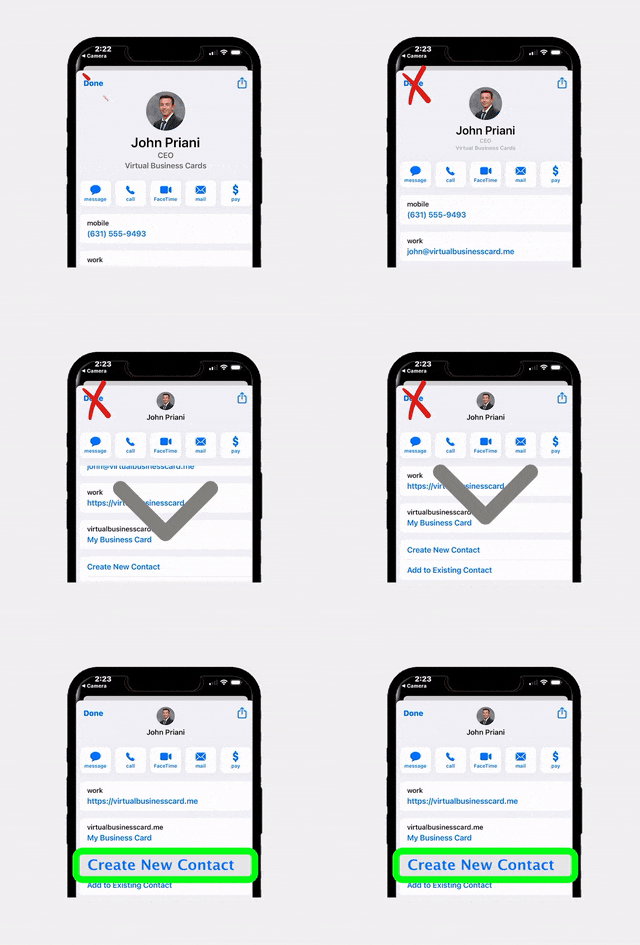
Give your clients the tools they need to refer you easily. A digital business card from RealConnect is perfect for this purpose. Your past clients can share your contact information, reviews, and listings with a single tap on their phone, eliminating the friction that often prevents referrals from happening. When someone mentions they are thinking about buying or selling, your client can instantly share your profile without needing to dig for a paper business card.
Create a Referral Reward Program
While you cannot incentivize reviews, you can absolutely thank clients who send you referrals. Consider sending a gift card, a handwritten note, or a small gift when a referred client closes. This positive reinforcement encourages repeat referral behavior. Just make sure any referral rewards comply with your state’s real estate commission guidelines.
Leveraging Technology to Automate Your Follow-Up
Building a post-closing follow-up system is one thing. Running it consistently across dozens or hundreds of past clients is another challenge entirely. This is where technology becomes essential.
CRM Automation
Your CRM should be the backbone of your follow-up system. Set up automated workflows that trigger based on the closing date. For example, your CRM can automatically send the 30-day review request email, the 60-day referral email, and quarterly market updates without you lifting a finger. Popular real estate CRMs like Follow Up Boss, kvCORE, and LionDesk all support this type of automation.
Email Marketing Sequences
Create a dedicated post-closing email sequence that runs for 12 months after every transaction. Each email should provide genuine value, whether it is a home maintenance checklist, a seasonal homeowner tip, or a local market snapshot. At the end of the sequence, transition the client into your general database for ongoing nurture campaigns.
Digital Tools for Lead Capture and Connection
The post-closing relationship actually begins during the transaction itself. When you use tools like EntryPointPro for open house sign-ins, you are already capturing leads and building your database with organized, accurate contact information. That same level of organization and professionalism should carry through to your post-closing communications.
Social Media Touchpoints
Connect with every client on social media after closing. When you like, comment on, or share their posts, you stay top of mind without being intrusive. Social media interactions count as passive touchpoints that complement your more intentional follow-up activities.
Text Messaging Platforms
For quick, informal check-ins, text messaging has an open rate that far exceeds email. Many agents find that a simple “Happy home anniversary! Hope you are loving the place” text gets a warm response and re-opens the conversation.
The 12-Month Post-Closing Touch Plan
Below is a comprehensive month-by-month plan you can adapt and implement right away. The goal is 12 or more meaningful touches in the first year after closing, blending automated and personal outreach.
Month 1: Gratitude and Settling In
- Day 1: Handwritten thank-you card
- Day 3-5: Closing gift delivery
- Day 14: Check-in phone call
- Day 30: Review request email with direct link
Month 2: Value and Connection
- Send a curated list of local service providers (plumber, electrician, landscaper, house cleaner)
- Follow up on the review request if they have not responded
- Connect on social media if you have not already
Month 3: The Referral Ask
- Send a market update for their neighborhood
- Include a soft referral ask at the end of the email
- Share your digital business card so they can easily pass along your info
Month 4-5: Seasonal Touchpoints
- Send a seasonal home maintenance checklist (spring cleaning, winterization, etc.)
- Engage with their social media posts
Month 6: The Half-Year Check-In
- Personal phone call or video message
- Ask how they are enjoying the home and the neighborhood
- Mention any notable market changes in their area
Month 7-8: Community Connection
- Invite them to a client appreciation event
- Share local community events, restaurant recommendations, or neighborhood news
Month 9: The Second Referral Touch
- Send a client success story or testimonial spotlight email
- Reiterate that your business thrives on referrals
- Include a specific, easy call to action
Month 10-11: Continued Value
- Share a home equity update or property value estimate
- Provide tax-related homeownership tips as appropriate
Month 12: The Home Anniversary
- Send a home anniversary card, ideally handwritten
- Include a small gift like a gift card or seasonal treat
- Provide an updated market analysis of their neighborhood
- Transition them to your long-term past client nurture campaign
Measuring Success and Refining Your System
Like any business system, your post-closing follow-up process should be measured and improved over time. Here are the key metrics to track.
Review Conversion Rate
Track how many closed clients actually leave you a review. A healthy benchmark is 40-60%. If your rate is below 30%, revisit your timing, messaging, and the number of follow-up attempts. Consider whether you are making it easy enough by providing a direct link in every request.
Referral Rate
Calculate the percentage of past clients who send you at least one referral within 12 months. Top-performing agents typically see referral rates of 15-25%. If yours is lower, you may need to ask more directly, provide better tools for sharing, or increase your touchpoint frequency.
Repeat Business Rate
Track how many past clients return to you for their next transaction. While real estate transactions are infrequent for most consumers, you should see a meaningful percentage of past clients coming back over a 5-7 year window. Cross-reference this with your follow-up consistency to identify correlations.
Email Engagement Metrics
Monitor open rates, click-through rates, and unsubscribe rates for your post-closing email sequences. If open rates drop below 20%, your subject lines or sending frequency may need adjustment. If unsubscribe rates spike, you are likely sending too often or not providing enough value.
Response Rates on Personal Outreach
Keep informal notes on how many of your phone calls and texts get a response. If clients are not picking up or responding, try different times of day, different channels, or shorter, more casual messages.
Review these metrics quarterly and make adjustments. The agents who build the most successful referral businesses are the ones who treat their follow-up system as a living process that evolves based on data and feedback.
Industry research from the National Association of Realtors consistently shows that agents who maintain regular contact with past clients earn significantly more in annual commission income. The investment in building and maintaining your post-closing follow-up system pays dividends for years to come.
Frequently Asked Questions
How soon after closing should I ask for a review?
The optimal time to request a review is about 14 to 30 days after closing. At the two-week mark, make a check-in call and casually mention that you would appreciate an online review. Then follow up with a formal email request at the 30-day mark that includes a direct link to your Google Business Profile or preferred review platform. This gives clients time to settle in and reflect positively on the experience without feeling rushed.
What should I include in my post-closing follow-up emails?
Every email in your post-closing sequence should provide genuine value. Good content includes seasonal home maintenance checklists, local market updates, vendor recommendations, home equity estimates, community event roundups, and homeownership tax tips. Avoid making every email about asking for something. The best ratio is roughly four value-driven emails for every one that includes a referral or review ask.
How many times should I follow up before giving up on a review request?
Send a maximum of three review requests spread over 60 days. Start with a casual mention during your two-week phone call, send a formal email at day 30, and follow up with a brief text message around day 45 if they still have not responded. After three attempts, move on gracefully. Some clients simply will not leave reviews, and pushing too hard can damage the relationship.
What is the best closing gift to give a client?
The best closing gifts are personalized and thoughtful. Popular options include gift cards to local restaurants near their new home, smart home devices like a video doorbell or smart speaker, a custom cutting board or doormat, or a curated gift basket featuring local products. Avoid generic gifts like wine unless you know the client’s preferences. The ideal budget is $50 to $150 depending on the transaction value.
How do I maintain relationships with past clients after the first year?
After completing your 12-month post-closing sequence, transition clients into a long-term nurture campaign. This typically includes monthly or quarterly email newsletters with market updates, an annual home anniversary card, holiday greetings, and invitations to client appreciation events. Aim for 6 to 10 touches per year to stay top of mind without overwhelming your past clients. Consistently engaging with their social media content is another low-effort, high-impact strategy.
Build Stronger Client Relationships with RLTRsync
From capturing leads at open houses with EntryPointPro to sharing your contact info effortlessly with RealConnect digital business cards, RLTRsync gives you the tools to stay connected with clients from first meeting to long after closing.




 Icon On The Top Right Is the Menu For Your Card. This Is Where You can edit your card and log into your dashboard.