Most agents walk into an open house focused entirely on finding a buyer for the property on display. But seasoned professionals know that every open house is also a prime opportunity to secure your next open house listing appointment. The visitors walking through that front door are not just potential buyers. Many of them are homeowners exploring the market, curious neighbors evaluating their own home’s value, and future sellers quietly gathering intelligence. If you know what to look for and what to ask, you can transform a single Sunday afternoon into a pipeline of listing opportunities that fuel your business for months.
Why Open Houses Are Goldmines for Listing Leads
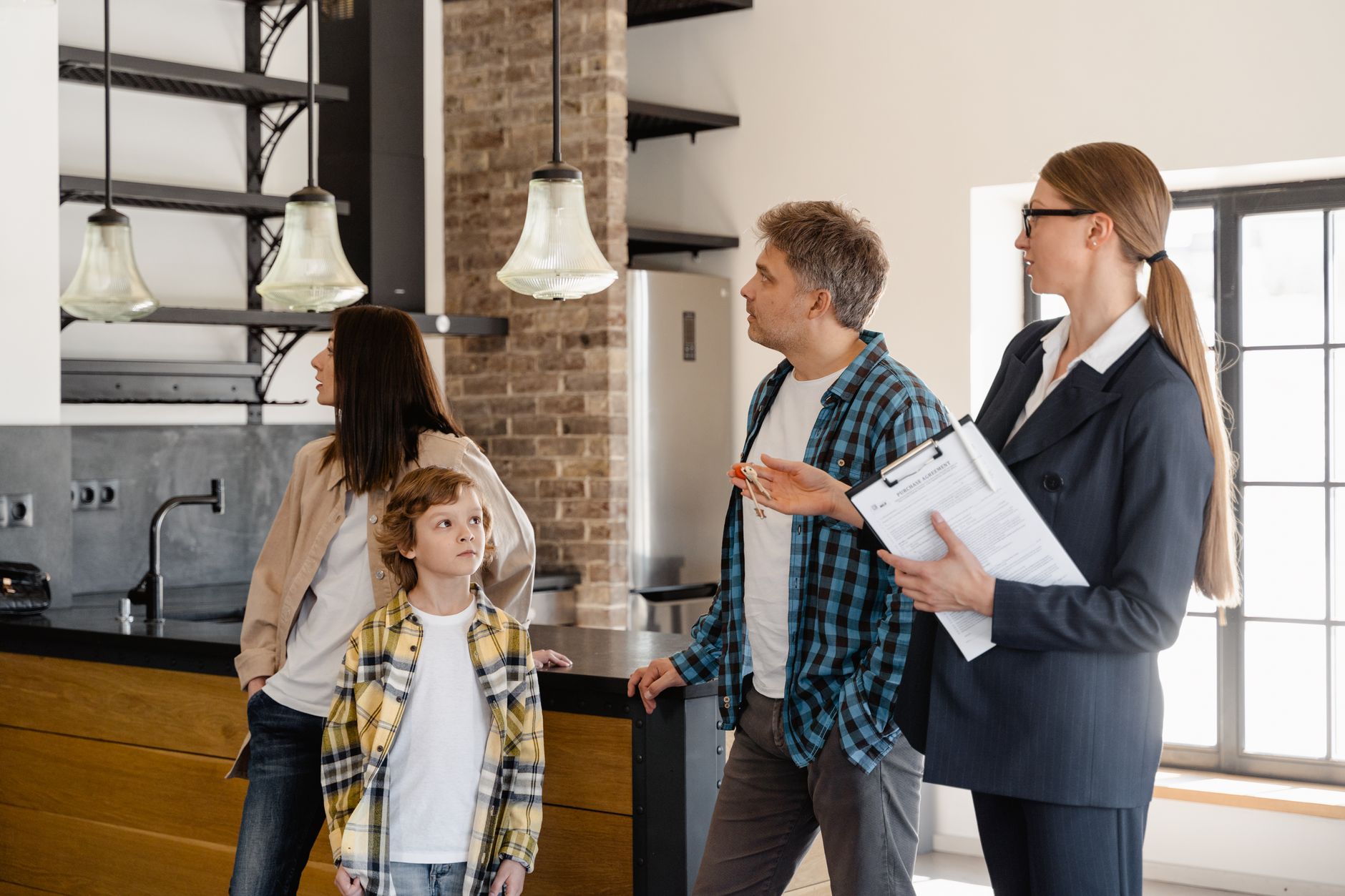
According to the National Association of Realtors’ Profile of Home Buyers and Sellers, a significant percentage of buyers visit open houses during their home search. But here is the part most agents overlook: many of the people who attend open houses are not actively looking to buy. They are homeowners who live in the neighborhood and want to see how a comparable property is priced, staged, and presented. These “nosy neighbors” are actually some of the warmest seller leads you will ever encounter.
Think about it from their perspective. A neighbor who takes time out of their weekend to tour a home for sale is already thinking about real estate. They may be wondering what their own home is worth, considering whether now is the right time to sell, or simply sizing up the competition before listing. Each of these motivations creates an opening for a savvy agent to start a meaningful conversation.
Open houses also attract people in transition. Divorcing couples, empty nesters, growing families, and relocating professionals all attend open houses as a way to casually explore their options before committing to a formal process. When you recognize these signals and respond with genuine helpfulness rather than a hard pitch, you position yourself as the trusted advisor they will call when they are ready to sell.
How to Identify Potential Sellers in the Crowd
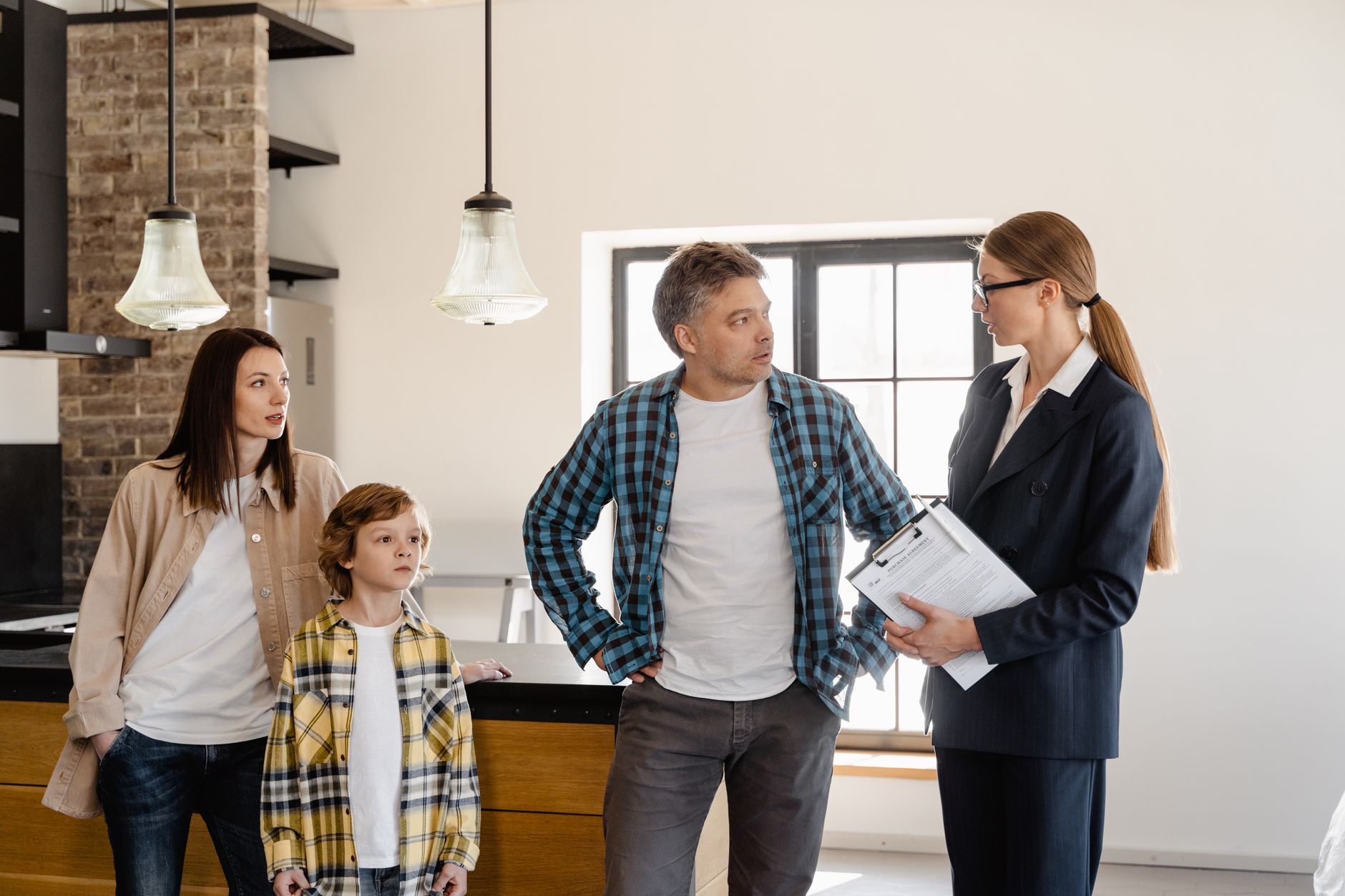
Not every visitor will announce their intentions. You need to become a student of body language, conversation cues, and behavioral patterns to identify the hidden sellers in your crowd. Here are the telltale signs to watch for.
The Neighborhood Expert
This visitor knows every detail about the area. They comment on how the street has changed, mention that the previous owners renovated the kitchen, or note that the house down the block sold for a certain price. This person almost certainly lives nearby, and their deep knowledge of the local market suggests they are paying close attention to property values for a reason.
The Critical Evaluator
Some visitors spend more time critiquing the home than admiring it. They compare finishes unfavorably to their own, point out what they would have done differently, or note that their home has a bigger yard. This comparative mindset is a strong signal that they are mentally benchmarking the listed property against their own home, which means selling is already on their radar.
The Question Asker
Pay close attention to visitors who ask questions that go beyond the property itself. Questions like “How long do homes in this neighborhood usually take to sell?” or “What do you think the market will do this year?” indicate someone thinking about selling. Buyers tend to ask about the specific home. Sellers ask about the market.
The Couples Having a Side Conversation
Watch for pairs who step aside to whisper or have private discussions in the corner. They might be debating whether their home could fetch a similar price, discussing timing, or weighing whether to make a move. Give them space, but make yourself available when they are ready to talk.
Conversation Starters That Reveal Seller Intent
Identifying potential sellers is only the first step. You need a natural, non-pushy way to confirm their intent and open the door to a deeper conversation. The best agents use carefully crafted questions that feel conversational but are strategically designed to surface selling motivation.
For Neighbors
When you suspect someone lives in the area, try opening with: “Do you live in the neighborhood? I would love to hear your perspective on what makes this area special.” This validates their expertise and makes them feel valued. Once they confirm they are local, follow up with: “Have you ever thought about what your home might be worth in this market? Values have been moving quite a bit lately.”
For Curious Browsers
For visitors who seem to be casually exploring rather than seriously shopping, try: “What brings you out to open houses today?” This open-ended question lets them reveal their motivations without feeling interrogated. Many will voluntarily share that they are “just thinking about it” or “trying to figure out timing,” both of which are invitations to continue the conversation.
For Evaluators and Comparers
When someone is clearly comparing the listed property to their own home, lean into it: “It sounds like you have a great home yourself. Have you considered testing the market to see what kind of interest you might get?” The phrase “testing the market” feels low-pressure and exploratory, which reduces resistance.
The CMA Offer
One of the most effective tools in your arsenal is the complimentary comparative market analysis. When the conversation reveals potential seller intent, offer it naturally: “I would be happy to put together a quick market analysis for your home, no strings attached. A lot of homeowners find it helpful just to know where they stand.” According to Inman News, providing value-first offers like free CMAs is consistently one of the highest-converting lead generation tactics in real estate.
Sign-In Systems That Capture Seller Data
Your open house sign-in process is one of the most critical touchpoints for identifying and capturing seller leads. Unfortunately, most agents still rely on paper sign-in sheets that collect a name, phone number, and email address and nothing more. This is a massive missed opportunity.
A modern digital sign-in platform like EntryPointPro allows you to customize your sign-in questions to identify sellers right from the start. Instead of just collecting contact information, you can include questions like:
- “Do you currently own a home?”
- “Are you considering selling in the next 12 months?”
- “Would you like a free home valuation for your property?”
- “How did you hear about this open house?”
These questions serve a dual purpose. First, they give you immediate intelligence about who in the crowd is a potential seller. Second, they create a natural reason to follow up with a personalized, relevant conversation rather than a generic email blast.
Digital sign-in tools also offer practical advantages over paper sheets. Visitors are more likely to provide accurate information on a tablet or their own phone than on a clipboard. The data flows directly into your CRM, eliminating manual entry errors and ensuring no lead falls through the cracks. And with QR code check-in options, visitors can complete the process on their own device, which feels more private and often yields more honest answers to sensitive questions about selling timelines.
Follow-Up Strategies That Convert Sellers
Capturing a potential seller’s information at an open house is only half the battle. The real magic happens in your follow-up. Studies from the National Association of Realtors consistently show that speed and personalization are the two biggest factors in lead conversion. Here is how to build a follow-up system that turns open house contacts into an open house listing appointment.
The Same-Day Personal Touch
Within two hours of the open house ending, send a personalized text or email to every visitor who showed seller signals. Reference something specific from your conversation: “Hi Sarah, it was great chatting with you today about the kitchen renovations in your home on Oak Street. I would love to put together that market analysis we discussed. When would be a good time to connect?” This personal touch separates you from every other agent sending templated follow-ups.
The 48-Hour Value Drop
Two days after the open house, send your identified seller leads something of genuine value. This could be a neighborhood market report, a list of recent comparable sales, or an article about preparing a home for sale. The goal is to demonstrate expertise and keep the conversation going without being pushy.
The One-Week Check-In
A week after the open house, make a phone call. Yes, an actual phone call. Many agents avoid the phone, which means the agents who do call stand out. Keep it brief and helpful: “I just wanted to follow up on the market analysis I sent over. Did you have any questions about the numbers? I would love to walk you through them over coffee.”
The Long-Term Nurture
Not every potential seller is ready to list immediately. For longer-term prospects, add them to a monthly market update email that keeps you top of mind. Share relevant market data, seasonal tips, and insights that reinforce your expertise. When they are ready to sell, whether that is three months or three years from now, you want to be the first agent they think of.
Creating a Seller-Focused Open House Experience
Most agents design their open house experience entirely for buyers. But with a few strategic adjustments, you can create an environment that also appeals to potential sellers and naturally surfaces listing opportunities.
Display Your Listing Success
Set up a small display or digital slideshow near the entrance showcasing your recent sales in the area. Include sold prices, days on market, and before-and-after staging photos. Neighbors and potential sellers will be drawn to this information, and it positions you as the local market expert. Having your RealConnect digital business card available makes it easy for interested visitors to save your contact information and portfolio directly to their phone.
Offer Neighborhood Market Reports
Print a small stack of one-page market reports specific to the neighborhood. Include average sale prices, price trends, inventory levels, and days on market. Place them on the kitchen counter with a sign that says “Curious what your home is worth? Take one.” This simple tactic is a magnet for potential sellers and gives them a tangible reason to contact you later.
Create a Conversation Zone
Designate a comfortable area, perhaps the dining room table or a sitting area, where you can have slightly more private conversations. When you identify a potential seller, gently guide the conversation to this space. Having a dedicated spot makes the transition from casual chat to listing discussion feel natural and unhurried.
Partner With Local Businesses
Invite a local lender, home inspector, or stager to co-host the open house. Their presence adds value for all visitors and gives potential sellers access to the professionals they will need during the listing process. This team approach also signals that you run a serious, full-service operation, which builds confidence in your ability to handle their sale.
Common Mistakes That Cost You Listing Appointments
Even experienced agents make errors that sabotage their ability to convert open house visitors into listing clients. Here are the most common mistakes to avoid.
Treating Every Visitor as a Buyer
The biggest mistake is assuming everyone who walks through the door wants to buy the home they are touring. This narrow focus causes you to miss the seller signals that are right in front of you. Train yourself to approach every conversation with an open mind about the visitor’s true motivations.
Using a Paper Sign-In Sheet
Paper sign-in sheets are easy to fake, hard to read, and impossible to segment. Visitors often skip fields, write illegible phone numbers, or provide incomplete information. Worse, you cannot ask qualifying questions on a paper sheet without making it feel like a survey. Digital sign-in tools solve all of these problems and give you actionable data from the moment a visitor checks in.
Failing to Follow Up Quickly
According to HousingWire, the average agent takes over 24 hours to follow up with open house leads. By that time, your visitors have attended other open houses, talked to other agents, and moved on. Speed is everything. Set a personal rule to complete all follow-up outreach within two hours of closing the open house.
Being Too Salesy Too Soon
Nothing kills a potential listing relationship faster than jumping straight into a sales pitch. A neighbor mentions they might sell someday, and the agent immediately launches into their commission structure, marketing plan, and listing presentation. Slow down. The goal at the open house is to start a relationship and secure the next conversation, not to close the deal on the spot.
Not Tracking Your Results
If you are not tracking how many open house visitors become listing leads and how many of those leads convert to actual listing appointments, you are flying blind. Create a simple spreadsheet or use your CRM to monitor these numbers. Over time, you will identify which strategies, questions, and follow-up sequences produce the best results, and you can double down on what works.
Frequently Asked Questions
What percentage of open house visitors are potential sellers?
Industry estimates suggest that 20 to 40 percent of open house visitors are neighbors or homeowners who are not actively looking to buy. Many of these visitors are evaluating the market as potential future sellers. By asking the right sign-in questions and having strategic conversations, you can identify these individuals and begin building a relationship that leads to a listing appointment.
How do I bring up selling without being pushy at an open house?
The best approach is to lead with value and curiosity rather than a pitch. Ask open-ended questions like “What brings you out to open houses today?” or “Have you ever wondered what your home might be worth in this market?” Then offer something helpful, like a free comparative market analysis. This positions you as a resource rather than a salesperson and makes the transition to a listing conversation feel natural.
What questions should I include on my open house sign-in form to identify sellers?
In addition to standard contact fields, include questions like “Do you currently own a home?” and “Are you considering selling in the next 12 months?” and “Would you like a complimentary home valuation?” Digital platforms like EntryPointPro let you customize these questions and automatically segment your leads based on their responses, saving you time and improving your follow-up effectiveness.
How quickly should I follow up with potential sellers from an open house?
You should follow up within two hours of the open house ending. Speed is one of the strongest predictors of lead conversion. Send a personalized text or email referencing your specific conversation, and offer a clear next step like scheduling a CMA review or a coffee meeting. The faster and more personal your outreach, the more likely you are to secure that open house listing appointment.
Can digital sign-in tools really improve my listing lead capture?
Absolutely. Digital sign-in platforms collect more accurate and complete information than paper sheets, allow you to ask qualifying questions, and automatically sync data with your CRM. They also make it easy to segment visitors into buyers and potential sellers so you can tailor your follow-up accordingly. The result is a more efficient lead capture process that consistently identifies more listing opportunities from every open house you hold.
Turn Your Next Open House Into a Listing Machine
Start capturing seller leads at every open house with smart digital sign-in forms, automated follow-up, and lead segmentation that identifies your next listing appointment before visitors even leave the property.


 Icon On The Top Right Is the Menu For Your Card. This Is Where You can edit your card and log into your dashboard.