A memorable open house experience can be the single most powerful tool in your client acquisition strategy. While most agents treat open houses as a simple showing, the top performers understand that every detail, from the sign-in process to the post-event follow-up, is an opportunity to demonstrate professionalism and win new business. In this guide, you will learn exactly how to design an open house experience that leaves a lasting impression and makes buyers eager to work with you.
Why Your Open House Experience Matters More Than the Listing Itself
Many agents fall into the trap of believing that the property sells itself. While curb appeal and square footage certainly matter, buyers attend open houses to evaluate more than the home. They are evaluating you. According to the National Association of Realtors (NAR), nearly half of all buyers who attend open houses do not yet have an agent. That means every visitor is a potential long-term client, not just a prospect for the listed property.
The way you present the home, interact with visitors, handle questions, and follow up afterward forms a complete picture of your professionalism. Buyers notice everything: whether the property information is organized, whether you are prepared with answers about the neighborhood, and whether the check-in process feels modern or outdated. A polished open house experience signals competence and attention to detail, two qualities every buyer wants in their agent.
Think of your open house as an audition. You are not just marketing the seller’s home. You are marketing yourself and your ability to guide buyers through one of the biggest financial decisions of their lives. When you elevate the experience beyond a basic walkthrough, you stand out from the dozens of other agents those buyers have encountered.
Pre-Event Preparation That Impresses Before Guests Arrive
Exceptional open houses are won or lost in the days before the event. Your preparation sets the foundation for everything visitors will experience when they walk through the door.
Research the Property and Neighborhood
Go beyond the basic listing details. Prepare a comprehensive property brief that includes recent comparable sales, school district ratings, walkability scores, commute times to major employers, and planned developments in the area. Buyers are impressed when you can answer detailed questions without hesitation. Resources like the Realtor.com Research Center provide valuable market data you can reference during conversations.
Prepare Professional Materials
Create a well-designed property flyer that goes beyond MLS data. Include high-quality photos, a floor plan if available, a neighborhood map highlighting nearby amenities, and your contact information. Consider adding a QR code that links to a virtual tour or additional listing details. Having these materials ready shows buyers that you take your work seriously.
Stage the Space Strategically
If the home is vacant, consider light staging in key rooms. If it is occupied, work with the sellers to declutter and depersonalize. Fresh flowers, a clean scent (nothing overpowering), and natural lighting make a significant difference. Set the thermostat to a comfortable temperature and turn on all lights. Small touches like setting the dining table or placing a throw blanket on the couch help buyers visualize themselves living in the space.
Promote the Event Across Multiple Channels
Your promotion strategy should extend well beyond the MLS listing. Share the open house on your social media profiles, send targeted email invitations to your database, and post in local community groups where appropriate. Use Instagram Stories and Reels to give a sneak peek of the property. The more visitors you attract, the more opportunities you have to connect with unrepresented buyers.
Creating a Welcoming First Impression at the Door
You never get a second chance at a first impression, and in real estate, those first 30 seconds set the tone for everything that follows. Your greeting, your appearance, and your sign-in process all contribute to the buyer’s initial perception of you.
Greet Every Visitor Personally
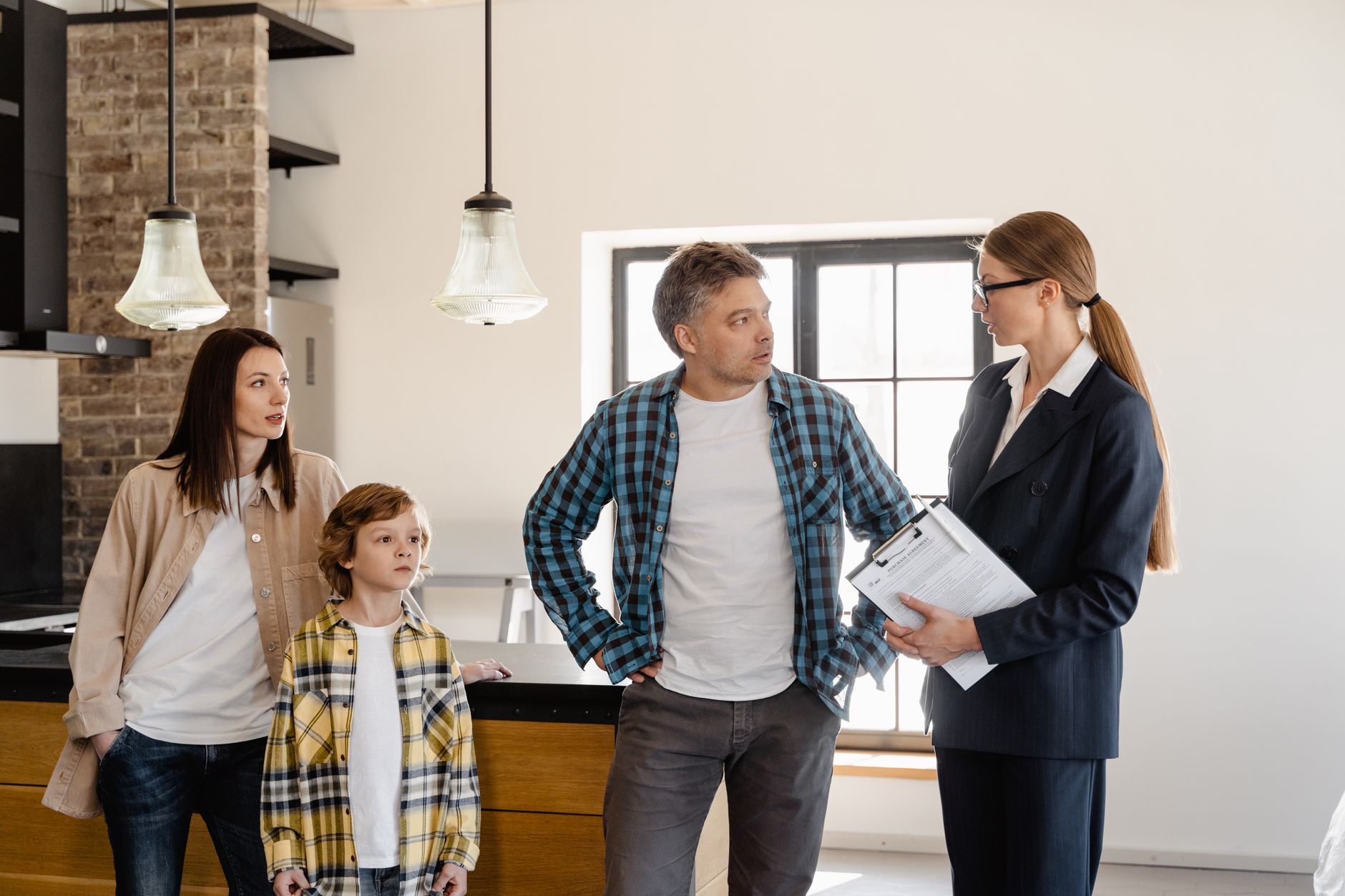
Stand near the entrance and greet each visitor with a warm, genuine welcome. Introduce yourself by name, briefly explain what they can expect during their visit, and let them know you are available for questions. Avoid hovering or following buyers from room to room, but make it clear that you are accessible. A simple “Take your time exploring, and I will be right here if anything catches your eye” strikes the perfect balance between attentive and relaxed.
Modernize Your Sign-In Process
The sign-in sheet is often the first interaction a buyer has with your systems, and a crumpled clipboard with a pen on a chain does not inspire confidence. Modern buyers expect a streamlined, digital experience. A platform like EntryPointPro lets visitors check in using a QR code on their phone, eliminating the awkwardness of scribbling personal information on a paper sheet where everyone can see it. Digital sign-in also captures accurate contact information, handles compliance documents automatically, and ensures you never lose a lead to illegible handwriting.
When visitors see a professional digital check-in system, it immediately elevates their perception of you. It tells them you are tech-savvy, organized, and respectful of their time and privacy.
Set Up an Information Station
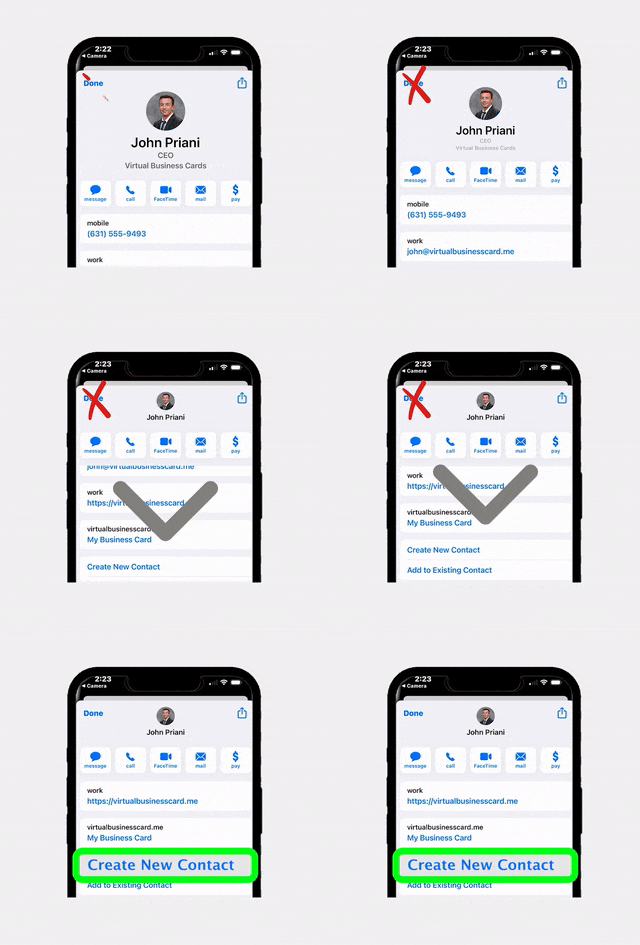
Designate a table or counter near the entrance as your information hub. Display your property flyers, neighborhood guides, your business card, and any disclosure documents. If you use RealConnect digital business cards, this is the perfect opportunity to share your contact details with a simple tap or scan. Buyers appreciate being able to save your information instantly to their phones rather than fumbling with a paper card they will likely misplace.
Designing an Interactive Walkthrough That Engages Buyers
The best open houses do not feel like passive tours. They feel like curated experiences where buyers can explore, learn, and envision their future. Here is how to design a walkthrough that actively engages visitors.
Create a Self-Guided Flow
Place small, tasteful information cards in each room highlighting key features. For example, a card in the kitchen might note the brand and age of the appliances, recent upgrades, or the custom cabinetry. In the backyard, a card could mention the mature landscaping, lot dimensions, or proximity to parks. These cards give buyers detailed information without requiring them to ask or interrupt their own exploration.
Highlight Lifestyle, Not Just Features
Buyers do not purchase square footage. They purchase a lifestyle. Instead of simply pointing out that the basement is finished, mention how it could serve as a home theater, a playroom for kids, or a remote office. Instead of noting the large backyard, describe weekend barbecues, space for a garden, or room for a future pool. Helping buyers connect emotionally with the space is far more powerful than reciting specifications.
Encourage Questions with Conversation Starters
Place a small sign near the entrance that says something like, “Curious about the neighborhood? Ask me about the best restaurants, schools, and parks nearby.” This gives buyers a low-pressure reason to start a conversation and positions you as a local expert rather than just a salesperson.
Offer Refreshments Thoughtfully
A simple refreshment station with water, coffee, and a light snack creates a hospitable atmosphere. It also gives visitors a natural reason to pause, linger, and chat. Keep it simple and clean. You do not need a full catering spread, just enough to show you care about their comfort.
Using Technology to Elevate Your Open House Experience
Technology is no longer optional in real estate. The agents who embrace it create smoother, more professional experiences that buyers remember. Here are the most impactful tools to incorporate.
Digital Sign-In and Lead Capture
As mentioned earlier, replacing paper sign-in sheets with a digital check-in platform like EntryPointPro transforms your lead capture process. You get accurate contact information, automated follow-up triggers, and compliance documentation handled in the background. Visitors appreciate the speed and privacy, and you eliminate the risk of losing leads to messy handwriting or incomplete entries.
Virtual Tour Integration
Have a tablet available showing a virtual tour or 3D walkthrough of the property. This is especially useful for buyers who might want to revisit certain rooms without walking back through, or for visitors who want to share the listing with a partner who could not attend. You can also provide a QR code that links to the virtual tour so buyers can access it from their own devices later.
Digital Business Cards for Instant Connection
Paper business cards get lost, damaged, or forgotten. A digital business card solution like RealConnect allows you to share your full contact profile, social media links, and website with a single tap or scan. When a buyer can instantly save your information to their phone, the barrier to reaching out later drops dramatically.
Market Data on Demand
Keep a tablet loaded with current market data, including recent comparable sales, median prices for the neighborhood, days on market trends, and mortgage rate updates. When a buyer asks, “How is the market right now?” you can show them real data instead of offering a vague response. This positions you as an informed, data-driven professional.
Follow-Up Strategies That Convert Visitors into Clients
The open house itself is only half the equation. What you do in the hours and days after the event determines whether visitors become clients or forget about you entirely. According to research from Inman News, the speed of your follow-up is one of the strongest predictors of conversion.
Follow Up Within Two Hours
The golden rule of open house follow-up is speed. Send a personalized text or email within two hours of the event while the experience is still fresh in the buyer’s mind. Reference something specific from your conversation, such as, “It was great meeting you, Sarah. I hope you loved the kitchen renovation as much as I do. Let me know if you would like to see similar homes in the area.”
Segment Your Leads
Not every open house visitor is at the same stage of their buying journey. Some are actively searching, some are just getting started, and some are neighbors who stopped by out of curiosity. Segment your leads and tailor your follow-up accordingly. Active buyers should receive comparable listings and an invitation for a buyer consultation. Early-stage buyers should be added to a nurture campaign with helpful market updates. Neighbors can receive a thank-you note and a gentle reminder that you serve the area.
Provide Value in Every Touchpoint
Every follow-up message should offer something useful. Share a link to the listing, a neighborhood guide, a mortgage calculator, or a market update. Avoid generic “just checking in” messages that provide no value. The goal is to stay top-of-mind by consistently being helpful.
Schedule a Buyer Consultation
For serious leads, your ultimate goal is to schedule a one-on-one buyer consultation. Frame this as a benefit to them: “I would love to sit down for 20 minutes and learn exactly what you are looking for so I can send you listings that match perfectly. No pressure, just a chance to save you time.” When your open house experience has already demonstrated your professionalism, this invitation feels natural rather than pushy.
Common Mistakes That Ruin the Open House Experience
Even experienced agents sometimes fall into habits that undermine their open houses. Here are the most common mistakes to avoid.
Being Unprepared for Questions
If a buyer asks about property taxes, HOA fees, school boundaries, or recent repairs and you cannot answer, it damages your credibility instantly. Prepare a fact sheet with every detail a buyer might ask about and review it before the event.
Ignoring Visitors After They Sign In
Some agents get so focused on one conversation that they ignore new arrivals. Make a point to acknowledge every visitor, even if it is just a brief wave and a “Welcome, I will be with you in just a moment.” No one likes feeling invisible.
Using Outdated Sign-In Methods
Paper sign-in sheets not only look unprofessional but also create data accuracy problems. Illegible handwriting, fake phone numbers, and missing email addresses mean lost leads. Switching to a digital sign-in system solves all of these problems while elevating your professional image.
Failing to Follow Up
This is the single biggest missed opportunity in real estate. If you collect 20 contacts at an open house and do not follow up promptly, you have wasted your time and the seller’s. Have your follow-up templates ready before the event so you can execute immediately afterward.
Making It All About You
Your open house should be about the buyer’s needs, not your sales pitch. Resist the urge to dominate conversations with your credentials. Instead, ask thoughtful questions, listen actively, and demonstrate your expertise through your preparation and knowledge. Buyers choose agents who make them feel heard, not agents who talk the most.
Frequently Asked Questions
How long should an open house last?
Most successful open houses run between two and three hours. This gives enough time for a steady flow of visitors without keeping the event so long that energy drops. Weekend afternoons, typically from 1 PM to 4 PM, tend to attract the highest attendance. Consider your local market norms and adjust timing accordingly.
What is the best way to capture leads at an open house?
The most effective method is a digital sign-in platform that captures accurate contact information and handles compliance documents automatically. Tools like EntryPointPro use QR code check-in to make the process fast and professional. This approach is more reliable than paper sign-in sheets and gives you clean data for immediate follow-up.
How do I handle visitors who do not want to sign in?
Respect their preference, but explain the purpose. You might say, “We ask everyone to sign in for the homeowner’s security and so I can send you any updates about the property. Your information stays private with me.” If they still decline, hand them your business card or digital contact link and invite them to reach out if they have questions.
Should I host open houses for listings that are not my own?
Absolutely. Hosting open houses for other agents’ listings, with their permission, is one of the best strategies for newer agents to build their buyer pipeline. The property gives you a reason to connect with unrepresented buyers, and every visitor is a potential client regardless of whether they are interested in that specific home.
How many open houses should I host per month?
Top-producing agents often host two to four open houses per month, though the ideal number depends on your market and goals. Consistency matters more than volume. It is better to host two well-prepared, high-quality open houses than five rushed ones. Track your results to determine the right frequency for your business.
Ready to Transform Your Open Houses?
Create a professional, tech-forward open house experience that captures every lead and impresses every visitor. Explore the tools that help top agents stand out.

 Icon On The Top Right Is the Menu For Your Card. This Is Where You can edit your card and log into your dashboard.